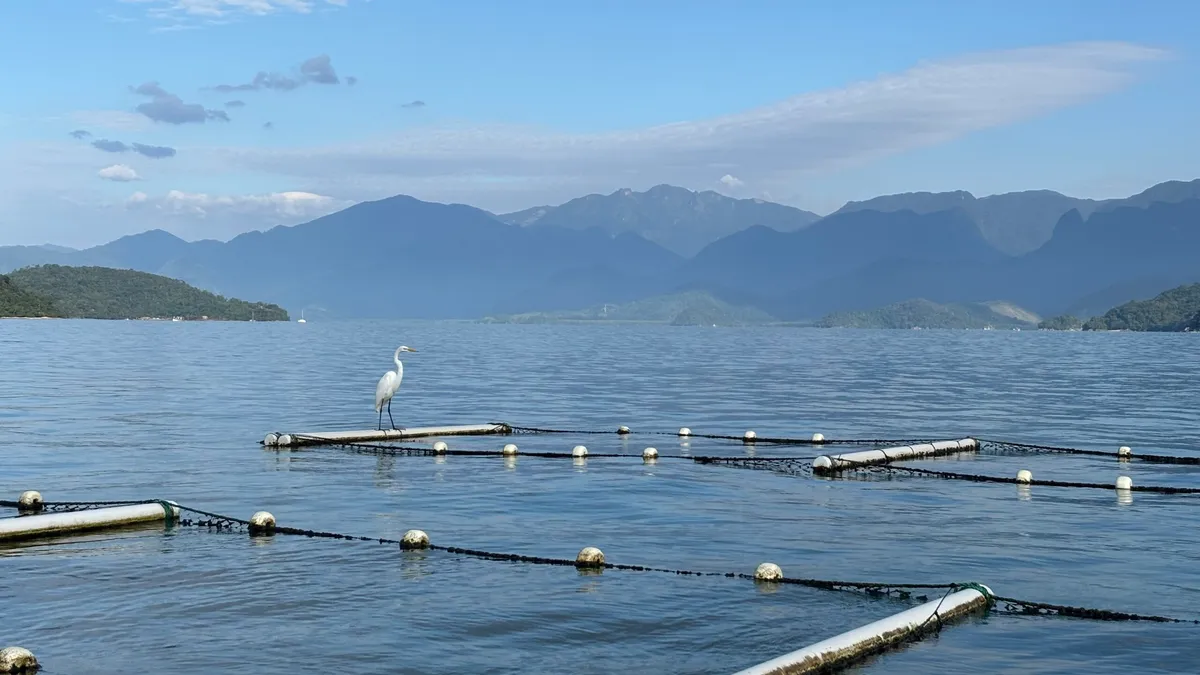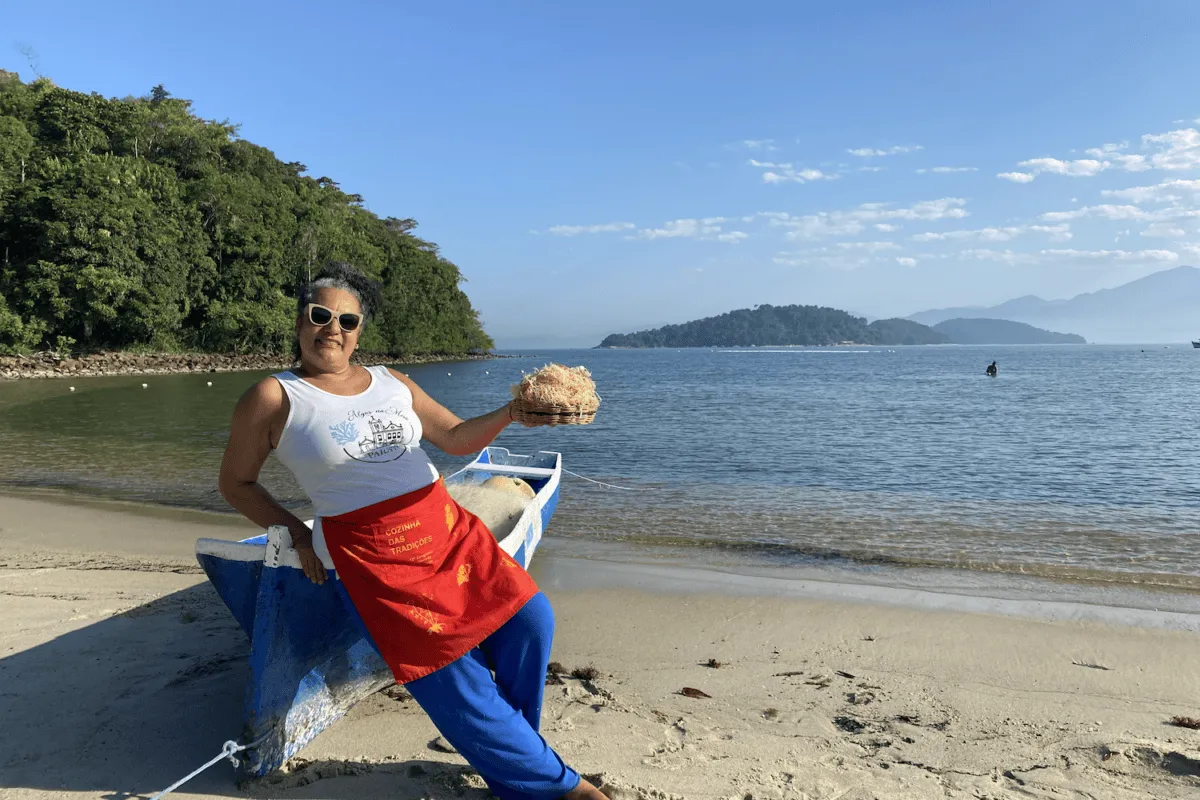
Aparecida Rosa Ayres grew up with seaweed as a playful memory — her mom used it for doll hair on the beach. Today, Ayres, a 47-year-old Caiçara woman, is making it the star of the show at Rancho Ayres, her restaurant on Paraty’s São Gonçalo Beach.
But this isn't just any seaweed. While her mother's playtime involved the native stuff from Ilha Grande Bay, Ayres cooks with Kappaphycus alvarezii, a macroalgae from the Philippines. She first stumbled upon it in 2013, and apparently, it was love at first sight.
Fast forward to 2021, and Ayres took a course from the Federal University of Rio de Janeiro (UFRJ) and the Paraty government. The topic? How seaweed farming could be a shot in the arm for the local economy. This sparked an idea: Algas na Mesa Paraty, a project that blends "seaweed gastronomy" with a mission to revive local history along São Gonçalo and São Gonçalinho beaches.
We're a new kind of news feed.
Regular news is designed to drain you. We're a non-profit built to restore you. Every story we publish is scored for impact, progress, and hope.
Start Your News DetoxAyres sees this whole endeavor as more than just good food; it’s a way to preserve her community's marine territory. Her family belongs to the traditional Caiçara people, who were, rather unceremoniously, displaced from their beachside homes when the Rio-Santos federal road decided to cut through between 1969 and 1975.
Despite the displacement, the Caiçara kept their connection to the beaches, using them for both work and play. It's where families built their "ranchos" — structures supporting marine farming and community tourism. Now, seaweed is helping them write the next chapter.