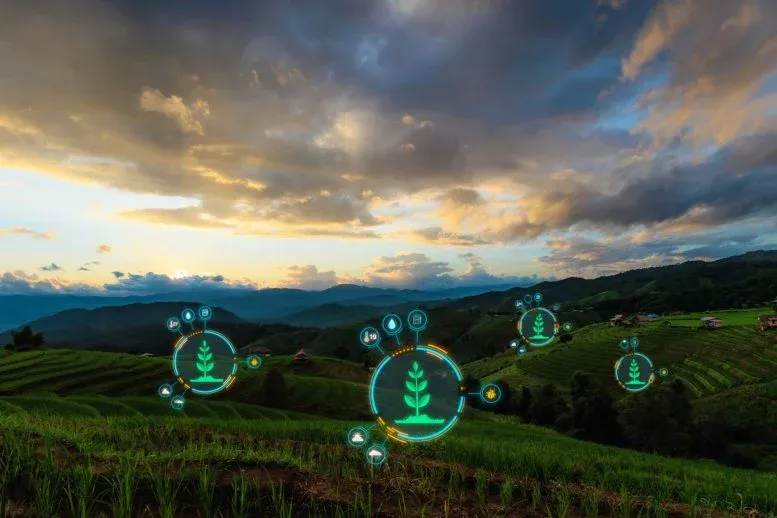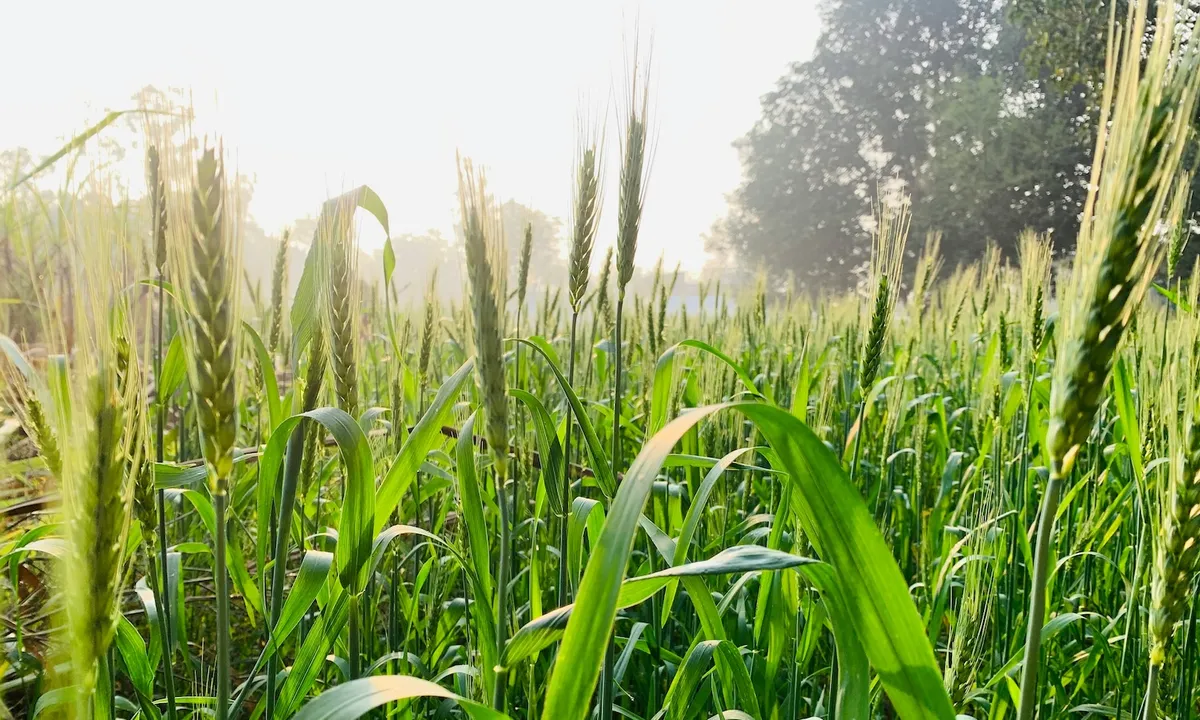
For a hundred years, modern farming has been doing a number on our soil, water, and everything in between. But hey, good news! We don't have to keep digging ourselves into that hole, literally. A new book, ReGen: A New Future for Farming, Food, and Health, is here to explain how 'regenerative farming' can actually turn things around.
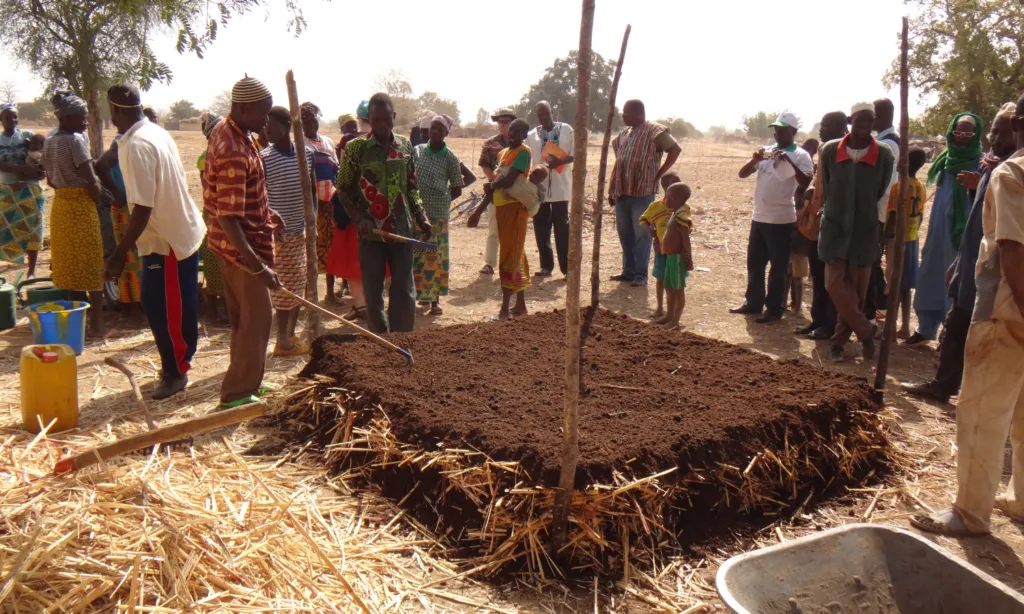
Basically, conventional farming has relied on a one-two punch of physical and chemical soil disturbance. Think tilling the land and then dousing it with synthetic fertilizers once its natural fertility taps out. Regenerative farming? It's the cool older sibling that minimizes or avoids both. Because apparently that's where we are now: rethinking dirt.
After years of digging into soil depletion and regenerative practices globally, it turns out we've been clinging to a few rather stubborn myths about how we feed ourselves. Let's break them down, shall we?
We're a new kind of news feed.
Regular news is designed to drain you. We're a non-profit built to restore you. Every story we publish is scored for impact, progress, and hope.
Start Your News DetoxMyth #1: Environment vs. Food Production
This one argues that you can either save the planet or feed the world, but not both. Which, if you think about it, is a pretty bleak choice. Good thing it's not entirely true.
While some studies suggest conventional crops might eke out a 10-20% lead over organic, older research from the 90s found organic yields were often comparable, sometimes even better. Fast forward to a 2007 global study, which found organic yields only slightly lower in developed nations, but higher in developing countries. It even suggested that organic farming could provide enough nitrogen to replace all synthetic fertilizers globally and still meet demand. Let that satisfying number sink in.
More recent reviews show that with diverse organic crop rotations, that yield gap shrinks to less than 10%. And with just a few years of soil-building, that gap often vanishes entirely. So, no, we don't have to sacrifice healthy soil to fill plates.
Myth #2: Regenerative Farming Can't Scale
Skeptics often wonder if this whole 'regenerative' thing can work beyond a quaint backyard garden. But then you hear about a 20,000-acre farm in South Dakota that's gone regenerative – no-till, cover crops, diverse rotations – and dramatically improved its soil health. The difference? You could see it across a dirt road: one side cracked and barren, the other moist, dark, and mulched. It's like comparing a dusty old rug to a plush velvet carpet.
And while big farms can certainly play a role, small farms are surprisingly efficient at scaling up, too. A 2021 global review found small farms actually produce higher yields and more diverse crops per acre. So, whether it's vast fields of soybeans or intensive vegetable plots, regenerative practices can adapt. The real question isn't if it can scale, but how we adapt it to build soil everywhere.
Myth #3: We Need GM Crops to Feed Everyone
Ah, the classic 'GM crops are our savior' argument. When they first hit the scene, they promised bigger yields and less pesticide. Turns out, not so much.
Take corn yields in Europe (where GM corn is largely a no-go) compared to the U.S. They've increased at roughly the same rate. Which suggests that good old crop breeding, not genetic modification, was the real MVP. This makes you wonder what could happen if organic and regenerative crop breeding got the same research love as conventional and GM systems.
Many successful GM crops are engineered to tolerate glyphosate, which made weed control easier and boosted no-till farming. But it also led to a surge in global herbicide use and unintended changes to soil life. While GM crops could be used for good (drought tolerance, nutrient density), they've mostly enabled products that disrupt soil health. It feels less like an agricultural strategy and more like an agribusiness model.
So, where does this leave us? Beyond the myths, regenerative farming offers a clear path to a future where we build soil, not just deplete it. With a growing global population and a changing climate, business as usual isn't just unsustainable; it's a risk to future generations. We need to support the trillions of tiny organisms in our soil, not fight them. Good thing we have a way to do exactly that.