Imagine a school lunch program that doesn't just feed kids, but also props up local farmers, boosts academic performance, and even helps the planet. Sounds like a lot for a plate of mystery meat and tater tots, right? Well, The Rockefeller Foundation is betting big on exactly that, aiming to connect 100 million children with sustainably grown school meals by 2030.
Betty Kibaara, Director of the Food Initiative for The Rockefeller Foundation, calls it a "super initiative." And for good reason: it’s designed to tackle childhood hunger, support small-scale agriculture, and even restore ecosystems. All, apparently, before the bell rings for algebra.
Not Your Average Cafeteria Food
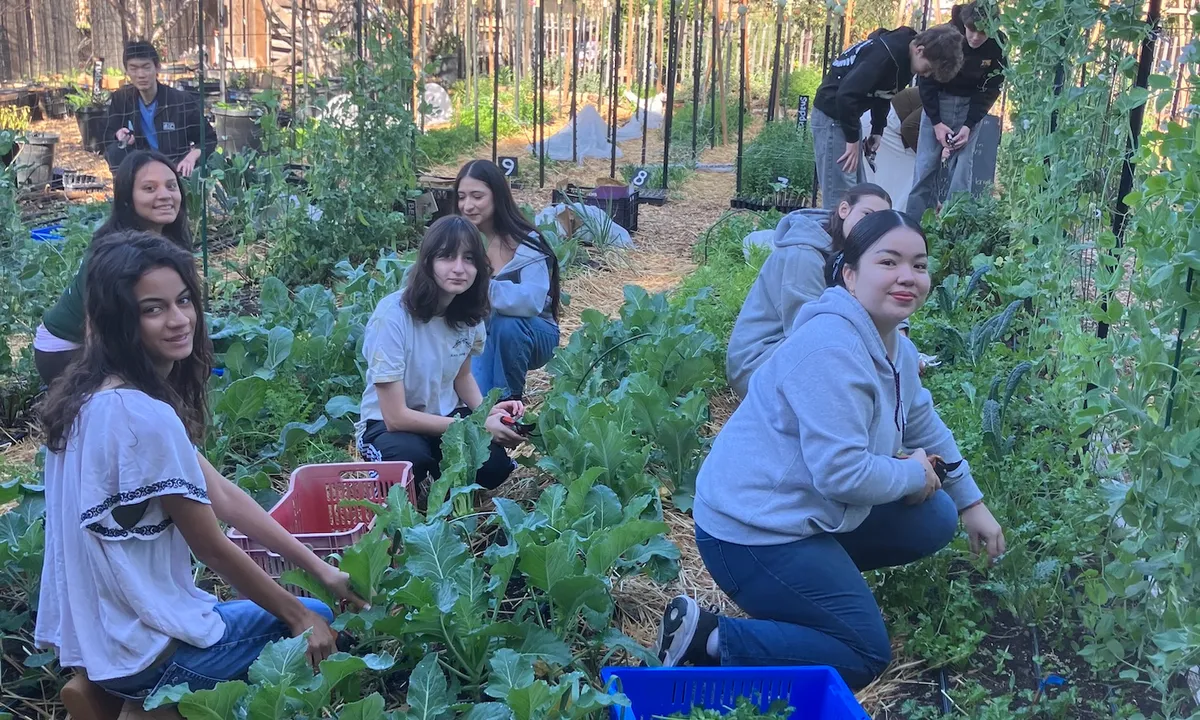
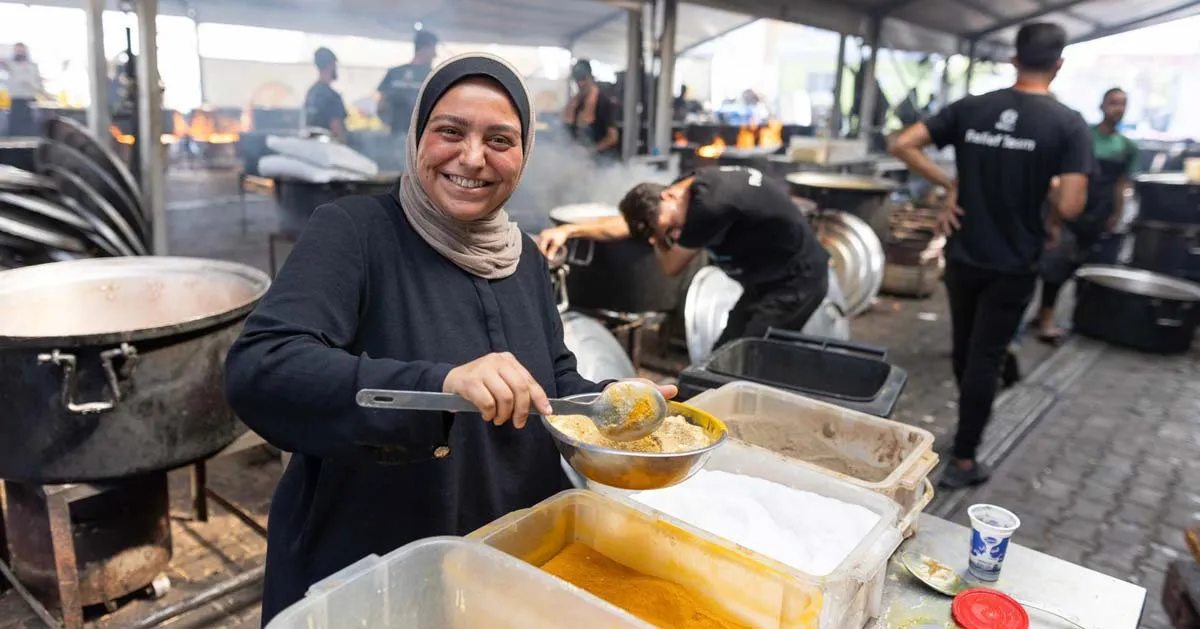
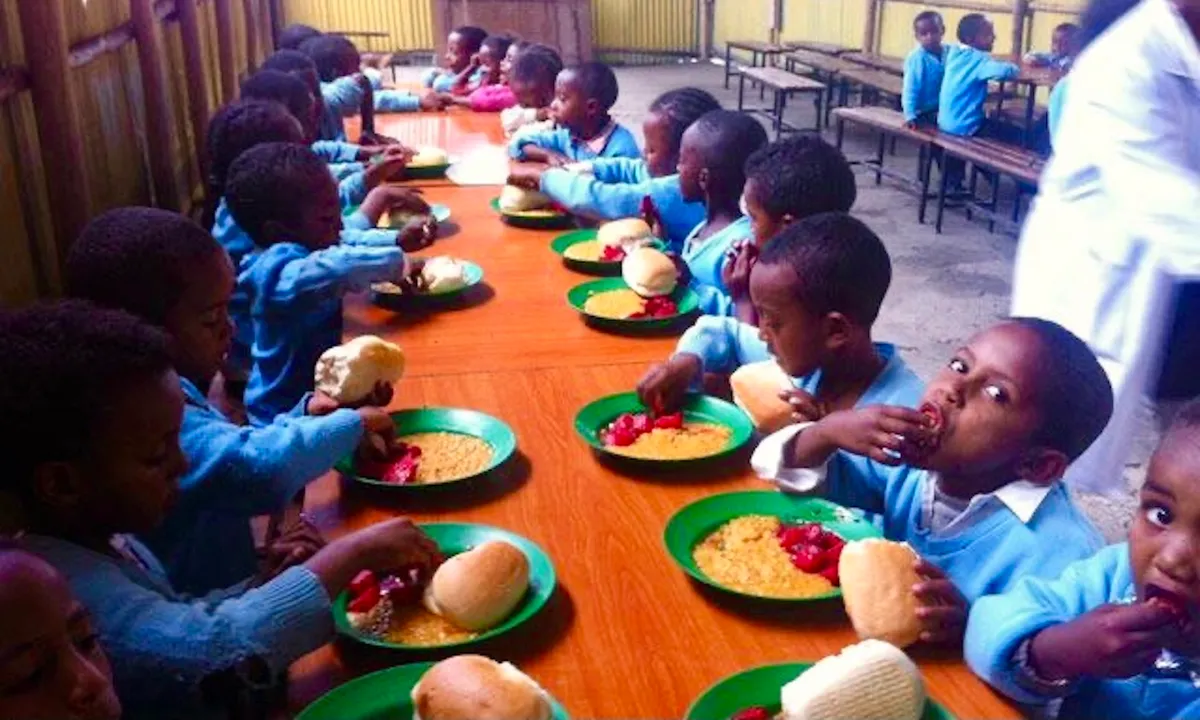
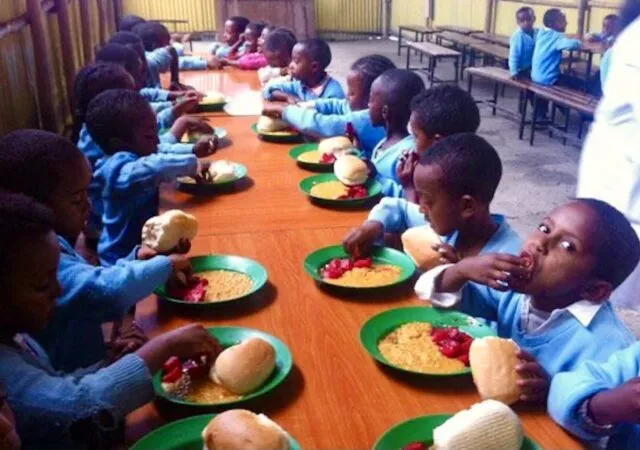
Roughly 300 million school-aged kids worldwide miss out on a nutritious meal every single day. That's a staggering number, and one that has direct consequences on their ability to learn and thrive. These programs step in to fill that gap, serving up a diverse menu of healthy foods.
We're a new kind of news feed.
Regular news is designed to drain you. We're a non-profit built to restore you. Every story we publish is scored for impact, progress, and hope.
Start Your News DetoxBut it's not just about getting any food on the plate. The Foundation and its partners are focused on nutritious food. We're talking fortified whole grain flour, biofortified beans, millet, and sorghum making their way into school meals in places like Rwanda, Burundi, and Kenya. Which, if you think about it, is a far cry from the beige food most of us grew up with.
Beyond the immediate benefit of a full stomach, these meals keep kids in school — especially young girls who might otherwise be pulled out to help at home. And when kids are fed, they learn better, unlocking potential that might otherwise go unrealized. It’s a win-win, unless you’re the kid who preferred the mystery meat.
A Global Recipe for Success
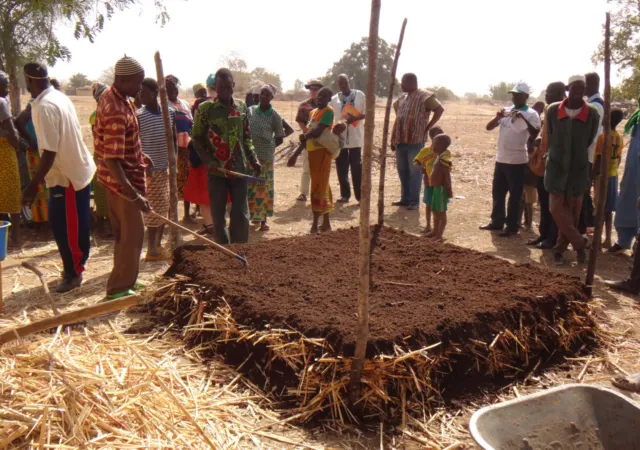
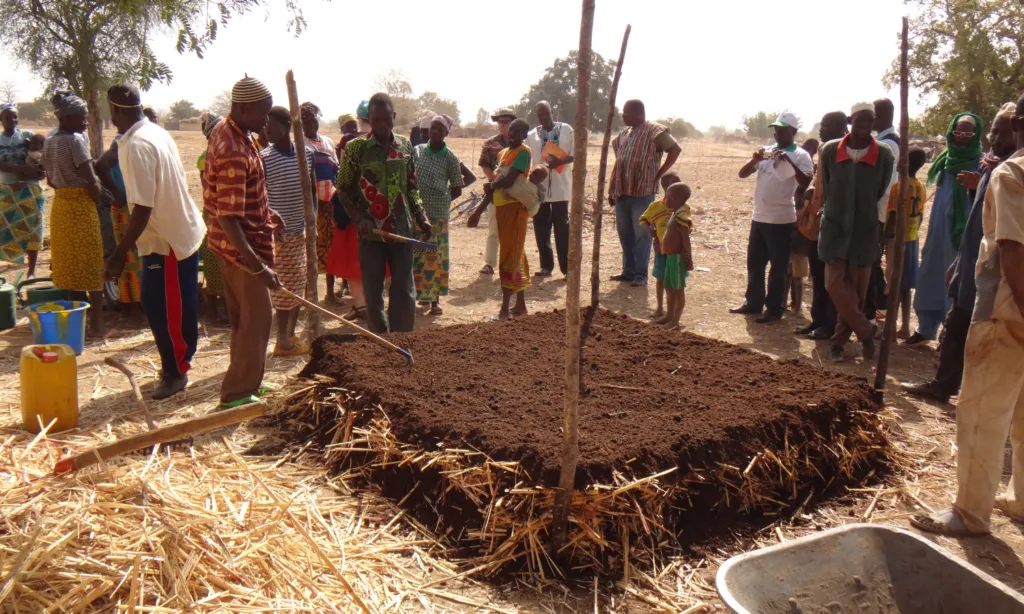
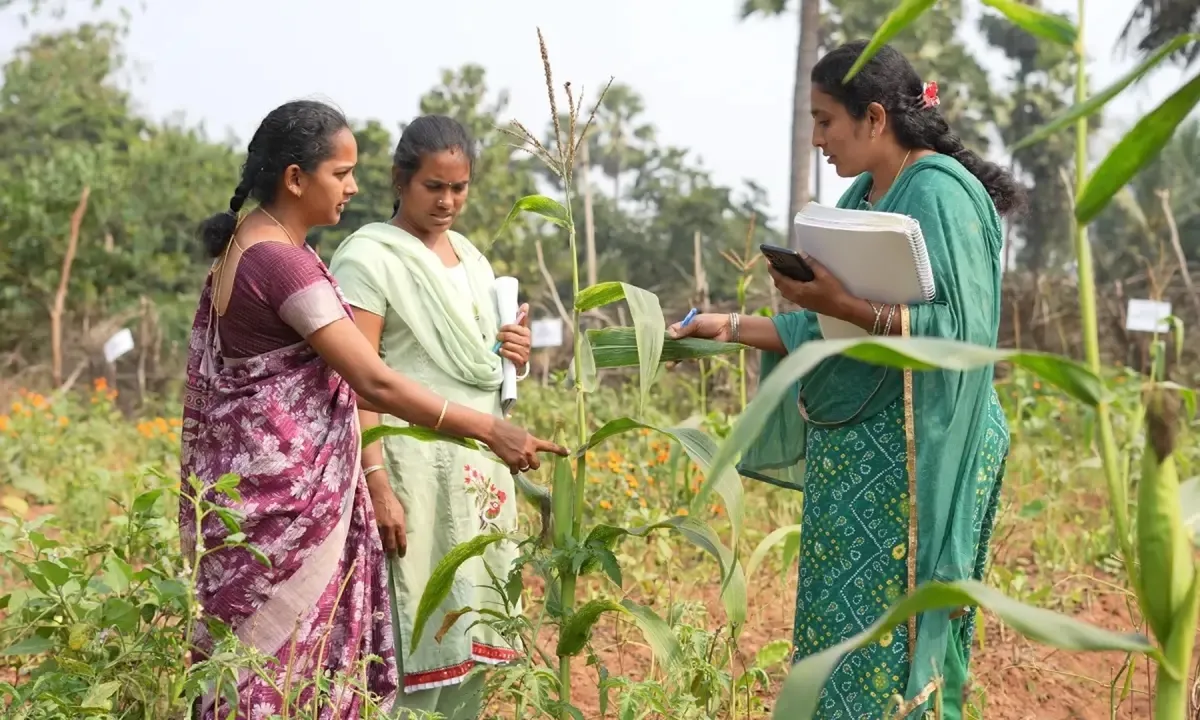
Here’s where it gets really interesting: the programs are designed to uplift entire communities. By focusing on sustainable sourcing, they create a direct market for local farmers. Kibaara notes they're essentially connecting farmers straight to the lunch line.
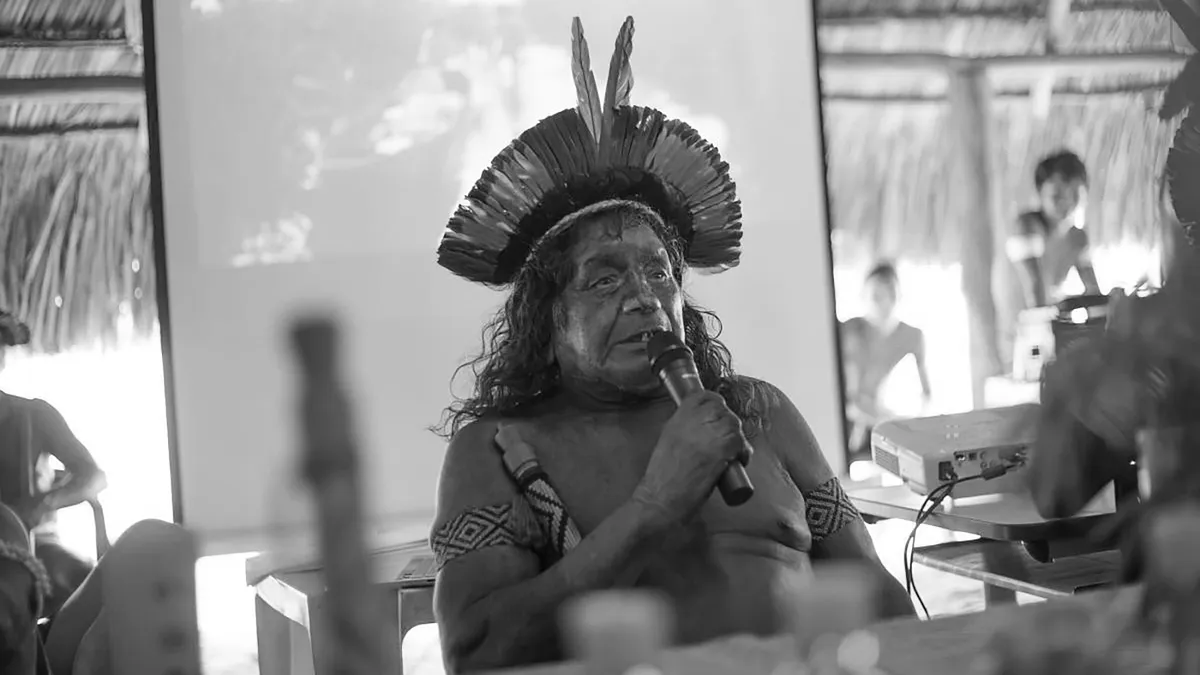
Take Brazil, for example. Their government mandates that public schools buy at least 45% of their produce from family farmers and traditional communities. Kenya is now exploring a similar model, linking farmers to stable markets and integrating them into school feeding programs. The result? Farmers are already seeing increased earnings. Because nothing says job security like knowing 100 million kids need lunch.
Sharing these successes between countries, particularly in the Global South, is key to scaling up this ambitious project. Kibaara emphasizes that "South-to-South collaboration is an excellent way to learn." Because when it comes to feeding the future, everyone benefits from sharing notes.