Good news, bad news, and genuinely perplexing news from the world of food this week. First, a federal program is making sure more kids get fed at school. Then, a former FDA official drops a bombshell about why our food might not be as safe as we think. And finally, some hope for our parched planet.
The Lunch Line Gets Longer (in a Good Way)
More schools are tapping into a federal program to make sure no kid goes hungry during the school day. A new study from the Food Research & Action Center (FRAC) just revealed a record-breaking 55,362 schools used the Community Eligibility Provision (CEP) in the 2025-2026 school year. That's a 2.1% bump from the previous year, which means a lot more full bellies.
The CEP is a clever bit of policy that lets schools with a high number of low-income students offer free breakfast and lunch to everyone. No forms, no fuss, just food. Three-quarters of eligible schools are now on board, which FRAC is hailing as a "key step towards Healthy School Meals for All." Crystal FitzSimons, President of FRAC, put it simply: free meals for every student changes everything for kids, families, and schools.
We're a new kind of news feed.
Regular news is designed to drain you. We're a non-profit built to restore you. Every story we publish is scored for impact, progress, and hope.
Start Your News DetoxNow for the catch. To keep this good thing going, FRAC is urging the powers-that-be to reverse cuts to the Supplemental Nutrition Program (SNAP). Why? Because CEP eligibility is tied directly to how many kids qualify for free meals, which, you guessed it, is linked to SNAP participation. FitzSimons worries that SNAP cuts could "unravel" all this hard-won progress. Because apparently, that's where we are now.
The Case of the Missing Pathogens
Remember cyclospora? That microscopic parasite that causes thousands of foodborne illnesses? Well, a former U.S. Food and Drug Administration (FDA) official, Susan Mayne, is now sounding the alarm. She believes some actions by the Trump-Vance administration are "actively undermining microbial food safety." Let that sink in.
Mayne, who used to direct the FDA’s Center for Food Safety and Applied Nutrition, laid it all out in an op-ed for STAT. Her concern: program cuts and policy delays are kneecapping efforts to track and respond to nasty contaminants like cyclospora.
She rattled off a list of issues: FoodNet, a national program that tracks foodborne illnesses, now tracks fewer pathogens. Six, including cyclospora, are no longer on the federal radar. Plans to improve how food is traced along the supply chain? Delayed until 2028. The U.S. Department of Agriculture (USDA) even closed a research facility in Beltsville, Maryland, where labs, you know, studied cyclospora. Oh, and they disbanded the National Advisory Committee on Microbiology Criteria in Food. Because who needs expert advice on food safety, right?
Mayne hopes the cyclospora outbreaks will be a wake-up call, stressing that people shouldn't have to choose between healthy food and safe food. "Health is made possible when food safety supports consumer confidence in fruits and vegetables," she wrote. Which, if you think about it, is both impressive and slightly terrifying that it needs to be said.
Can Dirt Save Us All?
While parts of Europe are literally drying up from extreme heatwaves (imagine rivers, lakes, and entire fields just... evaporating), there's a glimmer of hope for our precious soil. Wildfires are raging, Spain and France are seeing unprecedented dryness, and Dominik Schumacher, a scientist at ETH Zurich, put it bluntly: this situation "is our own doing." As temperatures rise, the air gets hotter, and "it will suck the soils dry." Lovely.
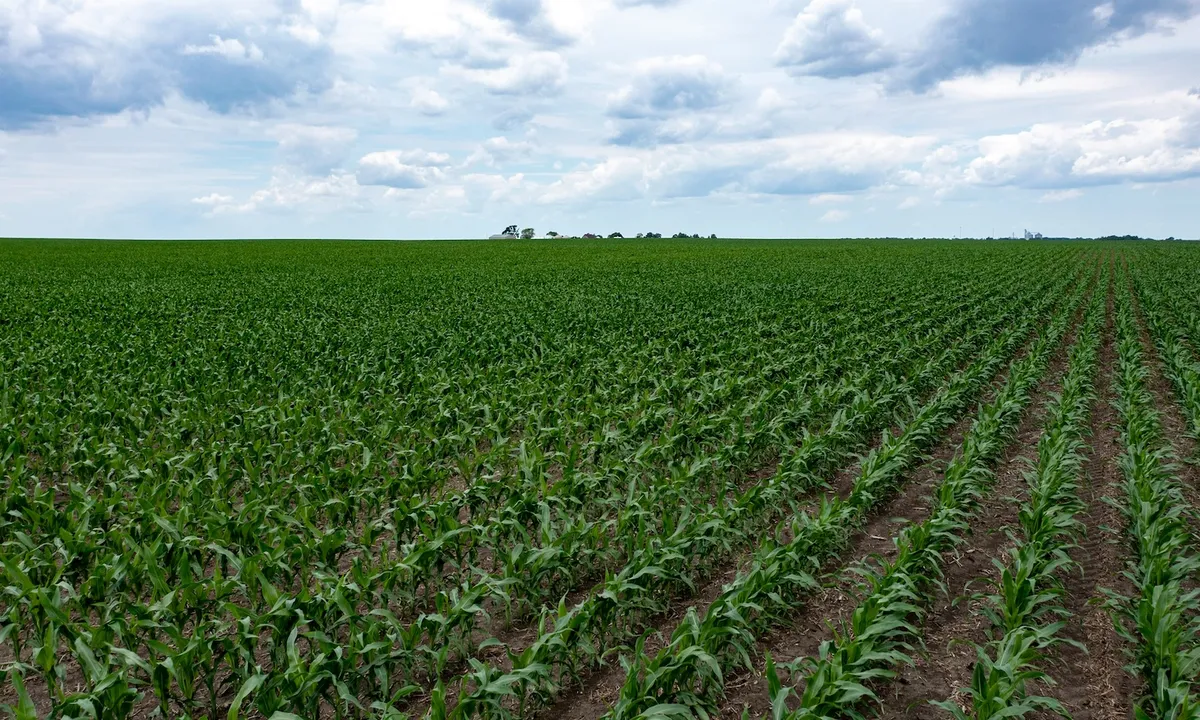
Europe's looking at a loss of 9 million tonnes of grain, France is anticipating its worst Maize harvest in half a century, and Romanian farmers might lose over 1 million hectares of crops. Mariam Zachariah, a researcher at Imperial College London, states the obvious with a punch: "Without rapid, aggressive emissions cuts, Europe is heading for a future where these scorching, dry summers happen time and time again."
But here’s where it gets interesting: a new study in Nature Food suggests that restoring Earth's soils could feed millions more people. Researchers finally measured how things like erosion, compaction, and loss of vegetation affect crop yields. The big takeaway? Improve soils by just 10%, and we could produce enough food for an additional 70 million people. James Gerber, a Senior Scientist at Project Drawdown, calls it a "virtuous cycle" — better soils mean less pressure on land, which helps prevent emissions from deforestation. So, maybe the answer to not starving on a burning planet is literally under our feet. Who knew dirt could be so powerful?