Imagine a farming method so effective, so game-changing, that it lands you the world's largest environmental award. Now imagine that method is, essentially, going back to basics.
That's exactly what happened for the Andhra Pradesh Community Managed Natural Farming (APCNF) program in India. They just snagged the 2026 Food Planet Prize — a cool $1.5 million — for their work leading one of the planet's biggest agroecology projects. The plan? To spread their sustainable farming gospel to 6 million farmers in Andhra Pradesh and beyond. Because apparently, sometimes the best way forward is just... nature.

Lindiwe Majele Sibanda, Co-Chair of the Food Planet Prize jury, called APCNF a blueprint for how nature-friendly farming can totally transform communities. Millions of farmers, she noted, can improve their lives, become more resilient, and give the environment a much-needed hug. All with dirt and plants. Who knew?
We're a new kind of news feed.
Regular news is designed to drain you. We're a non-profit built to restore you. Every story we publish is scored for impact, progress, and hope.
Start Your News DetoxFrom 40,000 to 1.8 Million
The APCNF journey kicked off in 2016 with a modest 40,000 small farmers. It’s run by the nonprofit Rythu Sadhikara Samstha (RySS), which, fittingly, translates to 'Farmer Empowerment Organisation.' Fast forward ten years, and they've ballooned to include 1.8 million farmers. That's a growth spurt you can actually feel in the soil.
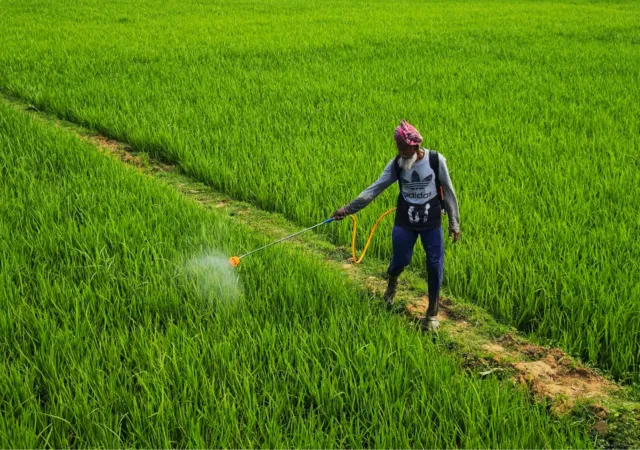
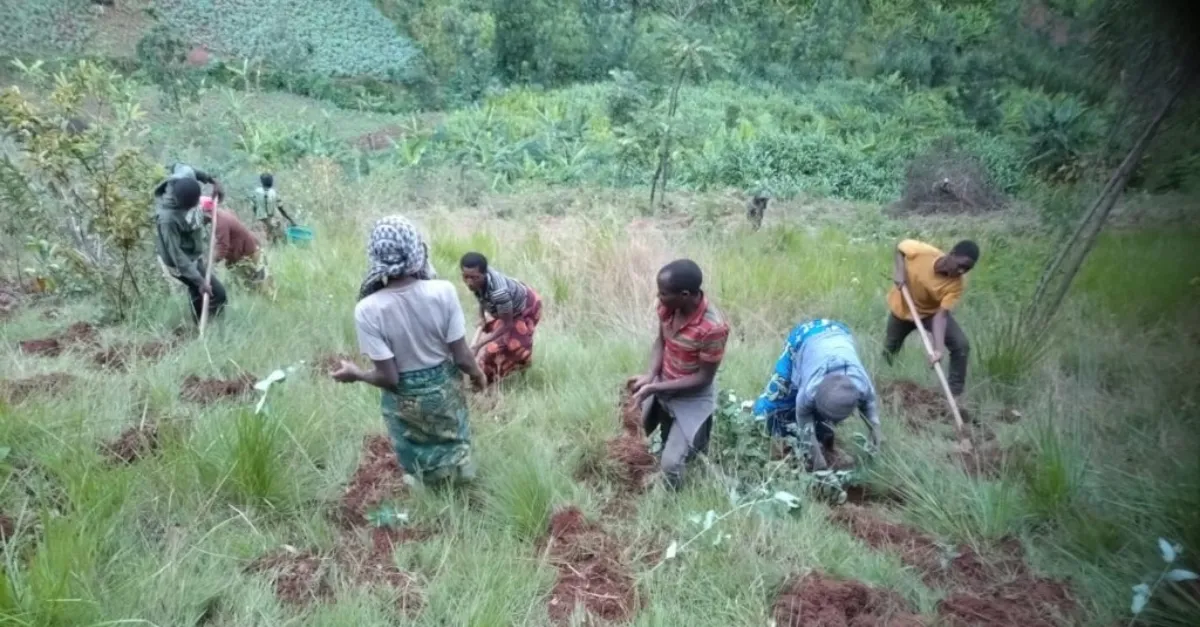
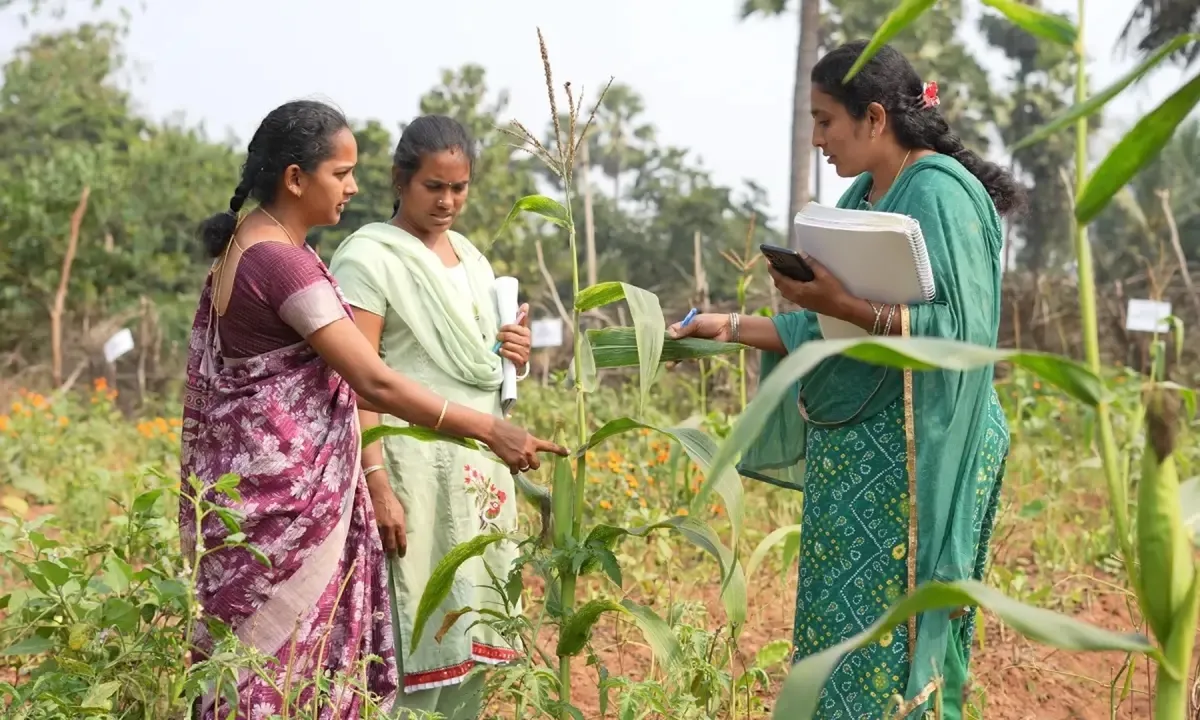
Here’s how it works: Farmers learn to harness local biological resources, diversify their crops, and naturally enrich the soil. No fancy chemicals, just good old-fashioned ecological smarts. Once farmers become experts, they're dubbed “master farmers,” and their new mission is to teach 100 to 150 of their neighbors. It's a grassroots movement, literally.
And who are the unsung heroes of this green revolution? Women. Over 60% of the master farmers are women. Vijay Kumar Thallam, Executive Vice Chair of RySS, calls them "the heroes of our work" because they're the ones experimenting, showing that this isn’t some top-down mandate. Every farmer, in Thallam's view, is a scientist, adding to a shared pool of knowledge. Which, if you think about it, is both impressive and slightly terrifying for anyone who's ever killed a houseplant.
The Big Bet That Paid Off
Shifting away from conventional farming is a massive gamble, especially for those who don't have much to lose in the first place. Thallam acknowledges the immense risk farmers take when they make the switch. But it’s a risk that’s clearly paying dividends.
These natural farming plots in Andhra Pradesh have proven to be far more resistant to extreme weather, which is going to be incredibly important with El Niño making its presence felt. And the movement isn't staying put; it's now spreading its roots to Zambia, Sri Lanka, and Brazil. Because when something is "very simple but very profound," as Thallam puts it, it tends to catch on. And apparently, anybody can do it, anywhere in the world. So, maybe that houseplant has a chance after all.