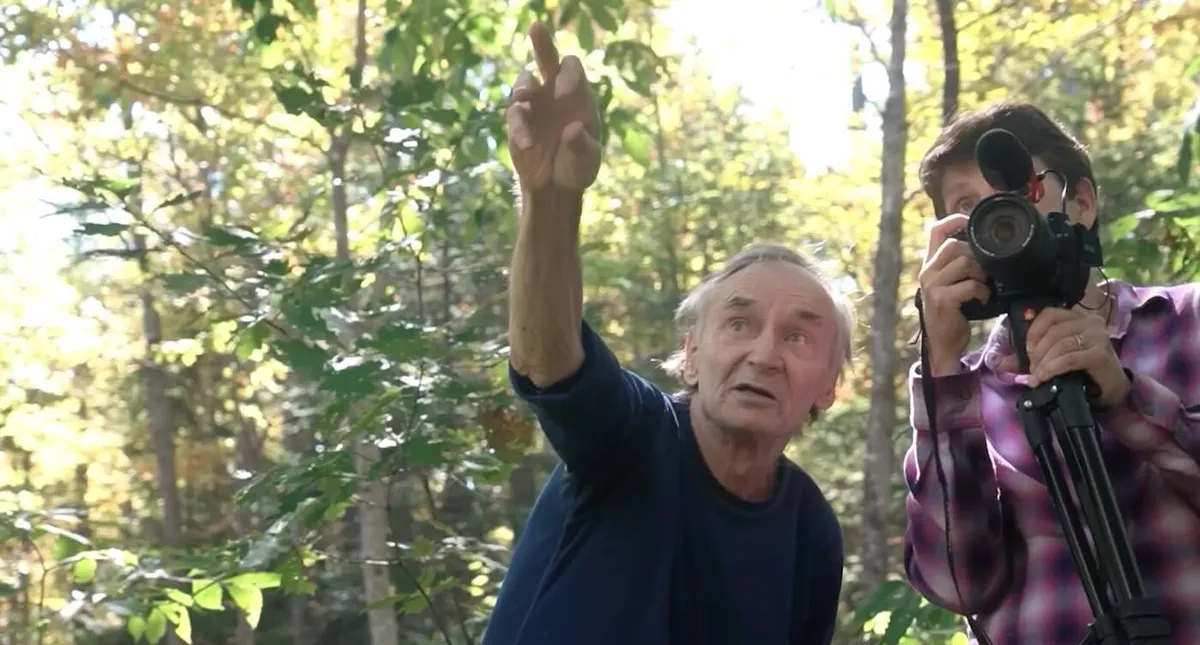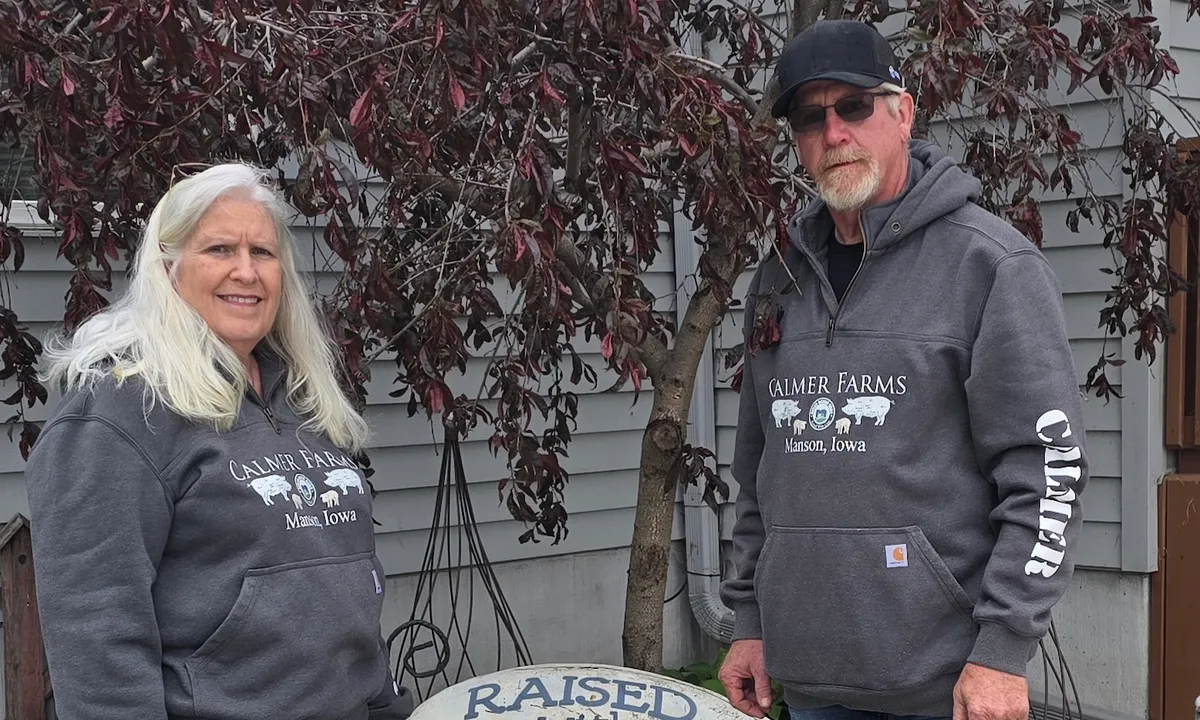
For 50 years, Phillip Calmer has been working the same northwest Iowa land his family has farmed for a century and a half. He and his wife, Jody, manage 1,200 acres of corn and soybeans, and they raise pigs. Outdoors. With sunshine. Which, in Iowa, is apparently a revolutionary act.
Iowa is the undisputed heavyweight champion of pork production, churning out nearly a third of the nation's bacon. Yet, while hog production has tripled since 1982, the number of farms raising those hogs has plummeted by a staggering 86%. This isn't just an agricultural shift; it's a gut punch to rural communities. Phillip remembers a time when Main Street was bustling, with theaters, grocery stores, and actual clothing shops. "And now, it's all gone," he laments, a casualty of massive farm consolidation.

He describes the typical corporate hog operation: "They own millions of hogs…the hogs have never seen the light of day. They are totally closed up. It's just like being in jail." It's an image that sticks, and not in a good way.
We're a new kind of news feed.
Regular news is designed to drain you. We're a non-profit built to restore you. Every story we publish is scored for impact, progress, and hope.
Start Your News DetoxThe Unconventional Pig Whisperers
The Calmers, meanwhile, have always raised their pigs with fresh air and sunshine. "It's the only way we know how," Phillip says, almost shrugging at his own radicalism. In a state drowning in confinement farms, their method is, as he puts it, "very, very unconventional."
Luckily, their unconventional ways found a home with Niman Ranch, a network of over 600 small to mid-sized family farmers. Niman Ranch farmers commit to high standards for sustainable and humane practices. In return, they get something increasingly rare: a stable market for their products. Without Niman Ranch, Phillip figures he'd be driving a truck, because "there isn't any money in commercial hog farming" these days.
This partnership means the Calmers get a guaranteed price for their naturally raised pigs, shielding them from the wild swings of crop prices. It's not just financial stability; it's a lifeline for a way of life. Jody highlights the community aspect: "When you're on your own, there isn't a support network." Niman Ranch provides that, fostering a network where farmers share ideas and support.
It's a legacy Phillip's late father instilled in him, giving him hogs to raise before he was even ten. Now, 50 years later, that passion endures. "To know that you're feeding people a quality product" is its own reward, Phillip says. Jody adds the perfect kicker: "Niman Ranch has given us the opportunity to succeed at what we love to do." Because sometimes, doing things the old-fashioned way is the most innovative path forward.