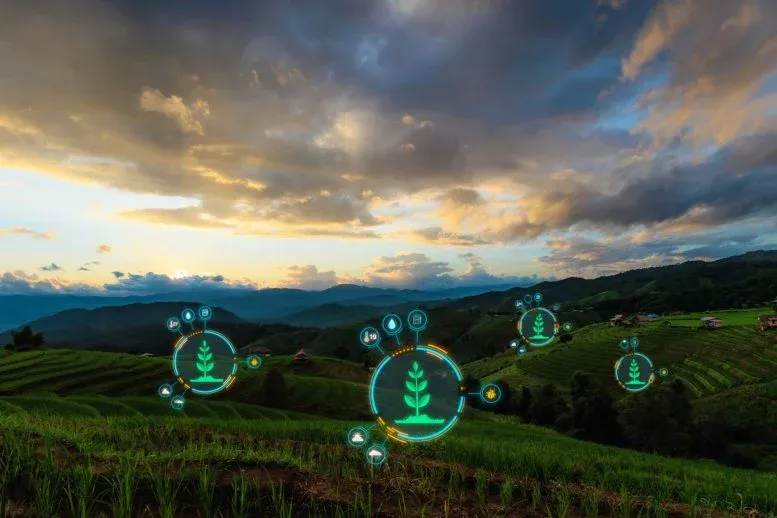
Turns out, the secret to surviving rising sea levels might not be in building higher dikes, but in the dirt beneath our feet. Scientists have discovered a remarkable microbe that can transfer its salt-loving superpowers directly to crops, offering a potential lifeline for agriculture as our planet gets a little more… seasoned.
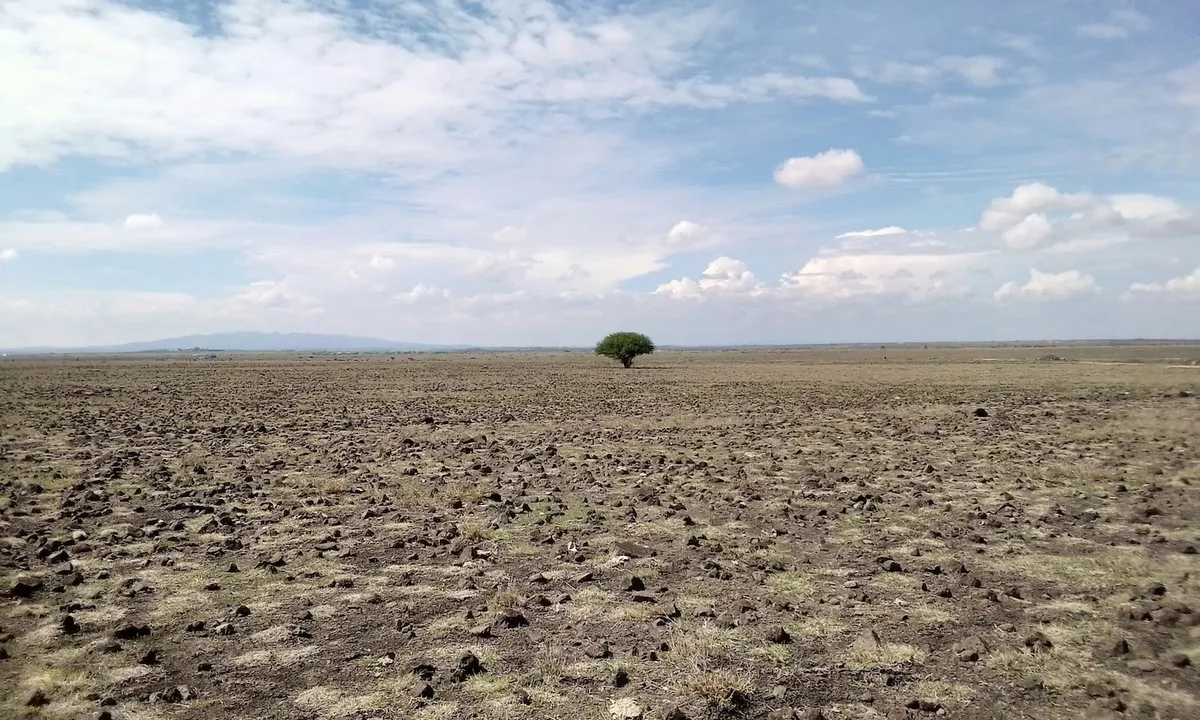
This isn't just about a plant getting a bit thirsty. Climate change is pushing saltwater further inland, turning once-fertile fields into briny wastelands. It's a slow-motion disaster for farmers, but a tiny bacterium named Pseudomonas might just be the unexpected hero.

Researchers first noticed Pseudomonas thriving around wild soybean roots in ridiculously salty soil. While other bacteria were throwing in the towel, these guys were practically doing a victory dance. The theory? They've got some special genes that make them kings of the saline scene. And now, scientists have figured out how to introduce these microbial champions to less fortunate crops.
We're a new kind of news feed.
Regular news is designed to drain you. We're a non-profit built to restore you. Every story we publish is scored for impact, progress, and hope.
Start Your News DetoxGiving Crops a Boost
The results were pretty convincing. When Pseudomonas was introduced to the roots of sorghum, maize, tomato, and rapeseed, the microbial populations around salt-stressed plants shot up by 22% to 41%. Control groups, meanwhile, barely saw a bump. Domesticated soybeans, a global dietary staple, saw their Pseudomonas numbers double under salt stress. They even developed longer, more robust roots in salty conditions, a feat confirmed in both greenhouses and open fields.
So, what's the secret sauce? Scientists are still piecing together the exact mechanism, but they've got a strong lead. They observed that treated soybeans under salt stress produced 30% to 35% more lignin in their cell walls. Lignin, for the uninitiated, is basically a plant's internal scaffolding — it makes tissues stronger and more rigid. It seems Pseudomonas is whispering sweet nothings (or perhaps stern instructions) to the plants, telling them to bulk up and resist the salty invasion.
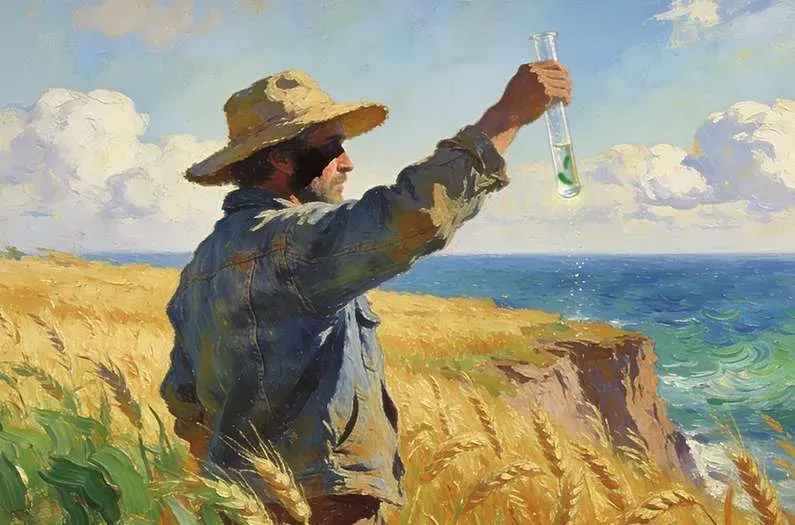
Unlocking the precise chemical conversation between these microbes and plants could be a monumental step. Because if a little bit of dirt can help our food grow in a world that's getting saltier by the minute, that's a story worth telling. And maybe, just maybe, it means our future isn't quite so grim after all.