Just when you thought the global climate was done throwing curveballs, El Niño has officially returned. The U.S. National Oceanic and Atmospheric Administration confirms this natural climate pattern, marked by a warming ocean surface, is here. Forecasters are already bracing for one of the strongest on record. Which, if you think about it, is both impressive and slightly terrifying.
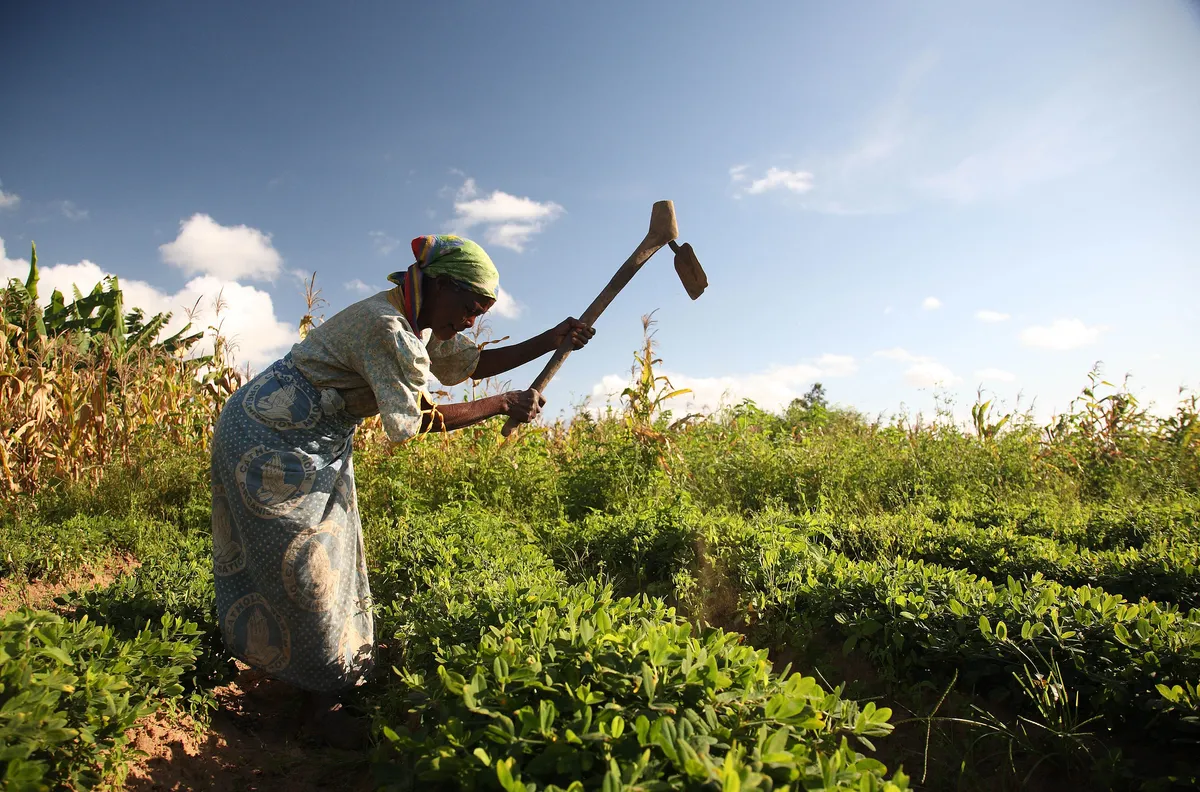
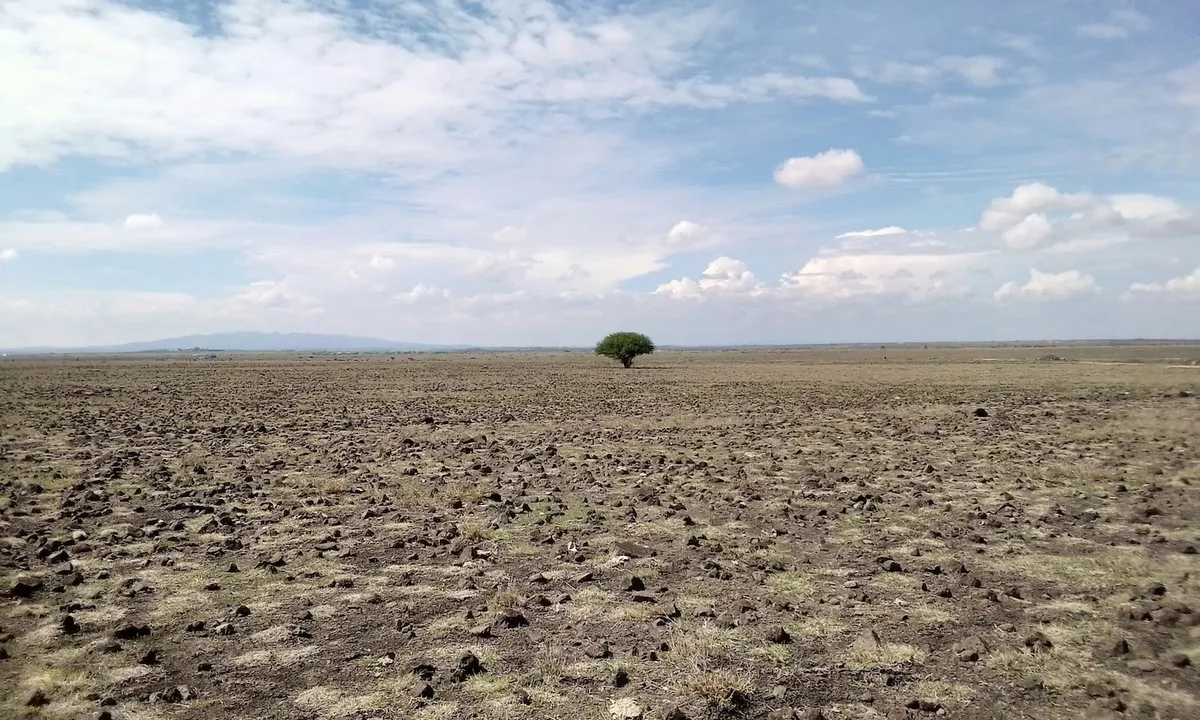
The U.N. Food and Agriculture Organization is already sounding the alarm: agricultural drought is highly probable. We're talking the Sahel, Southern Africa, parts of Asia, Central America's Dry Corridor, and the Caribbean. Mohamed Adow, Director of Power Shift Africa, put it bluntly: El Niño means "failed rains, dying crops, rising food prices, and families pushed to the edge yet again" for millions. Meanwhile, some parts of western South America might see flooding, and Northeast Africa could experience "weather whiplash"—heavy rains followed by intense drought. All this, piled on top of existing conflicts, could push over 100 million people globally into a hunger crisis. Because apparently, that's where we are now.
Rice: The Early Bird Gets the Grain
While some parts of the world brace for the worst, scientists have been busy making rice a bit more resilient. Researchers from the International Rice Research Institute (IRRI) and Japan's National Agriculture and Food Research Organization (NARO) have discovered a gene, aptly named EMF3, that helps rice plants escape the heat. Specifically, during their most sensitive flowering stage.
We're a new kind of news feed.
Regular news is designed to drain you. We're a non-profit built to restore you. Every story we publish is scored for impact, progress, and hope.
Start Your News DetoxThis gene makes rice flower in the early morning, when temperatures are lower. It's like the plant decided to set an alarm to avoid the midday sun, protecting its grain formation and preventing yield drops in tropical and subtropical areas. NARO says this lets rice "escape the heat" at its most critical time, meaning farmers can still get a harvest even when the mercury climbs. Dr. Ishimaru of NARO perfectly summed it up: rice plants with EMF3 "wake up" early to avoid stress, proving that being an early riser isn't just for entrepreneurs and morning joggers.
Though this particular gene version is rare, researchers are optimistic it could be integrated into many popular rice varieties. Considering rice feeds over half the planet, giving it a built-in snooze button for extreme heat is a pretty big deal.
Britain's Dairy Farms Are Milking It Dry
Across the pond, Great Britain's dairy industry is facing a different kind of heat. For the first time ever, the number of dairy farmers has dipped below 7,000. The Agriculture and Horticulture Development Board (AHDB) estimates there are now just 6,850 dairy producers—a rather stark 15% drop in just five years. Let that satisfying number sink in.
Why the exodus? Blame tough market conditions, milk prices taking a dive, production costs soaring, and consolidation. The Guardian reports a rise in factory-style dairy farming, with farmers feeling pressured to "go big" or go home. One anonymous producer confessed they "feel like they’ve got to do it." Farmer sentiment, according to AHDB, is "largely negative." And while milk prices have finally stabilized, they need a serious boost to restore confidence. This isn't just a British problem, either. In the U.S., the number of dairy farms has plummeted by 95% since the 1970s. Apparently, the cows are fine, but the farmers? Not so much.
Land Use: Not So Scary After All
Good news for the planet (and your wallet): a new study in Science suggests that using land smarter can be a huge win for biodiversity, economic growth, and environmental health, all without breaking the bank. And we're talking about 146 countries here.
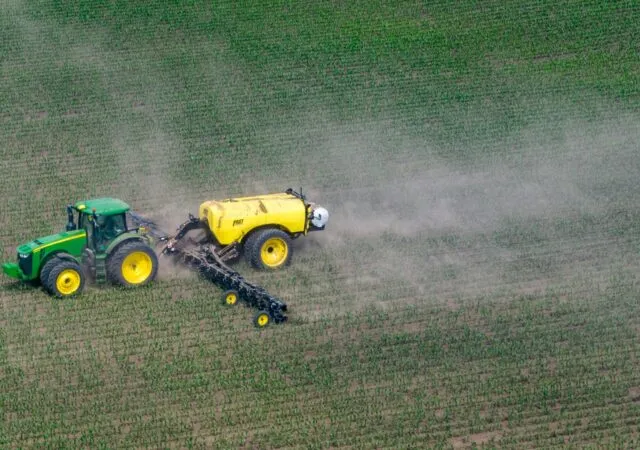
Researchers wanted to debunk the myth that climate action is just too expensive. Lead author Stephen Polasky explained their goal was to find ways to be more efficient, tackling climate and biodiversity issues without bankrupting people. They found that things like reforestation in productive areas and better farming in low-yield regions can actually bring real benefits. Becky Chaplin-Kramer, Global Biodiversity Lead Scientist at WWF-US, says it proves that protecting nature and growing biodiversity don't have to be a trade-off. So, perhaps making those changes isn't so scary after all.
10,000 Farmers Get a Boost
Finally, some genuinely uplifting news: The Inter-American Institute for Cooperation on Agriculture (IICA) has announced a significant success. Their Rural Advisory and Agroecology Project (AERAS) has empowered over 10,000 farmers across Latin America and Africa in just two years. That's a lot of happy farmers.
The project offers training and technical support, teaching farmers how to raise livestock and grow crops like cocoa, coffee, vegetables, and tropical roots using fewer chemical inputs. This means healthier soil, more biodiversity, and diversified incomes. Oswaldo Páez Aponte, a project consultant, emphasized the importance of these practices gaining traction. Because when farmers thrive, everyone thrives. And that's something worth sharing.