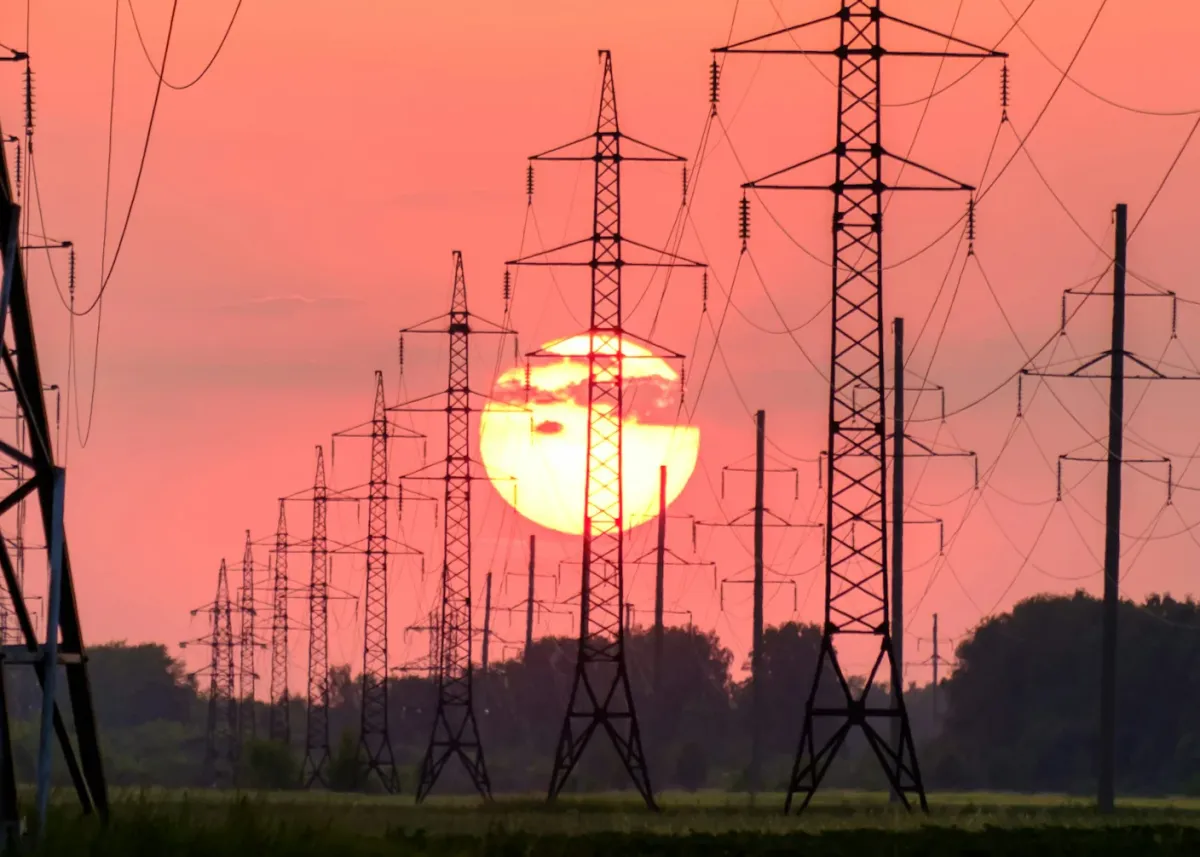
For the first time ever, the sun officially out-powered coal in the US electricity mix. Let that satisfying number sink in: in May, solar panels generated more gigawatts than grumpy old coal plants. It's a quiet, monumental shift that probably didn't get a parade, but absolutely deserves a double-take.
Coal, once the undisputed heavyweight champ of American power, has been on a steady decline, its share nearly cut in half over the last five years. Turns out, cheaper natural gas and the ever-dropping price tag of renewable energy are a formidable one-two punch. And solar? It's been sprinting.
Last month, solar supplied a respectable 12.8% of US electricity, just nudging past coal's 12.2%. That makes the sun the third-largest power source in the country, trailing only natural gas and nuclear. Nicolas Fulghum, a data analyst at the energy think tank Ember, put it succinctly: solar went from a bit player to a major league slugger, and it's still the fastest-growing source.
We're a new kind of news feed.
Regular news is designed to drain you. We're a non-profit built to restore you. Every story we publish is scored for impact, progress, and hope.
Start Your News DetoxThe Sunny Side Up (and Down)
In just five years, solar's slice of the energy pie more than doubled, hitting a new peak of 45.5 terawatt-hours in May — a 17% jump from last year. Which, if you think about it, is both impressive and slightly terrifying for anyone still betting on fossil fuels.
But it's not all endless summer. The solar industry has its own cloud cover. A recent report pointed to a 27% drop in new solar capacity added early this year compared to last. Part of that is normal seasonal ebb and flow, but some of it is a bit more bureaucratic.
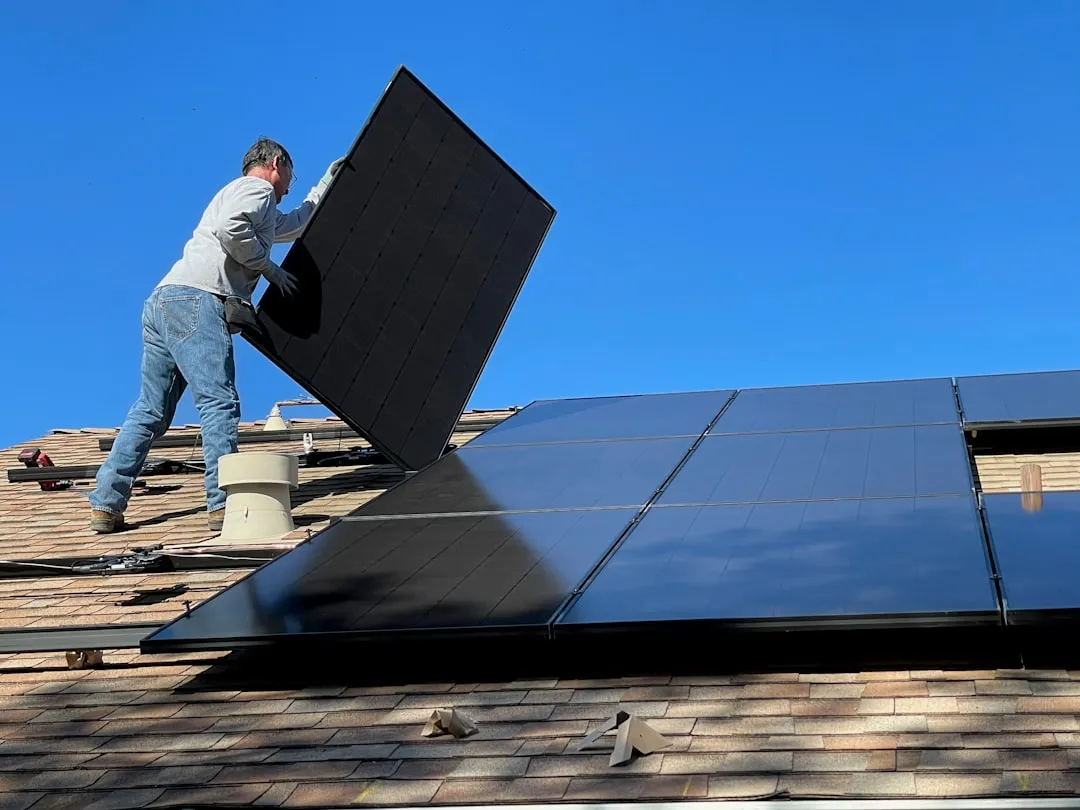
We're talking the expiration of home solar tax credits, trade restrictions on imported solar parts (because apparently, we can't make everything here yet), and the ever-present joy of getting permits for new projects. Because nothing says "progress" like paperwork.
Yet, even with these headwinds, solar and battery storage accounted for a whopping 91% of all new electricity capacity added in the first quarter. And here's a fun twist: states that voted for President Trump in 2024 were responsible for 74% of that new solar capacity. Because energy buyers, as SEIA interim president Darren Van’t Hof noted, want security, low cost, and speed. Turns out, green energy is just good business.
Wood Mackenzie forecasts new solar additions will level off at around 43 gigawatts per year. Still a lot, but a slower sprint than the previous breakneck pace. So, while the sun just had its moment in the spotlight, policy tweaks might be needed to keep that momentum blazing.