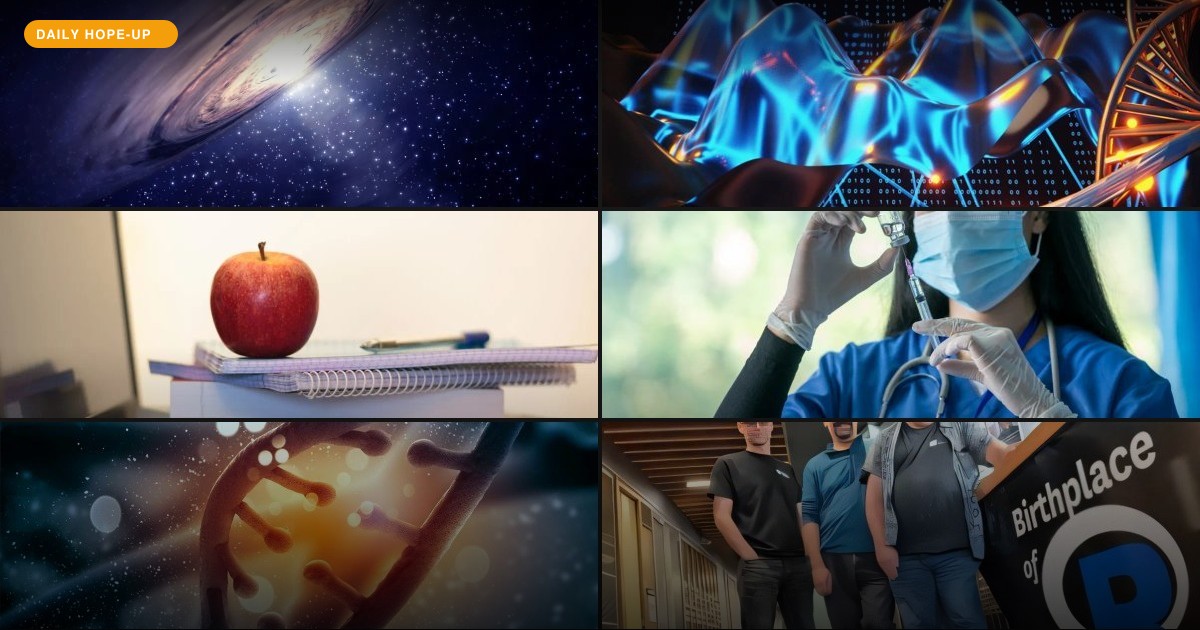
This week, scientists didn't just discover new things; they politely but firmly informed us that much of what we thought we knew about, well, everything was probably a bit off. From the true age of the universe to the fundamental rules of genetics, it turns out reality is far more interesting than our textbooks let on.
The Cosmos: A Re-Run, Perhaps?
Just when you thought the Big Bang was the definitive origin story, physicists are musing that black holes might be older than time itself. A new cosmic bounce model suggests that the universe might have had a previous incarnation, leaving behind ancient black hole remnants that survived the cosmic reset. Meanwhile, back on Earth, the evolutionary timeline for when animals first walked on land just got a serious revision thanks to baby croc-like fossils that blew up a 100-year-old theory. It seems our understanding of both the incredibly vast and the anciently small is constantly evolving. If you thought the universe had a simple beginning, prepare for a plot twist.
"The coral had been declared dead in 2019. Five years later, it's not just alive — it's spawning." — Read the full story
Wait—What is Brightcast?We're a new kind of news feed.
Regular news is designed to drain you. We're a non-profit built to restore you. Every story we publish is scored for impact, progress, and hope.
Start Your News Detox
Biology's Rulebook: More Like 'Guidelines'
Remember DNA methylation, that tidy little system that helps decide which genes get expressed? A new study on a sea anemone just rewrote its rules, revealing an unexpected role for this fundamental process. But the sea anemone wasn't alone in challenging established biological dogma. Scientists also found that some inherited traits can bypass the traditional rules of genetics, adding a surprising new layer to how we pass on traits. Even our brains, long thought to decline inevitably, are getting a reboot: scientists say we've been wrong about the aging brain, suggesting it's far more capable of growth and improvement, even into our 90s. This means the very blueprint of life and our understanding of aging are far more dynamic and hopeful than previously assumed.
Tools and Triumphs: From Code to Health
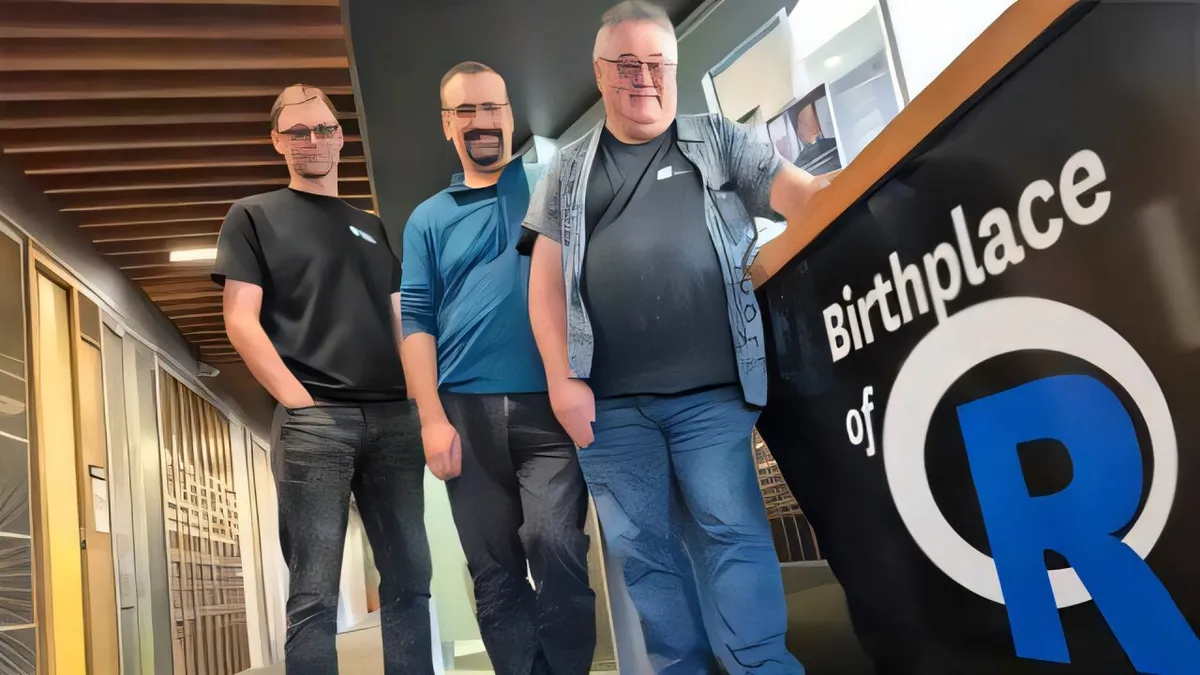
While the universe and biology were busy getting recalibrated, the tools we use to understand them were also making strides. The 'Nobel Prize for Stats' — the John M. Chambers Award — just went to the developers of the open-source programming language 'R', a testament to the quiet, foundational work that underpins so much scientific progress. On the health front, a key FDA committee unanimously recommended its first vaccine since 2023, an mRNA flu vaccine that promises greater efficacy. And for those concerned about battery life, researchers in Austria developed a new EV battery system that can literally tell you when it's hurting, using internal signals to detect damage in real-time. This means the silent, unseen heroes behind our data and technology are making our lives safer, healthier, and more informed.
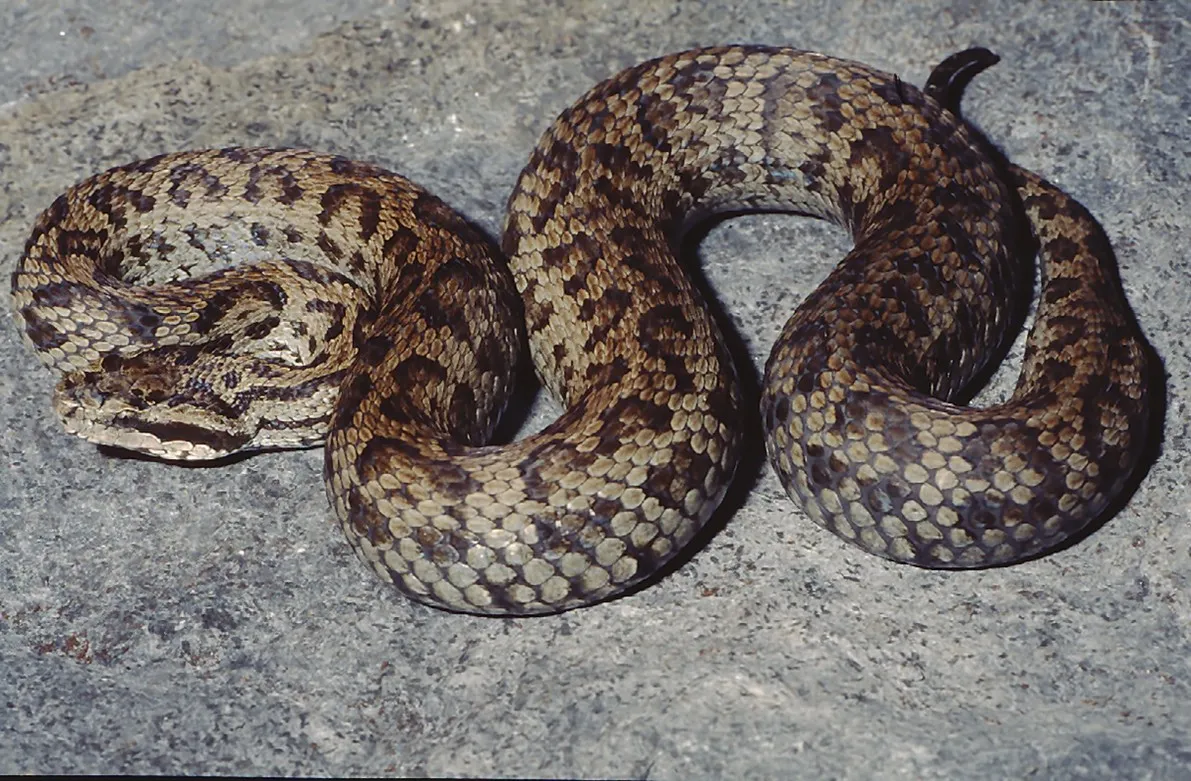
Hope stat: 5 — distinct species of Himalayan pit vipers we now know exist, up from just one thanks to museum DNA.
Watch this space: The implications of non-DNA inheritance could reshape our understanding of disease and evolution for decades to come.