
Imagine a policy so good, a government decides it needs to be enshrined in law, just in case future politicians get any bright ideas. That's exactly what Zambia just did with its free public education. President Hakainde Hichilema signed the Education (Amendment) Act 2026, officially making free schooling from early childhood right through secondary school a permanent legal right.
This isn't just a feel-good gesture. While the free education policy started in 2022, this new law means any future administration that tries to roll it back will need parliamentary approval. Good luck with that, say 2.6 million children who returned to school when fees were dropped.

From Policy to Protection
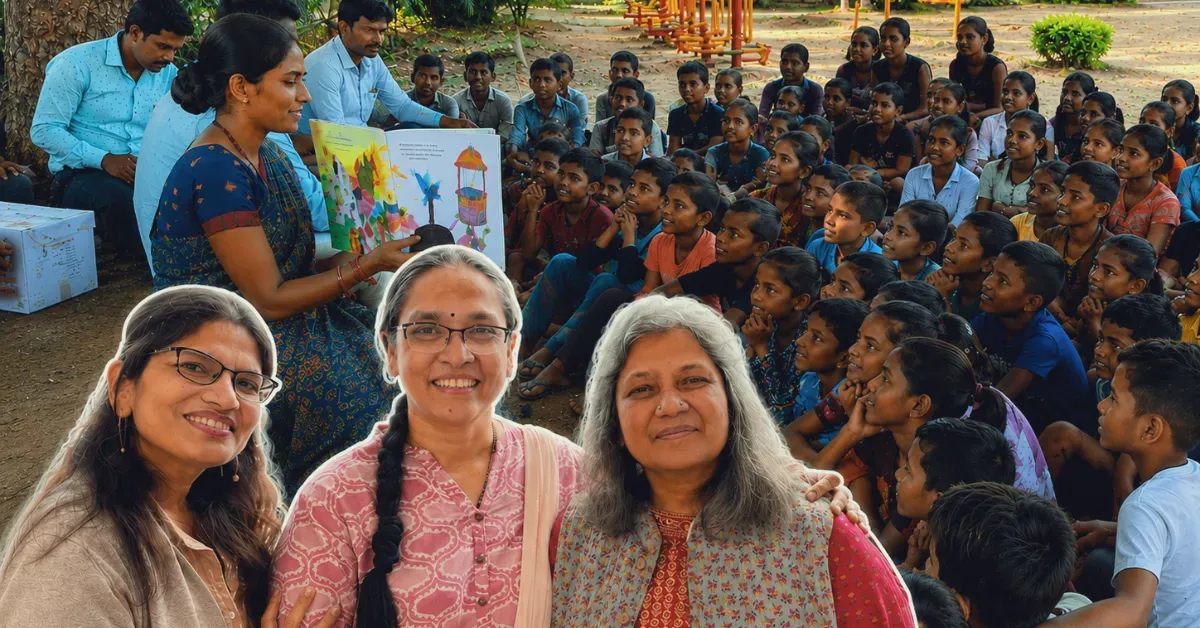
When Zambia scrapped school fees in 2022, the impact was immediate and dramatic. Over 2.6 million children, previously locked out by costs, poured back into classrooms. For many families, those fees had been the insurmountable hurdle.
We're a new kind of news feed.
Regular news is designed to drain you. We're a non-profit built to restore you. Every story we publish is scored for impact, progress, and hope.
Start Your News DetoxBut here's the rub: a government policy is only as strong as the government in power. Vice-President Mutale Nalumango made it clear: education shouldn't be a political football. A legal obligation is a far more robust shield than a mere political one. And that distinction? That's the real power move here.
Since then, Zambia's education stats have been on an upward trajectory. In 2025, the country hit its highest-ever Grade 12 pass rate at 70%. The government has been busy building new classrooms, hiring more teachers, and expanding school feeding programs to millions. Turns out, access and results can improve in tandem.

Of course, researchers are quick to point out the next challenge: maintaining that investment. Because getting kids into school is one thing; making sure the system can actually handle them, and give them a quality education, is quite another.
Lessons Learned (and Still Learning)
Zambia isn't pioneering free education in Africa. Ghana's Free Senior High School program, for instance, saw student numbers explode after 2017, leading to a rather inventive (and slightly chaotic) double-track system to manage overcrowding. Kenya, Tanzania, Sierra Leone, Malawi, and South Africa have all danced with various forms of free schooling.
They all learned the same lesson: opening the school gates is the easier part. The real work begins inside those gates. Class sizes, teacher quality, and ensuring rural areas get the same shot as urban ones — these are the factors that determine if a legal right to education becomes a meaningful reality.

So, for the 2.6 million children who got a second chance at an education, this new law is more than just paperwork. It's a promise. A legal guarantee that the door, once opened, will stay that way.