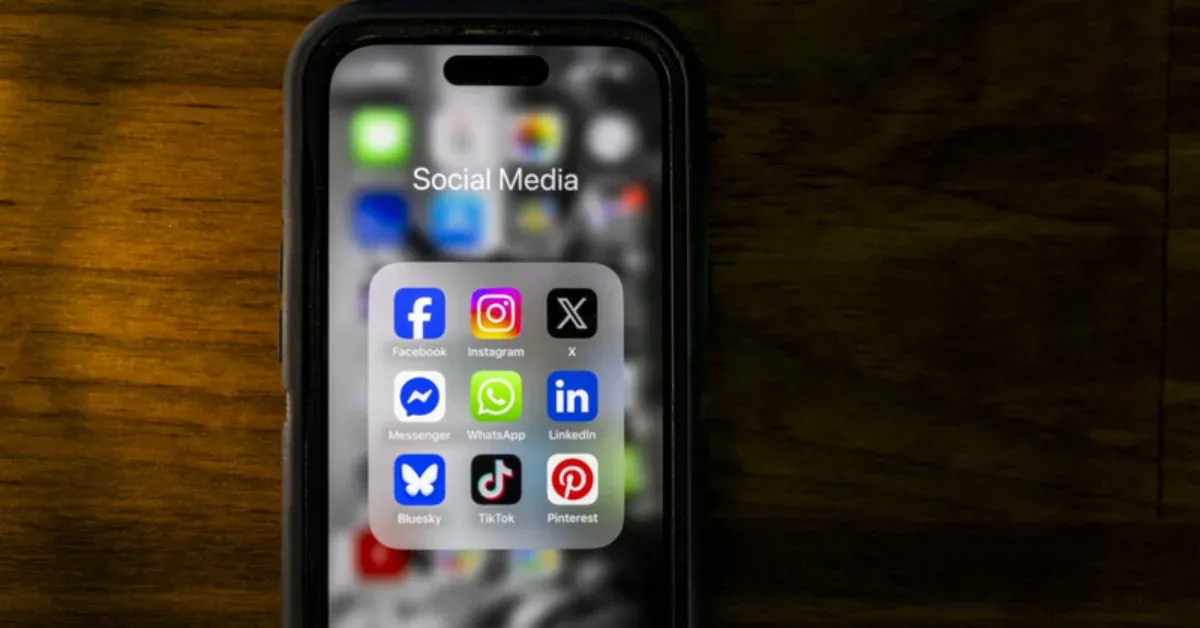
Social media platforms in New Jersey will soon face new rules. These rules will limit how they use children's data. They will also restrict content recommendations for minors and block notifications during school hours.
These new restrictions will start in September 2027. Governor Mikie Sherrill signed the legislation on Tuesday. New Jersey hopes to regulate big tech companies, which Sherrill said federal lawmakers have largely ignored.
Protecting Kids Online
Governor Sherrill believes big tech is worse than "big tobacco" because it "hijacked our kids’ attention spans." She noted that the average American teen spends about 35 hours a week on platforms like TikTok, Instagram, and YouTube. This is almost like a full-time job.
We're a new kind of news feed.
Regular news is designed to drain you. We're a non-profit built to restore you. Every story we publish is scored for impact, progress, and hope.
Start Your News DetoxThe New Jersey Kids Code Act will make privacy settings on minors' social media accounts as strict as possible. It will also stop platforms from asking minors to change these settings.
The law will limit how platforms use children's data. They can only use it for the reason it was collected. Algorithmic content recommendations will be banned unless a minor specifically asks for more or less content from an account or of a certain type.
Social media platforms must also make it harder for adults and search engines to find children's accounts.
The law will stop social media platforms from sending notifications to minors. This applies between 8 a.m. and 4 p.m. on school days, from Labor Day to Memorial Day. It also blocks notifications between 10 p.m. and 6 a.m. all year round.
Assemblywoman Andrea Katz, a main sponsor of the bill, highlighted the impact of social media. She said half of parents report their children's mental health has suffered due to social media. Nearly half of teenagers lose sleep nightly because they feel stuck on these platforms.
Accountability and Research
Parents and the New Jersey attorney general can sue over violations of the new law. If they win, courts could award $5,000 per violation or three times the harm suffered, whichever is more. Attorney fees would also be covered.
Courts can also order extra damages for reckless violations. They can also issue orders to stop harmful behavior.
Lawmakers explained that social media has traded children's mental health for engagement. Threats that used to be in physical places have moved online. Senator Raj Mukherji, another bill sponsor, said parents used to worry about strangers at the park. Now, they worry about who is messaging their kids and what algorithms are pushing into their feeds. They also worry about sensitive information being collected and sold.
In addition to this law, Governor Sherrill signed other bills. These bills will create a social media research center at a public university in the state. This center will study how well social media warning labels work to curb addiction in children.
The state's higher education office started accepting proposals for the center on Tuesday. It aims to open this fall with $500,000 from the state budget.
Deep Dive & References
Bill A4014: Creation of a social media research center
Bill S3412: Directing the social media research center to study efficacy of warning labels