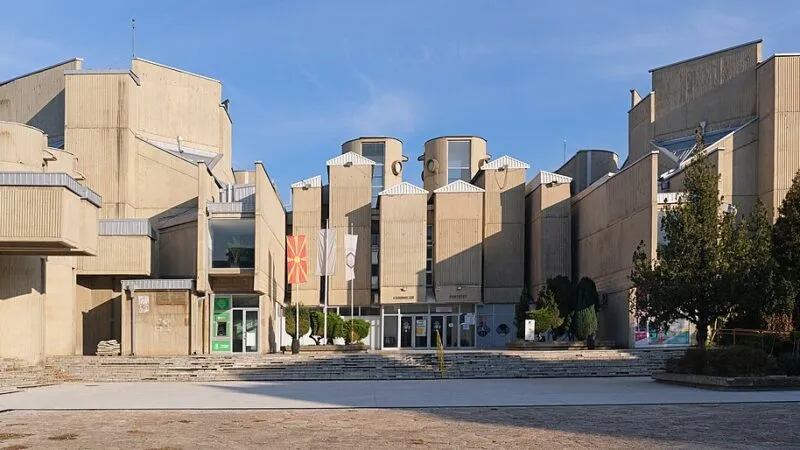
For nine years, Studentarija has been the Instagram account for North Macedonian students. It's where they find out about scholarships, bus routes, and, crucially, where they can vent about the less glamorous side of student life. Think: Game of Thrones but with more textbooks and fewer dragons, and the complaints are about literal rats in the dorms.
Over time, Studentarija's DMs became a digital confessional. Students messaged about everything from missing government scholarships to inexplicable cuts to their subsidized meals, and, yes, those aforementioned cockroaches. They knew these stories needed telling, but feared what might happen if they spoke up publicly. Because apparently, speaking truth to power can cost you your housing, or worse, your hot water.
From Whispers to a Weapon: The Digital Student Voice
All those individual whispers started to sound like a roar. Could thousands of private messages reveal something bigger than just a few bad breaks? That's where Digital Student Voice comes in. It's an online platform allowing students to anonymously report problems, turning individual gripes into organized, undeniable evidence.
We're a new kind of news feed.
Regular news is designed to drain you. We're a non-profit built to restore you. Every story we publish is scored for impact, progress, and hope.
Start Your News DetoxGoshe Nikolov, Studentarija's founder, knows students trust his platform. But that trust only goes so far when facing potential retaliation. As he explains, a student dorm in Ohrid had issues, and while students told Studentarija everything, they were terrified of being identified. Because in a small academic community, anonymity is as hard to keep as a secret in a sorority house.
How It Works (Spoiler: It's Not Just a Complaint Box)
Students log onto a secure form and spill the beans. Delayed scholarships, dorms that would make a horror movie set look luxurious, administrative hurdles that feel designed by Kafka himself — it all goes into the database. This isn't just about collecting complaints; it's about finding patterns. Isolated incidents become measurable trends. A single story of a cold shower? Unfortunate. Dozens of stories across multiple dorms? That's a systemic problem, darling.
Aleksandar Nikolovski from Studentarija says the team reviews every submission. They're basically data detectives, sifting through the reports to find the most frequent issues. Then, they organize these findings into a concise, undeniable package and present it to the relevant institutions. Because nothing says "you need to fix this" like a spreadsheet full of undeniable student misery.
The Numbers Don't Lie
Turns out, students were waiting for this. In its first month, Digital Student Voice received about 100 reports. By month three, that number nearly tripled to 300. For a country with roughly 53,000 university students, that's a significant volume of very specific complaints. And the striking thing? The issues are eerily similar, no matter where students study.
Ana Shopovska, another Studentarija team member, confirms they're seeing clear patterns. Scholarship payments consistently delayed. Subsidized meal programs mysteriously interrupted. And those dorm conditions? Persistent reports of rodents, insects, and long periods without hot water or electricity. When the same problems crop up again and again, it's not bad luck; it's a flashing red light for systemic failure.
Data Driving the Dialogue
Identifying these themes is just the beginning. Studentarija regularly publishes summaries of common problems and even runs public polls to let students rank the most urgent issues. These findings are then shared with public institutions through official letters, media coverage, and social media. It's less about finger-pointing and more about saying, "Look, we have receipts."
This initiative isn't replacing official complaint procedures; it's complementing them. It's about giving a collective voice to student experiences that might otherwise be lost in private messages or, worse, ignored altogether. As the platform grows, Studentarija hopes it will become a long-term monitoring tool, fostering a dialogue between students and institutions based on something truly revolutionary: actual evidence. Because sometimes, all it takes is a mountain of anonymous complaints to finally get someone to fix the plumbing.