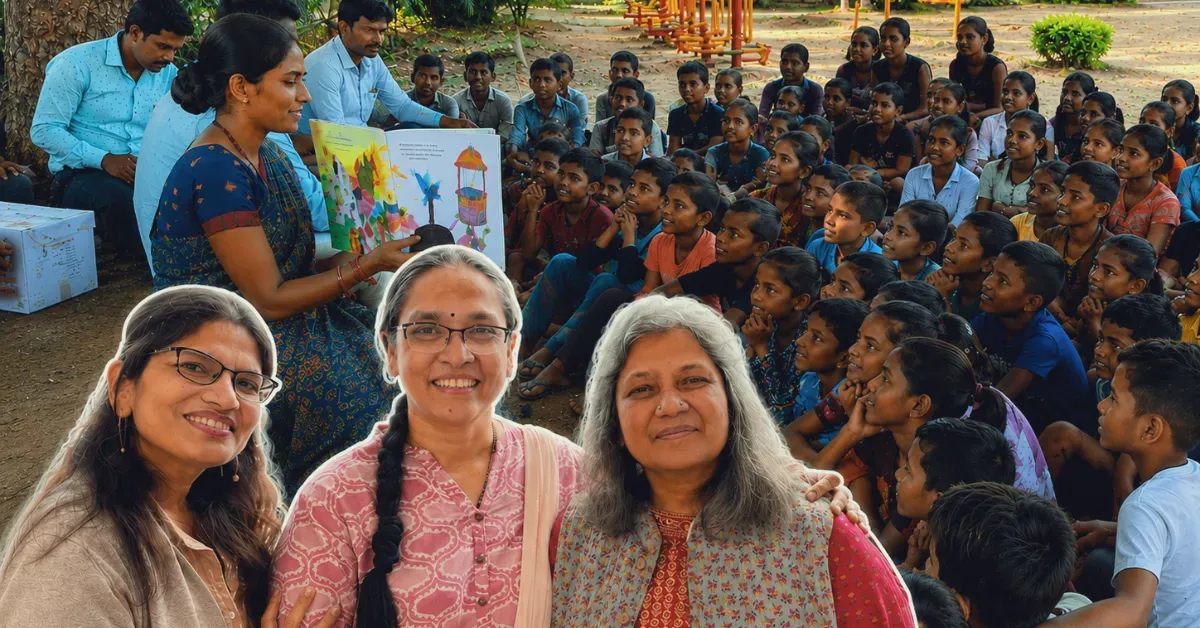
Imagine a classroom where 30 typically restless children are so engrossed in a story, you could hear a pin drop. A year ago, these same kids would have launched books across the room or simply walked out. Now, they're debating plot points, acting out scenes, and calling story time the absolute best part of their school day.
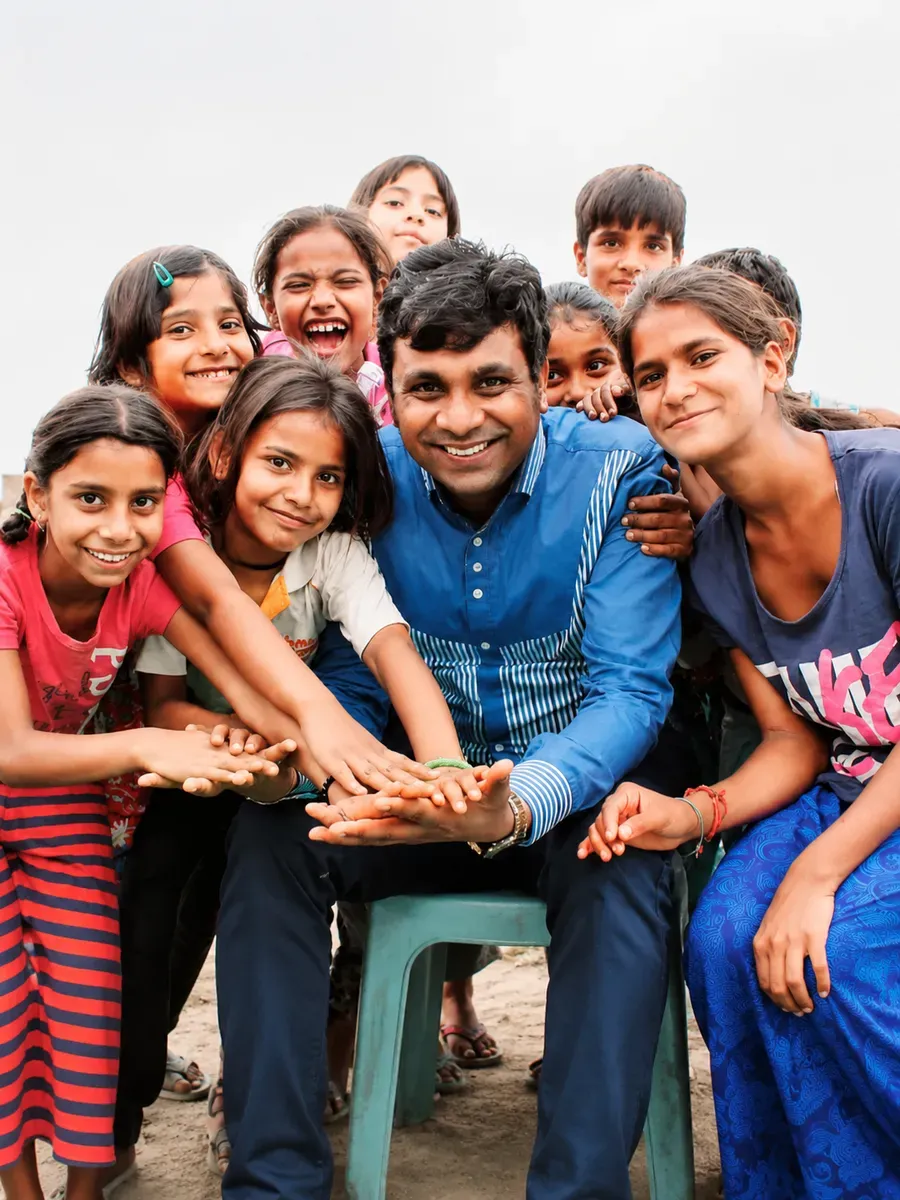
This isn't some educational fantasy. This is the reality crafted by the Turning Pages Foundation, a non-profit founded by sisters Bunty and Madhuri Pai, and their cousin Nayana Pai. They're on a mission to transform how children in India's tribal and coastal belts feel about reading — from a chore to an absolute joy.
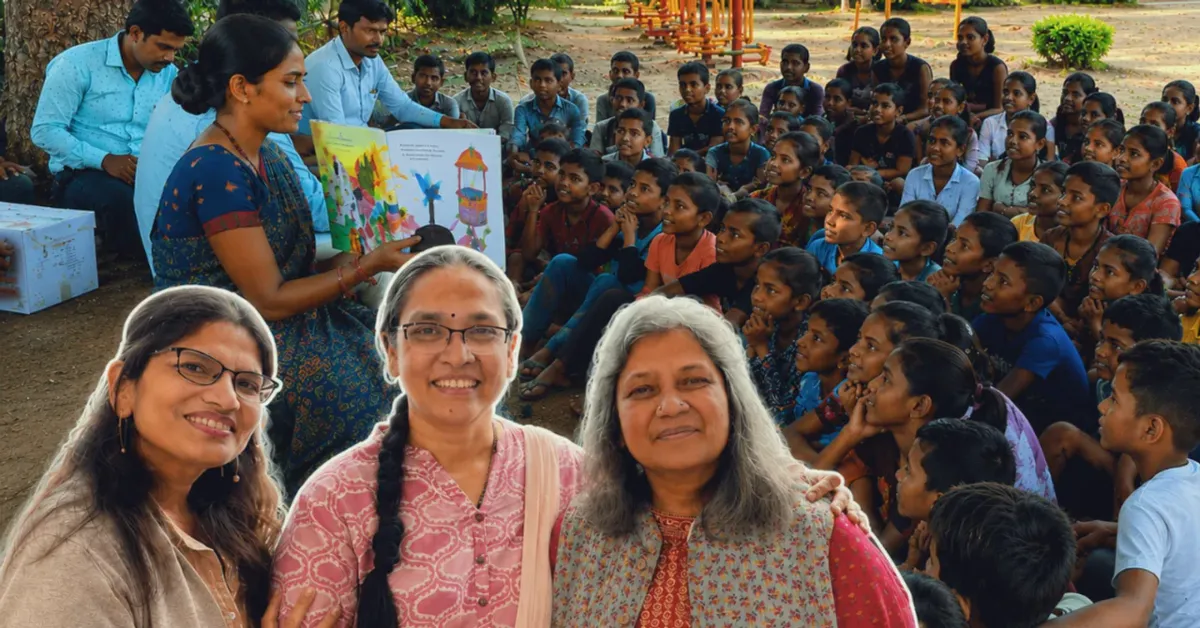
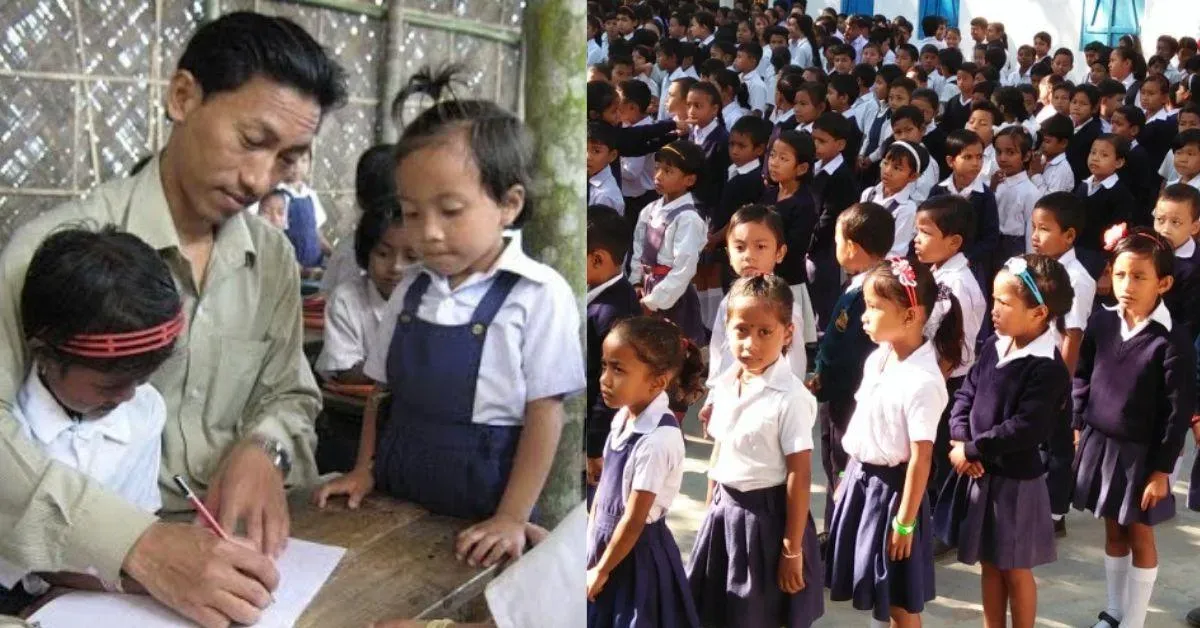
Operating in 12 schools across Maharashtra, Karnataka, Tamil Nadu, and Madhya Pradesh, they've reached nearly 8,000 students and 150 teachers. Their secret weapon? Almost 15,000 physical books for schools that often had none, combined with a radical shift in philosophy: reading isn't about grades; it's about delight.
We're a new kind of news feed.
Regular news is designed to drain you. We're a non-profit built to restore you. Every story we publish is scored for impact, progress, and hope.
Start Your News DetoxRethinking Reading, One Story at a Time
Across India, a surprising number of Grade 5 students can't comfortably read a Grade 2-level text. The problem, according to Turning Pages, isn't just a skills gap. It's an emotional one. By the time books become tied to exams, they're a source of anxiety, not adventure. Madhuri Pai puts it simply: children naturally love stories; the issue is turning reading into a forced activity instead of an enjoyable one.
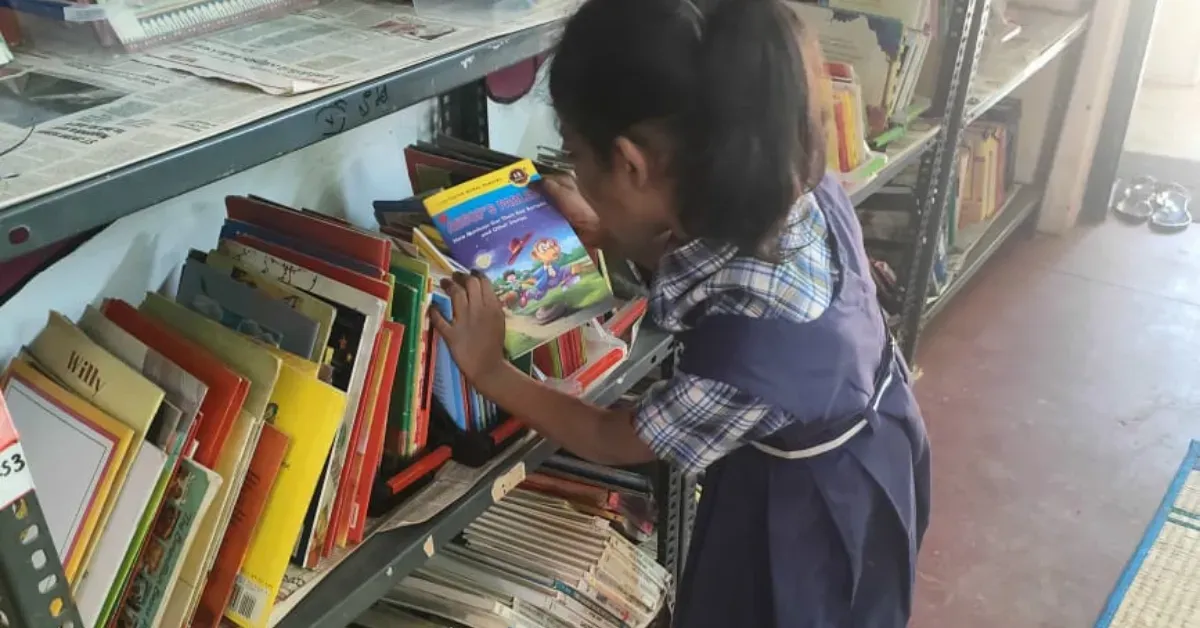
So, instead of drilling for tests, the foundation builds a "whole-school reading culture." Books aren't just in the library; they're in classrooms, hallways, and going home with kids. It's an ecosystem where reading is as natural as breathing, which, if you think about it, is a pretty profound shift for any education system.
The genesis of this idea came from the sisters' own book-filled childhood in Mangaluru. Reading was comfort, joy, conversation — never homework. Bunty, a former journalist, and Madhuri, who ran children's book clubs, teamed up with Nayana, a software engineer rethinking her career after becoming a mom. They piloted a program in Mumbai in 2017, and by 2020, launched the foundation, even as the world went into lockdown. Because apparently, even a global pandemic can't stop a good story.
Their program is designed to include everyone, even children with learning disabilities or autism. Participation isn't just about decoding words; it's about listening, drawing, acting, and discussing. It's about making sure every child feels seen and heard within a story.
Beyond the Bookshelf: Building a Culture
Turning Pages doesn't just drop off boxes of books. They audit schools, train teachers, and demand a commitment to change. Schools introduce a daily 20–30 minute "Drop Everything And Read" (DEAR) period. Yes, everyone drops everything and reads — teachers, principals, even the security guards. There's also a weekly double period dedicated solely to joyful reading, not textbooks. Teachers get 40 minutes of mentoring a week. It's a full-court press on making reading irresistible.
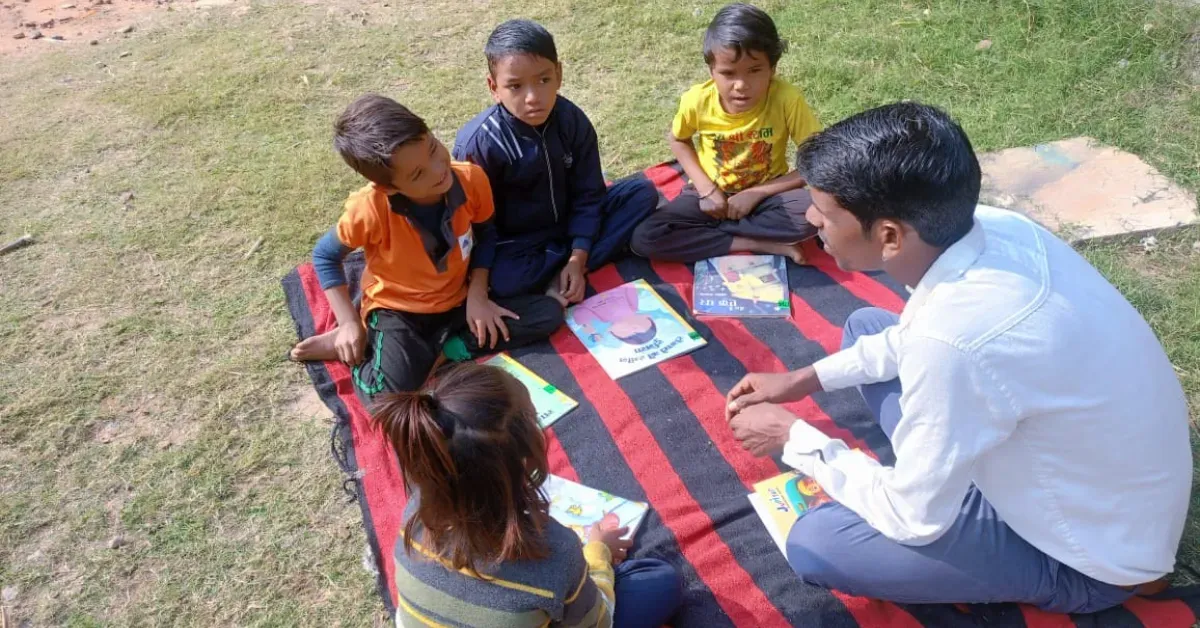
Teachers are trained not just to read, but to perform. They learn how to hold a book so everyone can see the illustrations, how to use pauses for dramatic effect, and how to create emotionally safe spaces where kids can question characters, predict endings, and connect stories to their own lives. It's a far cry from the traditional "read this chapter, answer these questions" model. As one teacher, Amalorpavamary, observed, her students started counting distances everywhere after reading about a blind boy who did the same. That's real engagement.
And it's not just the kids. Teachers themselves are rediscovering the joy of reading. Mentor Pallavi Mallya noted teachers asking for book recommendations for their own reading. Because if the adults aren't excited about stories, why should the children be?
At SSVM Hippocampus School in Karnataka, the principal remembers when they had 12 books. Now they have nearly 3,000. Every morning, the entire school reads. Older students, not even officially in the program, are asking to join storytelling sessions. Kids are borrowing books to take home, and one Class 3 student, Mishika, says reading is her favorite time. Another admits he usually falls asleep in class but stays awake for storytelling because his teacher makes it fun. Let that sink in.
For children who struggle in traditional classrooms, the impact is particularly profound. A child with learning disabilities, unable to read fluently, could remember an entire story and confidently participate in a skit. A child with autism, often disengaged, became calm and attentive during storytelling. The program measures success not by test scores, but by whether children voluntarily pick up books, finish lunch early to read, or call reading their favorite part of the day. Which, if you think about it, is a much better metric for lifelong learning.
This love for stories is even making its way home. Parents, some with limited literacy themselves, are attending read-aloud sessions and finding their own childhood memories stirred. They're hearing their kids excitedly retell stories, changing the conversations around the dinner table. It turns out, reading isn't just about literacy; it's about memory, affection, and belonging.
Turning Pages isn't just building reading skills; they're building a sustainable culture where schools eventually say, "This is how we function now." Because when children choose to listen, not because they have to, but because they genuinely want to, that's not just education — that's magic.