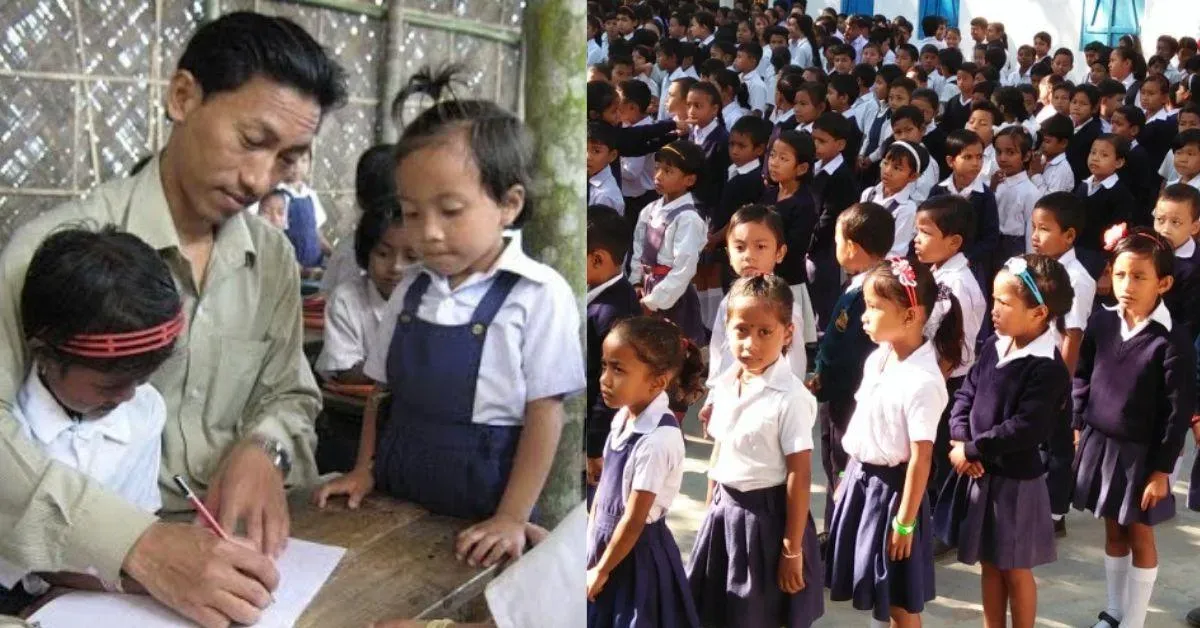
Uttam Teron was, by his own admission, a backbencher. The kind of kid who probably made excellent eye contact with the ceiling during lectures and found teaching "boring." He spent his youth roaming with friends in Pamohi village, Assam, occasionally selling firewood. A perfectly respectable, if unremarkable, existence.
Then he went for a trek. And saw children playing in mud and water, disconnected from... well, everything. A thought struck him, as thoughts often do when you're least expecting them: These children should be at school.
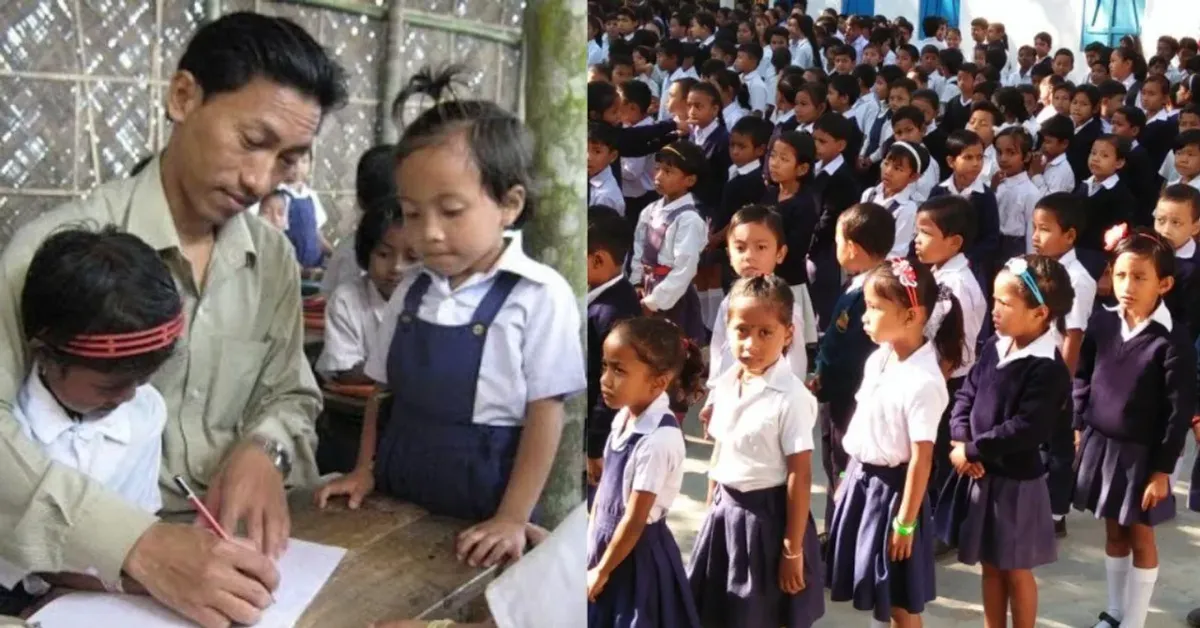
So, naturally, he invited them to his house. Then he cleared out his cowshed, turning it into a classroom. His mother started cooking for them. Because apparently, that's what you do when you're a former backbencher with an unexpected vision.
We're a new kind of news feed.
Regular news is designed to drain you. We're a non-profit built to restore you. Every story we publish is scored for impact, progress, and hope.
Start Your News DetoxFrom Cowshed to Curriculum
In 2003, this impromptu cowshed academy officially became the Parijat Academy. It started with four children, a mere Rs 800 (about 10 bucks), and a name inspired by a flower symbolizing innocent kids needing nurturing. Today, it serves nearly 400 children from 20 villages, boasts 22 trained teachers, and has a hostel for 60 students from remote areas near the Assam–Meghalaya border. That's a serious glow-up for a cowshed.
Uttam, a BSc graduate, initially thought his little school would be a temporary fix until the kids could get into government schools. But then he saw the trust, the sheer hope in the eyes of low-income families. And just like that, temporary became permanent. Responsibility, it seems, is a powerful motivator.
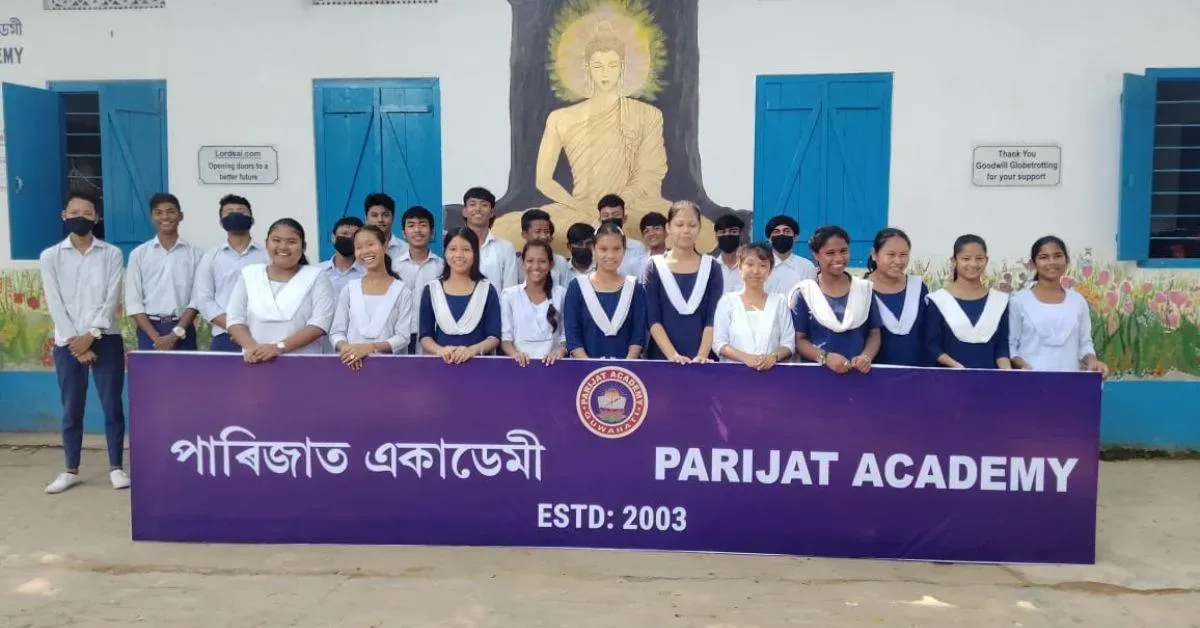
The school, now sprawling across 20,000 sq ft of ancestral land, is affiliated with the Assam state board, teaching everything from nursery to Class 10. It’s got a library, skill development centers, and a computer lab. Because you can take the kids out of the cowshed, but you can't take the cowshed out of the humble, yet ambitious, beginnings.
Beyond the usual suspects like Assamese, Hindi, English, Social Science, and Maths, Parijat Academy is big on skills. We're talking computer literacy, sewing, sports, dance, and even agriculture. Students in Class 8 learn weaving on handlooms, crafting cotton and silk sarees and shawls. Because apparently, learning to code and learning to weave are equally important for a well-rounded future.
Girl students even stitch reusable cloth sanitary pads, which not only provides them with income but also addresses a critical need. And yes, the boys are educated about menstruation too. Because knowledge is power, and also, just good manners.
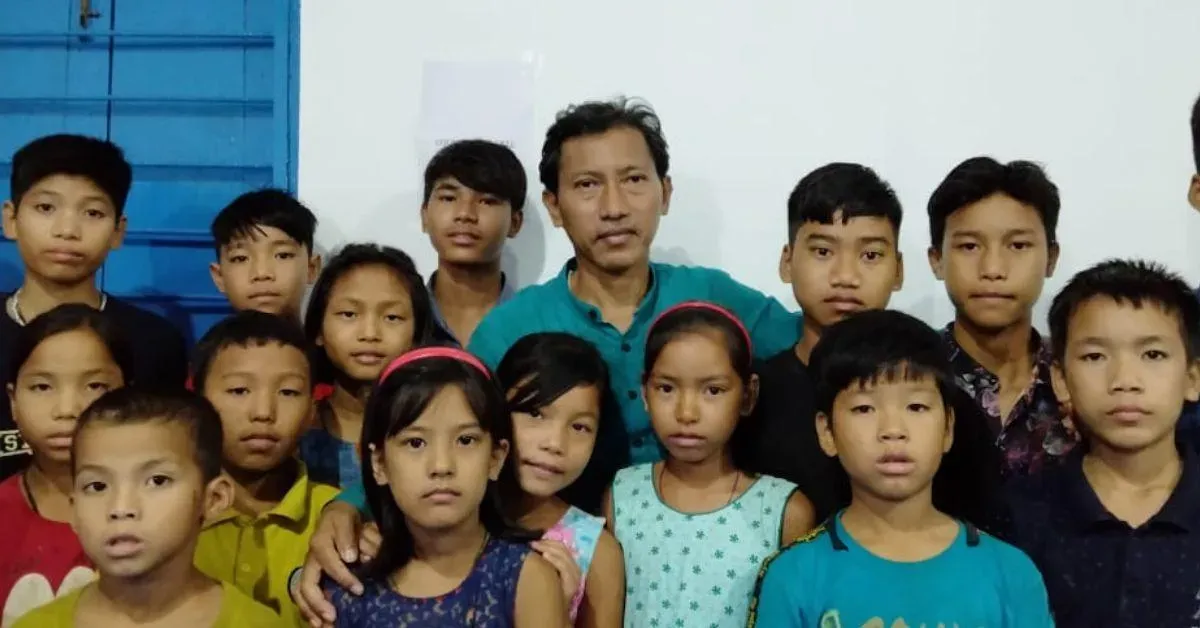
The academy also offers drama, survival training, and trekking. These aren't just fun extras; they're why kids often choose Parijat over government schools. Uttam proudly points out that his students have traveled to places like Mohali, Goa, and Puducherry for school programs. Which, if you think about it, is both impressive and slightly terrifying for a school that started in a cowshed.
Manju Bongjang, from Garbhanga Ulubari village, is a prime example. She went from Class 2 to Class 10 at Parijat, lives in the hostel with her younger brother, learned stitching and weaving, and now makes about Rs 1,000 a month making sanitary pads. She just scored 66% on her board exams and is now in junior college, hoping to become a teacher herself.
The Million-Dollar Happiness
Running a school on a shoestring budget is, predictably, a constant hustle. Uttam sends about 100 emails to institutions and organizations, and gets two or three responses. It costs about Rs 400 a month to educate one child, and he's constantly scrambling for funds for salaries and expenses. But, as he says, "there is no turning back."
He's received awards like the CNN IBN Real Heroes Award and the Karmayogi Award. He collects pencils, old school bags, books, clothes, blankets, computers, and even green vegetables and rice. Basically, if it helps run a school, Uttam will take it.
"I have no selfish motive here; I do not earn profit from this," he concludes. "But this work gives me happiness worth a million dollars." Because watching underprivileged kids get an education and a shot at a life of dignity? Turns out, that's better than any backbencher's daydream.