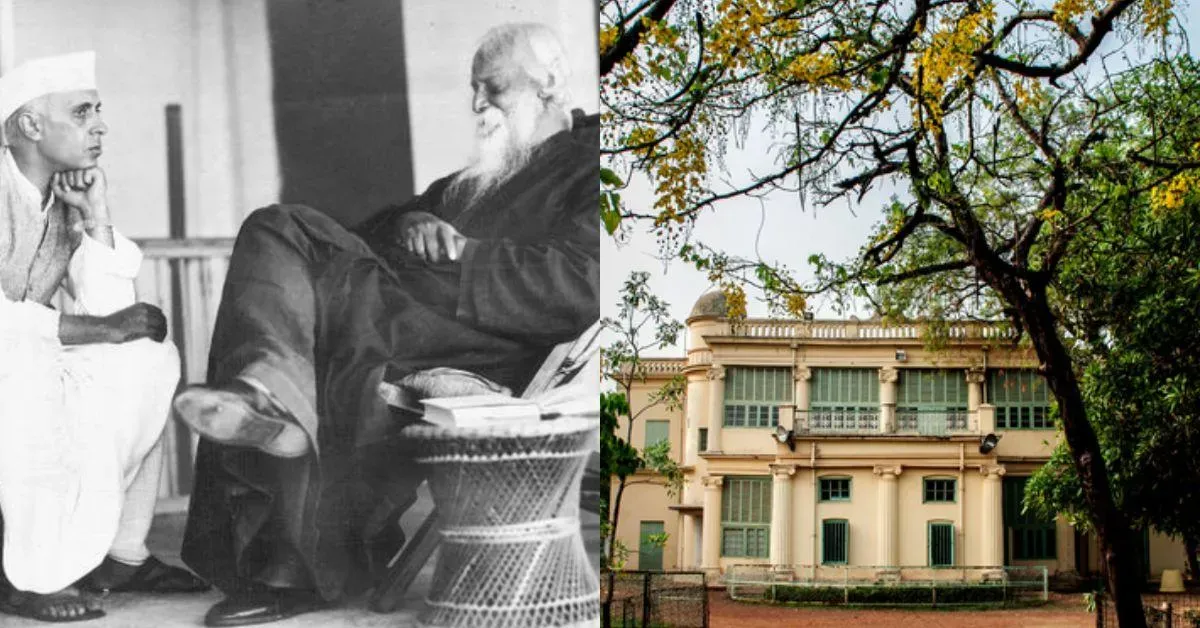
Imagine a place so serene, so utterly dedicated to transcending the usual human squabbles of religion and caste, that a literary giant called it his "life's best treasure." That's Santiniketan, the university town in West Bengal, India, founded by the legendary Tagore family. And after a 13-year wait, it's finally getting its moment in the UNESCO spotlight.
This isn't just about a pretty campus; it's about a philosophy. Rabindranath Tagore, India's first Nobel laureate, envisioned an education that spilled out of stuffy classrooms and into the open air. A place where learning was a "permanent adventure of life." Which, let's be honest, sounds significantly better than most of our high school experiences.
From Dacoits to Dreamers
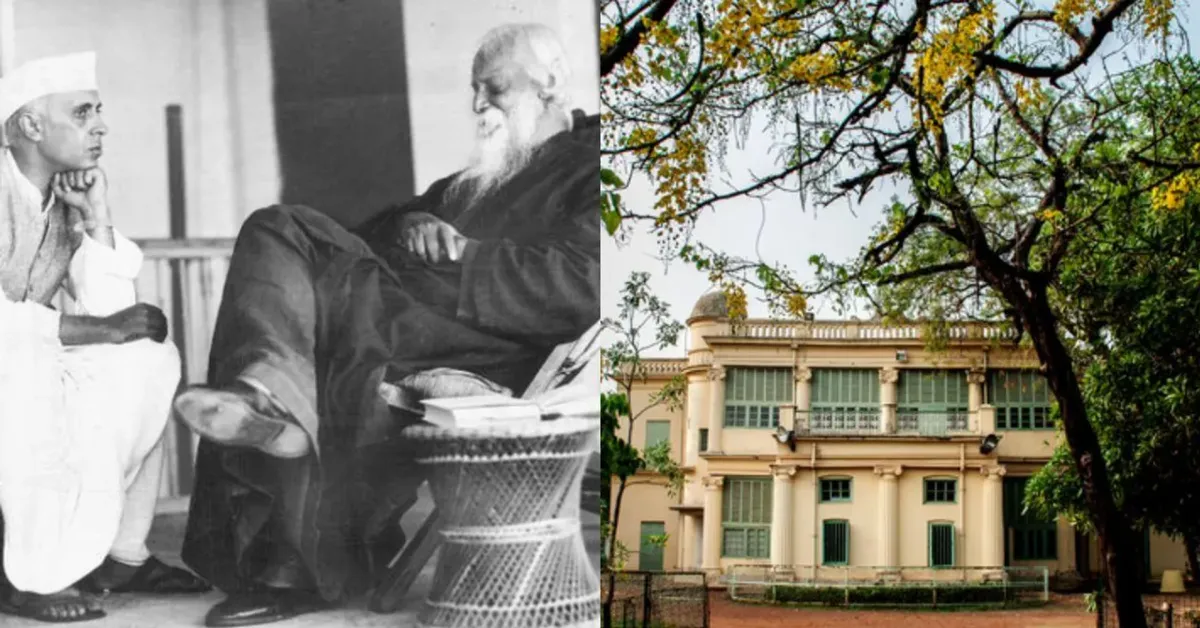
The story of Santiniketan starts in the 1860s, when Rabindranath's father, Debendranath, stumbled upon a patch of red earth shaded by two magnificent Chhatim trees. He leased 20 acres, built a guesthouse, and christened it Santiniketan: "abode of peace." Apparently, the local dacoits (think old-school bandits) were so charmed by his vision, they laid down their arms and helped him build the place. Because apparently that's where we are now: even outlaws appreciate a good educational philosophy.
We're a new kind of news feed.
Regular news is designed to drain you. We're a non-profit built to restore you. Every story we publish is scored for impact, progress, and hope.
Start Your News DetoxDebendranath's trust deed for the land was ahead of its time, insisting on worship of the formless, no idols, and — crucially — no insults to any religion or deity. Take notes, modern internet.
Rabindranath, who had a brief, degree-less stint studying law in London, returned to India with a unique blend of East and West. He believed education shouldn't be confined to rote memorization but should be an immersive, experiential journey.
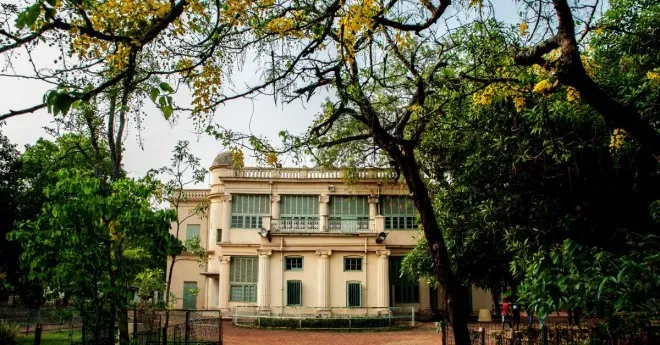
In 1901, he started a school called Brahmacharyashram with just five students, aiming to develop the mind like the ancient Indian tapovan (forest hermitages). By 1921, it evolved into Visva Bharati, a formal university. The name itself, a "confluence of the world with India," pretty much sums up his ambition: a global hub for studying humanity, free from borders.
Visva Bharati was also a pioneer in coeducation in India, a concept practically unheard of at the time. Teachers asked questions instead of just lecturing, encouraging students to think for themselves and, you know, actually have thoughts. It was all about intellectual self-reliance and freedom, a stark contrast to the rigid systems of the day.
Santiniketan Today
Today, Visva Bharati still clings to many of Tagore's ideals. Thousands of students still study under trees and cycle around the sprawling campus. Historic buildings double as both tourist attractions and student facilities. It remains a melting pot of cultures, genders, and beliefs, much like Tagore intended.
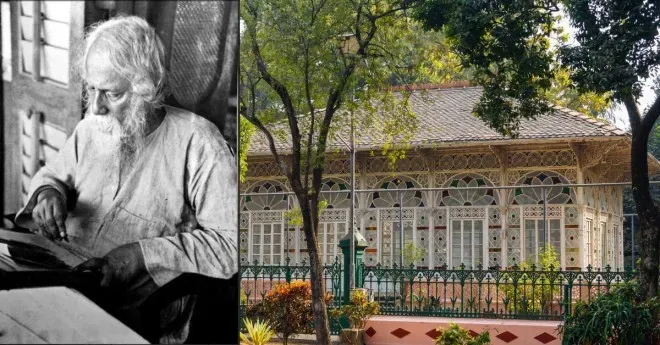
Its alumni list reads like a who's who of Indian luminaries: filmmaker Satyajit Ray, Nobel laureate Amartya Sen, former Prime Minister Indira Gandhi, and Maharani Gayatri Devi. Even India's national emblem got its start at Visva Bharati's art school, Kala Bhavan.
Beyond the academic hustle, Santiniketan boasts Rabindra Bhavan, a museum dedicated to Tagore's vast collection of letters, manuscripts, and art. The Uttarayana Complex showcases five homes built by Tagore himself, demonstrating sustainable architectural practices that rural India still uses. And every year, the Poush Mela celebrates the harvest season, a vibrant peek into rural Bengali culture.
Tagore wrote some of his most profound works here, including 'Chitto Jetha Bhayshunyo' (Where the Mind is Without Fear), a poem that perfectly encapsulates his vision for a "new and awakened India." It was also here that he learned he'd won the Nobel Prize. Let that satisfying number sink in.
Santiniketan, with its blend of ancient Indian wisdom and global insights, was truly a "vessel, carrying the cargo of [his] 'life’s best treasure'." And now, the world is officially taking note. Which, if you think about it, is both impressive and slightly terrifying for anyone who prefers their education to remain firmly indoors.