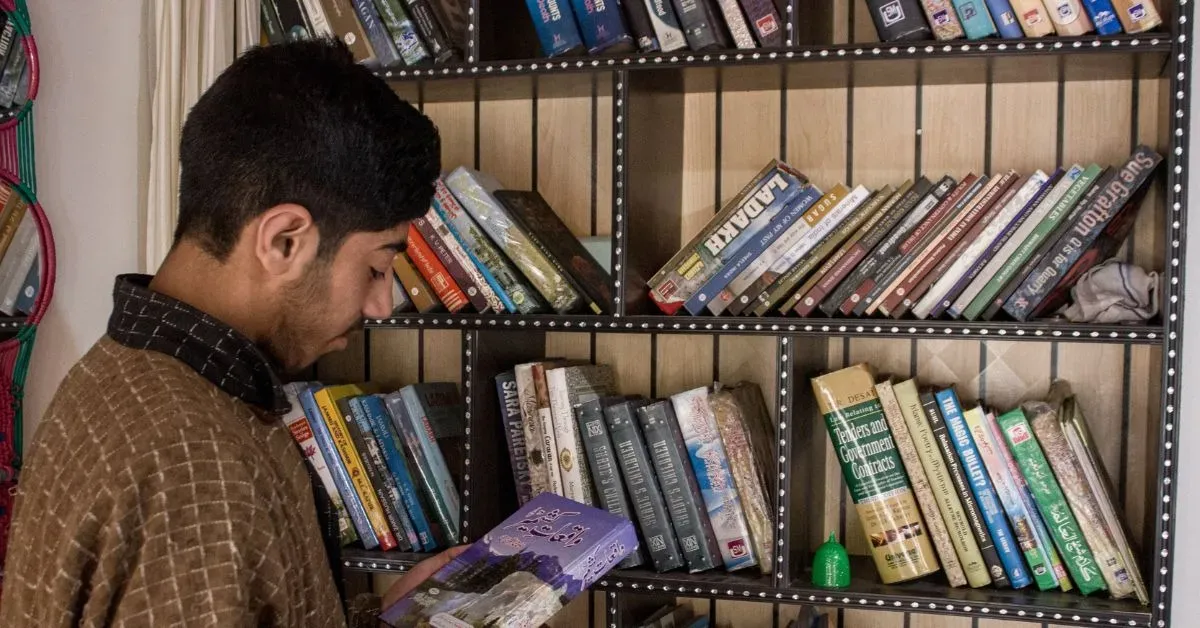
In north Kashmir's Aragam village, 16-year-old Irfan Ahmad used to be a school dropout, his studies cut short after Class 6 because, well, life. And books? They were about as common as a quiet Tuesday on the internet.
Fast forward a few years, and Irfan is now devouring everything from Kashmiri history to Urdu fiction, his younger siblings hanging on every word. He's not just reading; he's dreaming of competitive exams and a future that felt impossible just recently. "Earlier, I felt my studies had ended forever," Irfan shared. "Now, when I read, it feels like I am still learning."
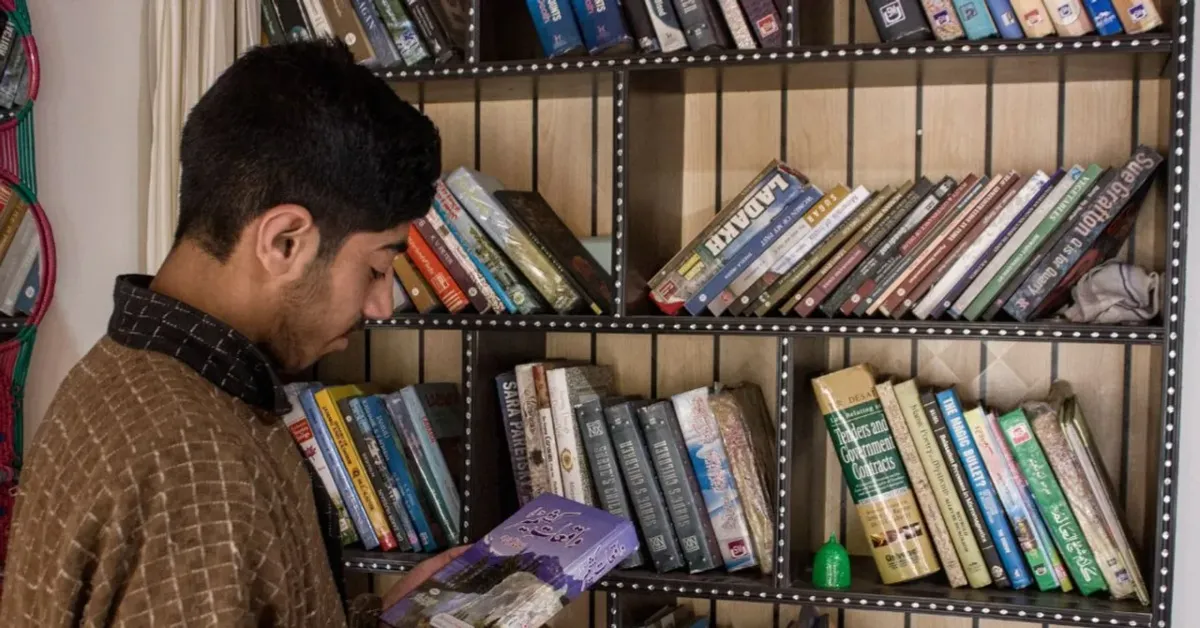
Aragam, once defined by its remoteness and the echoes of conflict, is quietly transforming into Kashmir's first "Book Village." Forget grand, imposing libraries. Here, the libraries are the homes. And the impact is, frankly, astounding.
We're a new kind of news feed.
Regular news is designed to drain you. We're a non-profit built to restore you. Every story we publish is scored for impact, progress, and hope.
Start Your News DetoxThe Accidental Revolution of a Book Village
Aragam was always a tough spot for education. Remote, limited opportunities, and the kind of poverty that makes textbooks a luxury. But a 2014 idea from the Sarhad NGO in Pune, India, changed the script. They wanted to create a "book village" in Jammu and Kashmir. After some reconnaissance near Wular Lake, Aragam was chosen. Turns out, the community was more than ready for a new chapter.
Instead of one central building, they went rogue: each participating home would specialize. One house might be the go-to for fiction, another for history, a third for children's books, and a fourth for competitive exam prep. It's a "community library without walls," as the locals call it, and it’s brilliant.
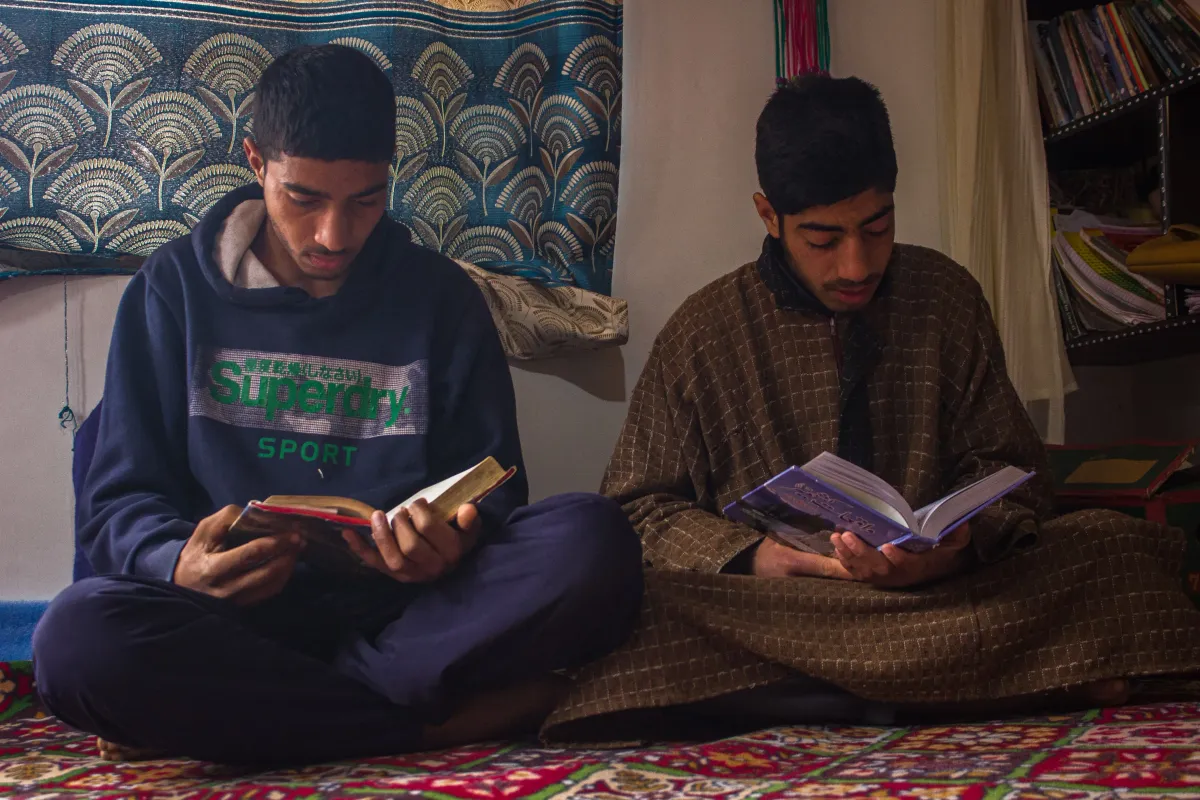
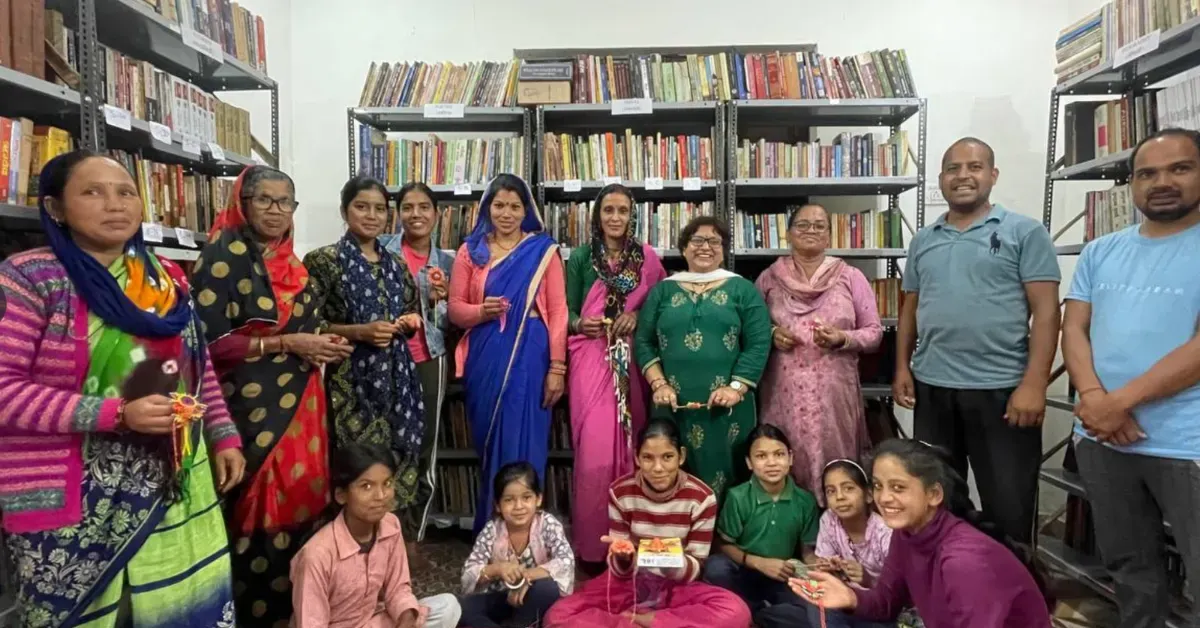
Mud-plastered homes, once a symbol of isolation, now house wooden shelves brimming with thousands of books. They cover Kashmiri literature, local history, environmental topics, and all the academic subjects you can imagine. Villagers manage the lending system themselves, fostering a shared ownership that keeps the whole thing humming.
Suddenly, kids like Shahid, 19, who left school after Class 6, are reading at home and narrating what they learn to parents who listen with rapt attention. "It feels like I am going to school again," he says. Parents, who once watched their children wander aimlessly, now see them engrossed in books, their evenings filled with stories instead of silence.
From Storytelling to Reclaiming Identity
Aragam has always had a rich oral storytelling tradition. Now, books are adding a whole new dimension. Evenings are no longer just for shared talks; they're for shared reading. "Earlier, we used to tell stories from memory," said Iqbal Ahmad, a resident. "Now our children read from books and narrate those stories to us. It has brought back storytelling in a new way."
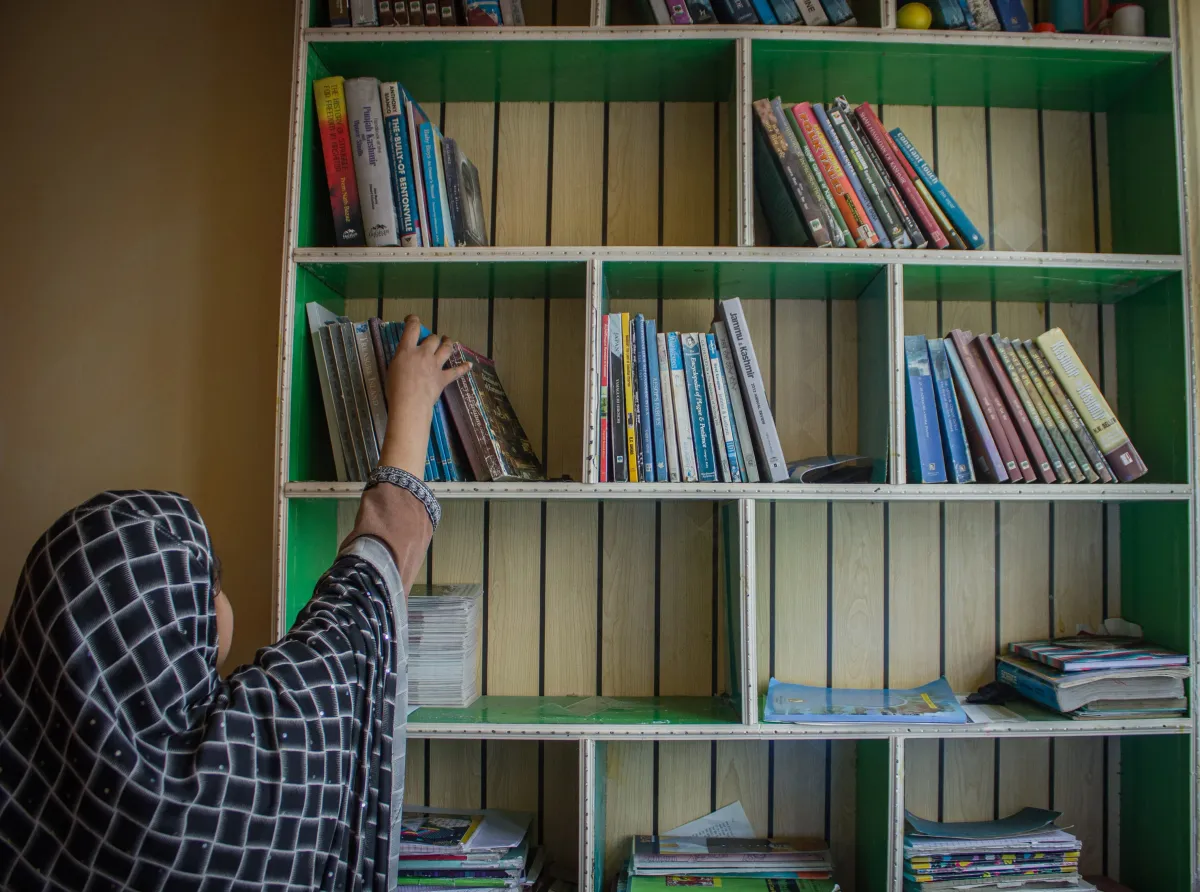
This isn't just about individual kids reading. It's about a community reclaiming its identity. Bandipora district, where Aragam sits, has a history of poets and writers, but villages like Aragam were often left out. Now, students proudly declare their village is known for both poetry and books. Those shelves, filled with tales of Kashmir's history and the wonders of Wular Lake, are more than just storage; they're symbols of a future being rewritten.
As the cool winds drift from the Harmukh mountains, you'll find Irfan outside his home, a borrowed book in hand, younger children gathered around him. "Before this, our village was known for its past linked to violence," Iqbal Ahmad observed. "Now, the narrative has changed. Children are reading, learning, and thinking about their future."
Evenings that were once empty are now alive with the rustle of pages, the murmur of stories, and the quiet hum of possibility. One shelf at a time, Aragam is building a new legacy, not through grand pronouncements, but through the simple, profound act of putting books in every home. And if that's not a story worth telling, we don't know what is.