Ever feel like your body is secretly tattling on you? Turns out, it might be, especially if you're skimping on sleep. Researchers have just discovered that a single saliva sample can reveal whether you've been burning the midnight oil, which, if you think about it, is both impressive and slightly terrifying.
This isn't just about confirming what your dark circles already scream. This breakthrough could be a game-changer for road safety and high-stakes jobs where a lapse in focus can have serious consequences. Because apparently that's where we are now: your spit knows your sleep schedule better than you do.
Your Saliva, The Sleep Snoop
We all know sleep is crucial, yet roughly a third of people in Switzerland alone report sleep disorders. Young people and women between 15 and 39 are particularly hit, which sounds about right given the demands of modern life (and the internet).
We're a new kind of news feed.
Regular news is designed to drain you. We're a non-profit built to restore you. Every story we publish is scored for impact, progress, and hope.
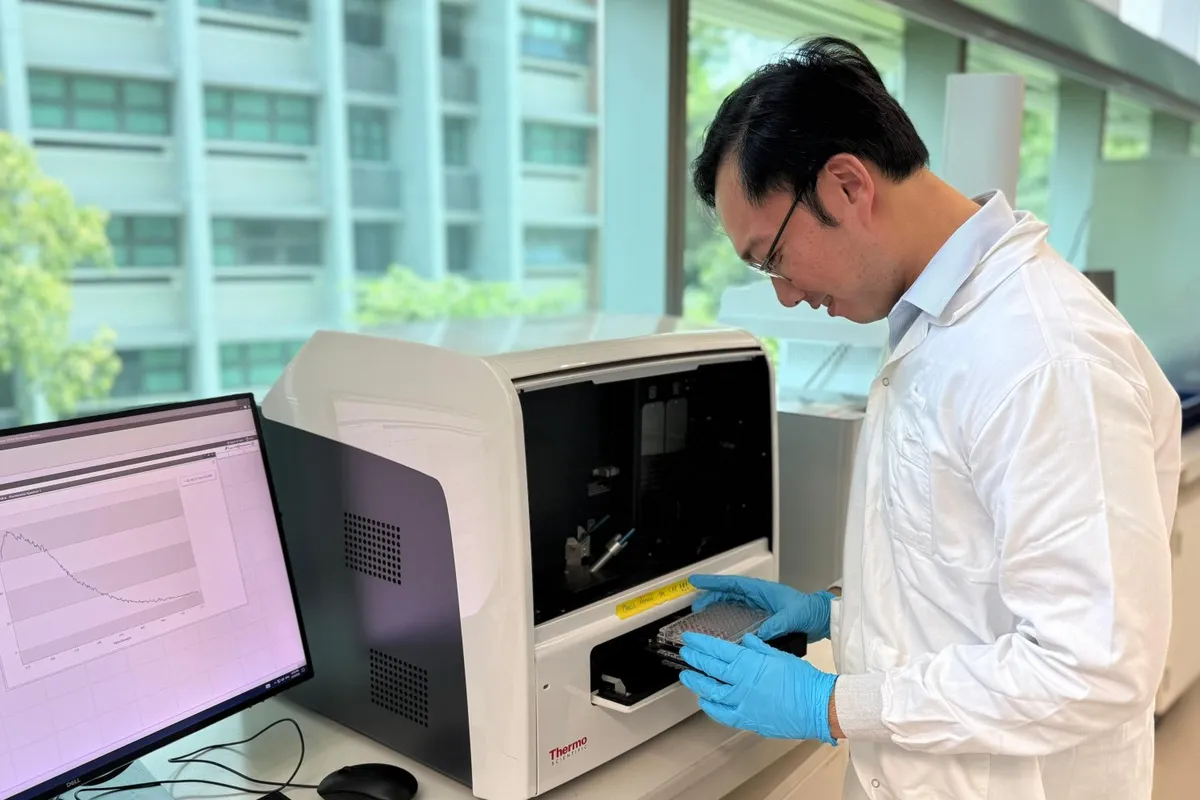
Start Your News DetoxDespite how common sleep deprivation is, scientists haven't had a direct way to measure it in body fluids – until now. A team from the University of Zurich (UZH) decided to see if your mouth could spill the beans. Thomas Krämer, a professor at UZH, called this a "milestone for forensic research," noting it's the first time they've found direct, real-world signs of sleep deprivation in saliva. Let that sink in.
To prove it, they put 20 healthy young men through a sleep gauntlet:
- One night with absolutely no sleep (ouch).
- Four straight nights with a mere six hours of sleep.
- A control period with their usual, glorious eight hours.
Then, they took saliva samples. Using some seriously advanced molecular detective work, they pinpointed patterns linked to insufficient sleep. Michael Scholz, the lead author, observed that acute sleep deprivation messes with about 10% of all molecules in saliva. The real trick, he explained, was finding the specific molecules that reliably shout, "This person needs a nap!" They landed on 10 such biomarkers.
Now, the project is scaling up for a larger international study, testing these biomarkers against real-life variables like shift work, alcohol consumption, and medication. The end goal? A quick, on-the-spot test that could tell if someone is too tired to drive or operate heavy machinery. Because sometimes, a cup of coffee just isn't cutting it, and your spit will be the first to know.