Laraine Chung found a tumor behind her left eye last year. Doctors could not identify its type, meaning she faced complex surgery that could have caused her to lose her eye and affect her brain and face.
The 63-year-old carer from Peterborough had Whole Genome Sequencing (WGS) at Addenbrooke's Hospital in Cambridge. This test changed her outcome.
WGS analyzes a patient's DNA to identify cancer types and causes. In Chung's case, it revealed a benign meningioma. This meant she needed less extensive surgery.
We're a new kind of news feed.
Regular news is designed to drain you. We're a non-profit built to restore you. Every story we publish is scored for impact, progress, and hope.
Start Your News Detox"Without the test, I would have needed much more complex surgery," Chung said. "Getting the genetic results made everything clear."
New Way to Preserve Samples
WGS is available on the NHS for all children with cancer (up to age 25) and some adults. This includes those with advanced ovarian cancers, triple-negative breast cancers, certain sarcomas, blood cancers, and cancers of unknown origin.
However, some patients cannot access WGS. This is because tissue samples degrade quickly unless frozen. Not all hospitals have the equipment to freeze samples for transport to testing labs.
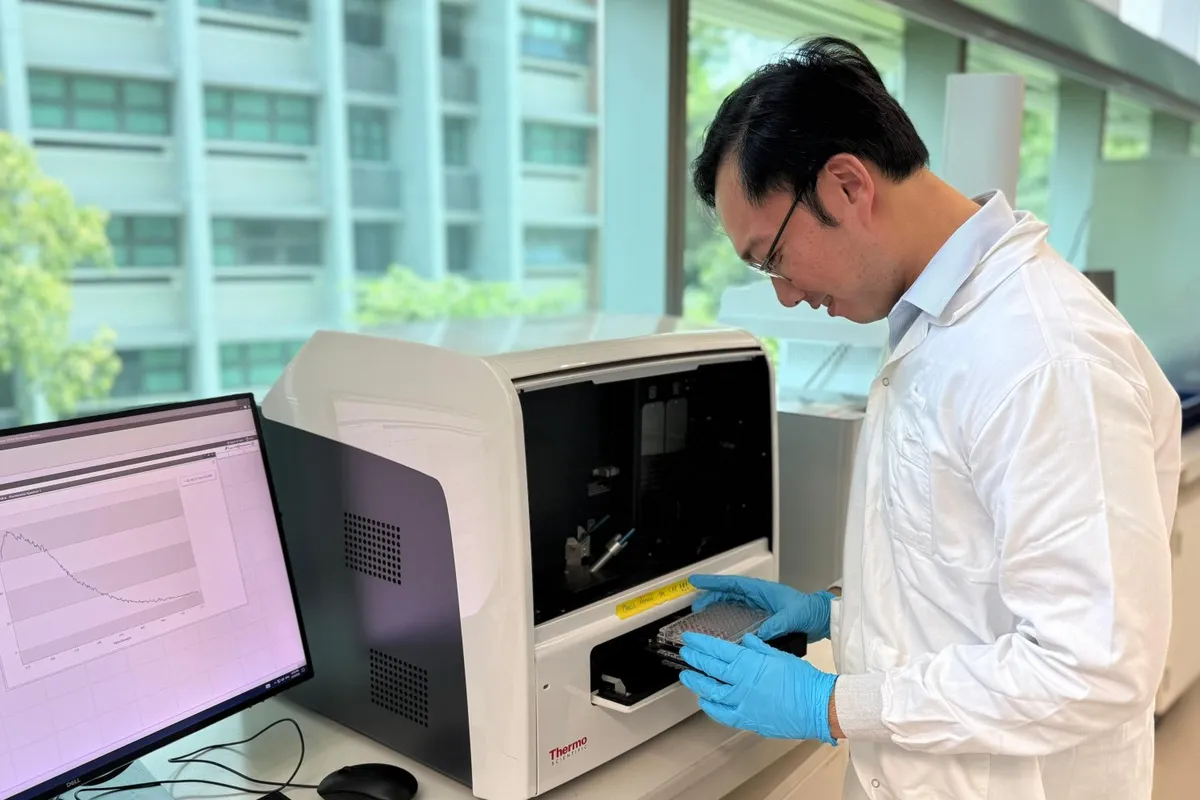
Now, Addenbrooke's Hospital has developed a new method. It allows samples to be preserved in a special solution and transported at room temperature. This means more patients can access WGS.
Expanding Access to Testing
This new technique launched across the East of England at the end of 2025. It helps patients at hospitals like Queen Elizabeth Hospital King's Lynn, Peterborough City Hospital, and Ipswich Hospital.
Dr. Jeffrey Rubasingham, a consultant clinical oncologist, used the new method in King's Lynn. He called it "game-changing" for patients and clinical practice. It removes the need for freezing and specialized transport. This opens doors to advanced trial therapies.
The process is now nationally approved. It is expected to be used in other regions across England.
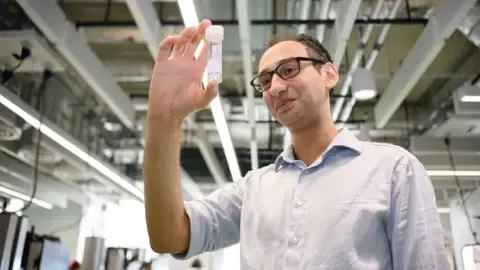
Dr. John Tadross, a consultant molecular pathologist at CUH, led this change. He emphasized the importance of removing barriers to testing. This allows more people to benefit from WGS.
Dr. Tadross and his team received the Royal College of Pathologists Achievement Award 2026 for Sustainability. This recognized the environmental benefits of transporting samples without freezing.