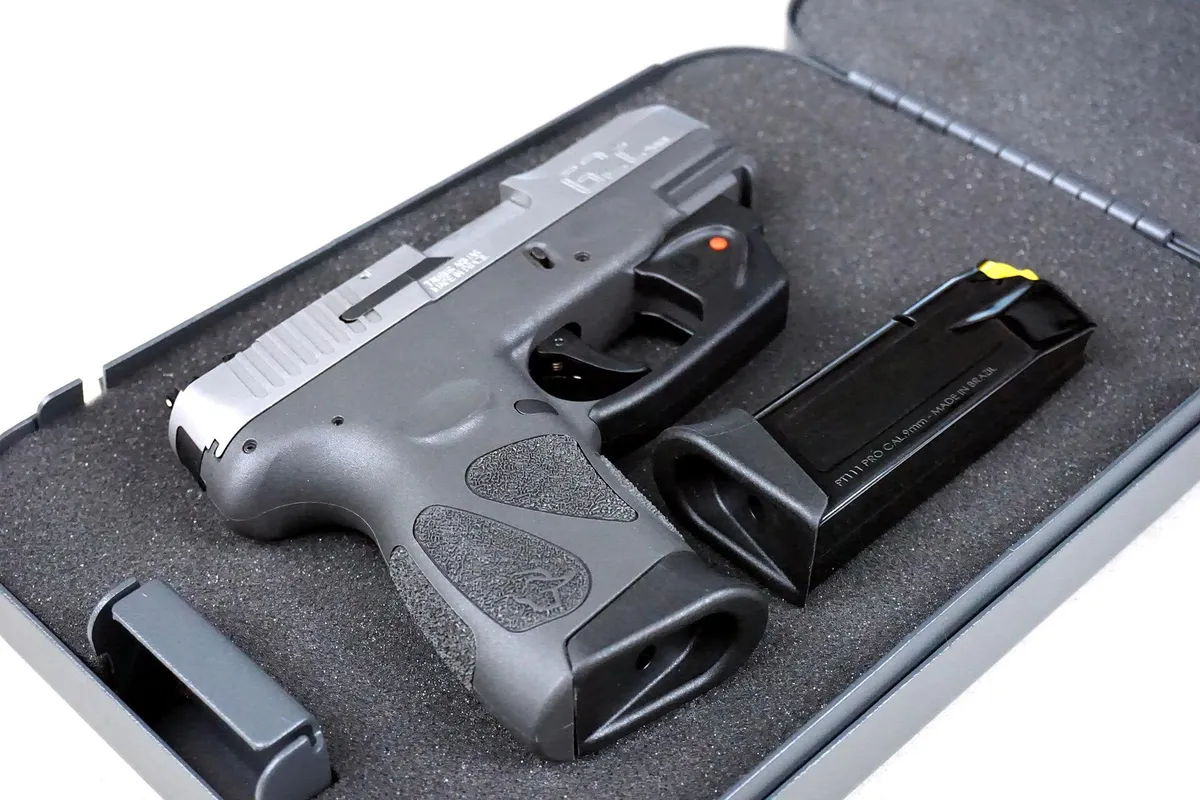
A short conversation about firearm safety can make gun owners much more open to storing their firearms outside the home temporarily. This step could help lower suicide risk during tough times.
A study led by Rutgers found that a program called Project Safe Guard more than doubled the number of participants who changed their minds. These participants initially did not want to store firearms outside the home but became open to it after a 15-minute talk.
Project Safe Guard's Impact
Having easy access to firearms can increase the risk of suicide, especially during times of high stress. One way to reduce this risk is to temporarily make firearms less accessible. This could mean storing them outside the home during a crisis. However, many gun owners are hesitant to consider this option.
We're a new kind of news feed.
Regular news is designed to drain you. We're a non-profit built to restore you. Every story we publish is scored for impact, progress, and hope.
Start Your News DetoxResearchers wanted to see if a brief talk about safer firearm storage could make people more willing to use temporary out-of-home storage during distress.
The study looked at data from 232 members of the Mississippi National Guard. All of them had firearms at home. This data came from an earlier study of Project Safe Guard, which aims to encourage secure firearm storage.
Participants either had a 15-minute Project Safe Guard talk about firearm storage or a similar talk about other health and home safety topics. They were asked about their willingness to have a trusted person temporarily store their firearm if they or someone in their home became very distressed. They answered these questions before and after the talk, and again three and six months later.
The study found that participants who received the Project Safe Guard talk were much more willing to consider temporary out-of-home storage when they themselves were distressed. There was also a smaller increase in willingness when someone else in their household was distressed.
The results were especially clear among those who first said they were completely unwilling to use out-of-home storage. Right after the talk, 56.5% of those who had the Project Safe Guard conversation were at least somewhat willing to store their firearm outside the home. This was compared to 20.8% of those who had the other safety talk.
Michael Anestis, executive director of the New Jersey Gun Violence Research Center at Rutgers and the study's lead author, noted that gun owners are often hesitant to store firearms elsewhere. This is true even when they know a crisis could make having a firearm readily available unsafe. He said these findings suggest that a brief, respectful talk can make people more open to this idea, even those who initially rejected it.
Lasting Effects and Future Steps
The researchers found that the positive difference between the Project Safe Guard group and the comparison group was strongest right after the talk. It became less noticeable over time. Among participants who were initially completely unwilling, 68.4% in the Project Safe Guard group showed some willingness at three months. This was compared to 36.4% in the comparison group. By six months, the difference was smaller and no longer statistically significant.
The authors pointed out that the study measured willingness, not actual use, of out-of-home storage. The study also focused on members of the Mississippi National Guard, so the results might not apply to all gun owners. Also, not all Project Safe Guard sessions included discussions about out-of-home storage, which might have affected the results.
Legal and practical issues for temporary firearm storage also differ by state.
Anestis believes these findings show that safety counseling can help overcome a major barrier to out-of-home storage: getting people to consider it. He added that the next step is to make temporary out-of-home storage easier to access and more familiar to gun owners. This way, increased willingness can lead to actual use during a crisis.
This study builds on earlier research showing that Project Safe Guard can improve secure firearm storage practices at home. Together, these findings suggest that short, voluntary talks about firearm safety can help gun owners think about different ways to reduce firearm access during high-risk times.
Deep Dive & References
Factors Associated With Prioritizing Quick Firearm Access Over Suicide Prevention Among US Adults - Suicide and Life-Threatening Behavior, 2026