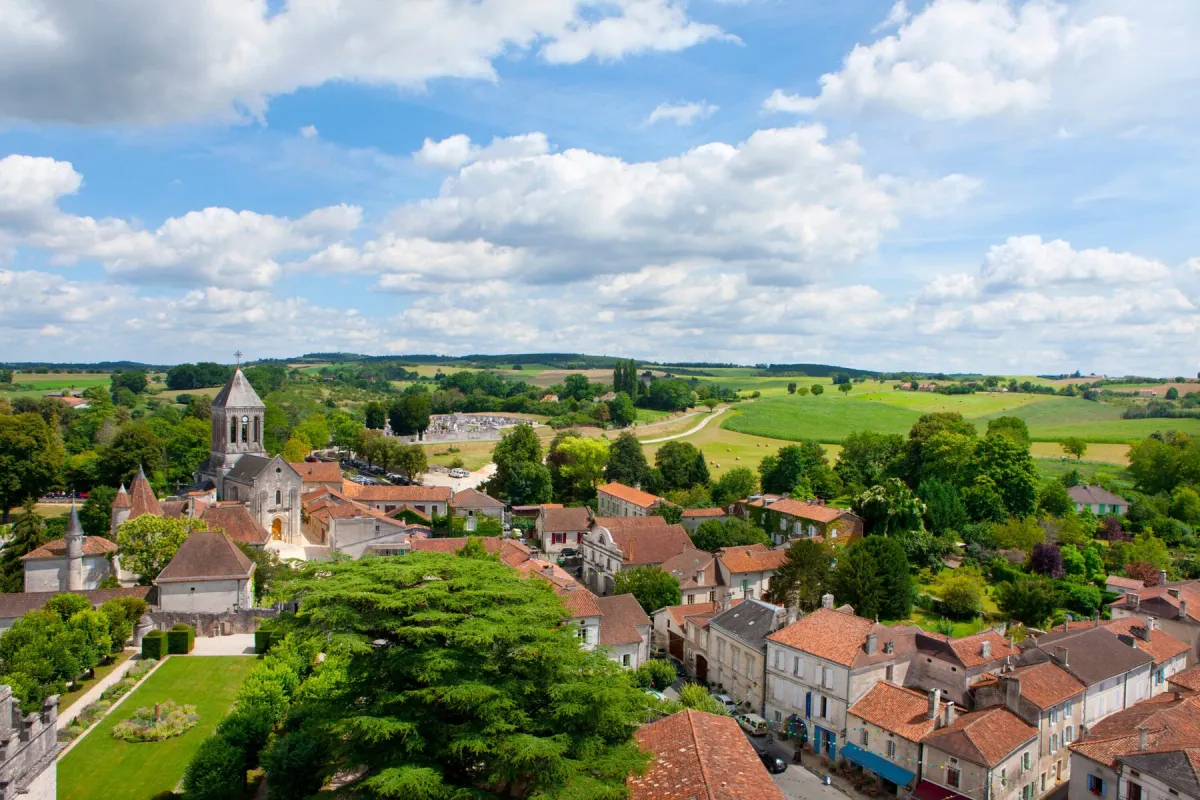
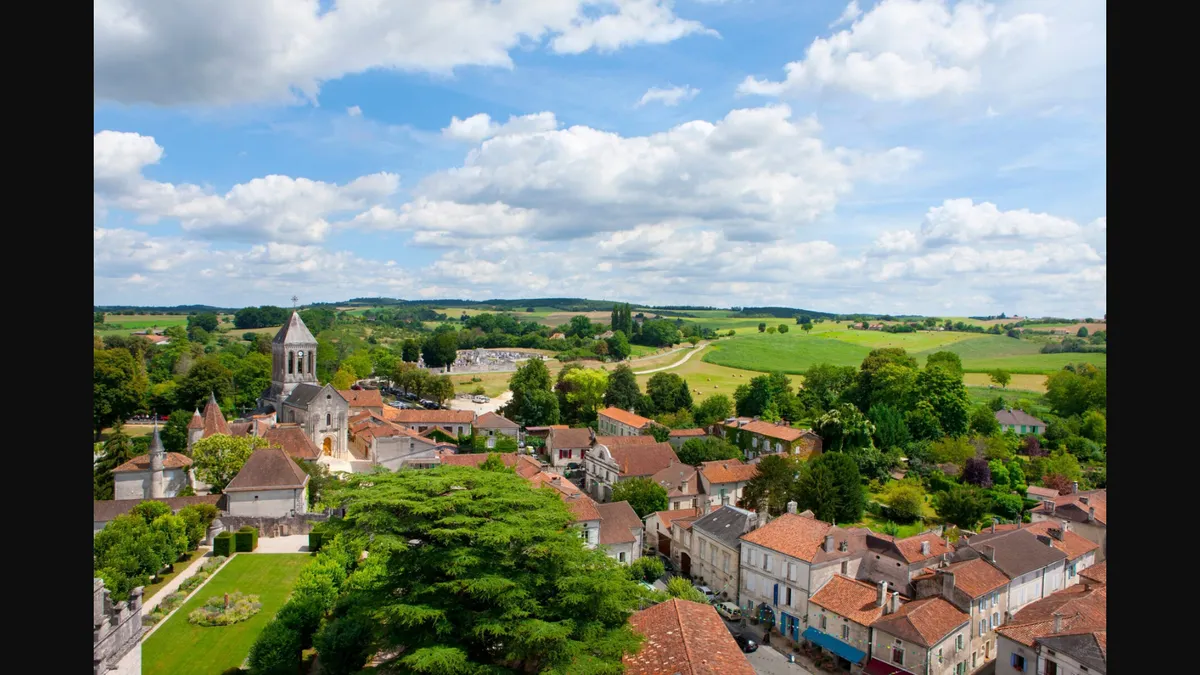
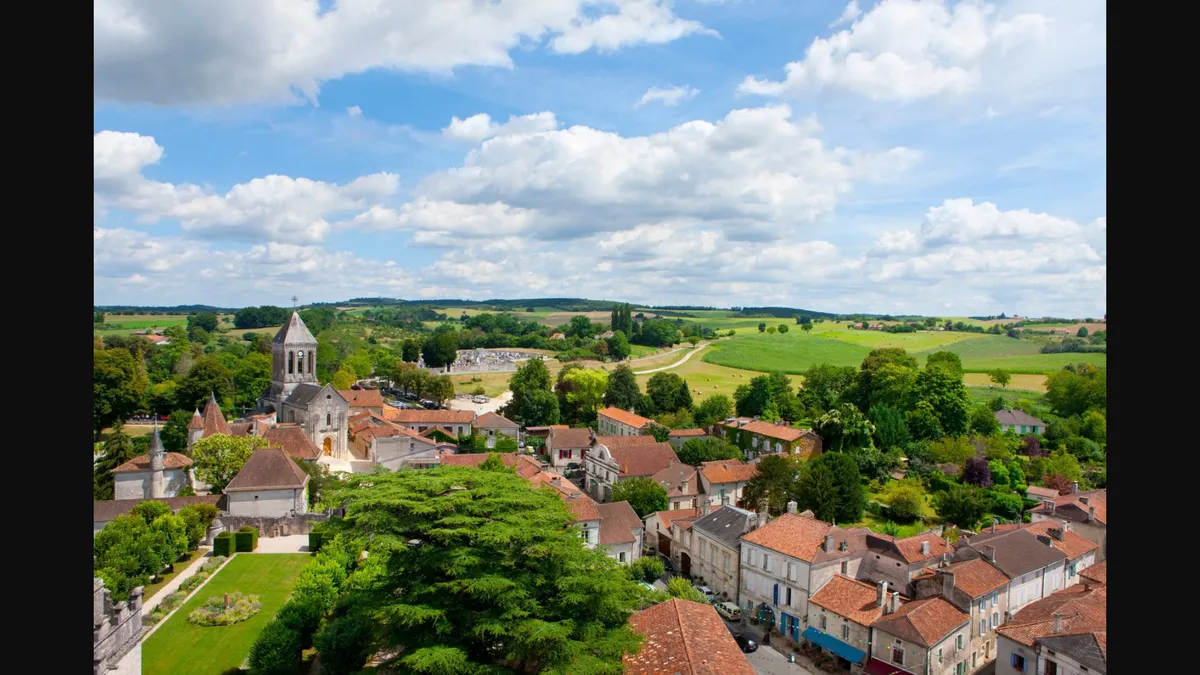
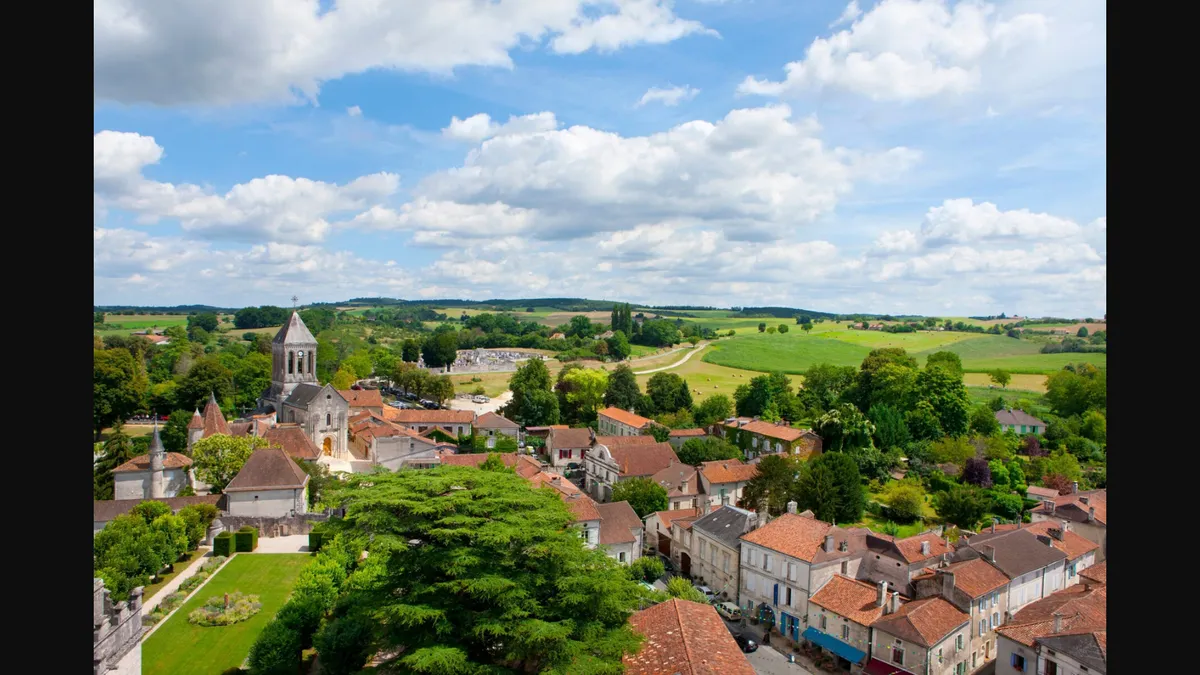
In late 2020, Dr. Jean-Luc Bernard retired after more than 40 years as a family doctor in Ajain, France. It was hard to find a new doctor for the town of 1,000 people. Ajain, in France's Creuse department, is a quiet rural area with two bakeries, a grocery store, a pharmacy, and many farm animals.
Guy Rouchon, the mayor at the time, said the town tried everything to attract a new doctor. They got national media coverage, made promotional videos, and lobbied regional leaders. But nothing worked. Ajain became another "medical desert" in France. These are areas where healthcare services are not enough for the people, often due to a lack of doctors or facilities. In France, this means fewer than 2.5 doctor visits per person each year.
Some Ajain residents found doctors dozens of kilometers away, making it hard to get care. Others, like those with diabetes, could only get help in emergencies. A 2022 report for the French Senate found that 30% of the population lives in a medical desert. It also showed that 45% of general practitioners in France felt burned out. This is a growing problem, with three-quarters of France's departments seeing fewer doctors per person between 2017 and 2021.
We're a new kind of news feed.
Regular news is designed to drain you. We're a non-profit built to restore you. Every story we publish is scored for impact, progress, and hope.
Start Your News Detox"It's a major issue," said Benjamin Montmartin, a professor who wrote a report on medical deserts. He noted that waiting lists for doctors can be months long. In these areas, people with serious problems often have to go to the hospital, sometimes with negative consequences.
France has a well-known healthcare system and more doctors than ever. It ranks in the middle of OECD countries for doctors per person. In 2025, there were about 347 doctors per 100,000 people in mainland France. However, there are big differences between regions. For example, the Eure department had 174 doctors per 100,000, while Paris had 942.
Many high-income countries in Europe and North America face similar issues. This is due to longer life expectancies, more people moving to cities, rural doctors retiring, and a demand for more advanced healthcare. A 2025 report found that over 80% of US counties lack adequate healthcare services.
A Solution Emerges
A few years ago, a solution for Ajain's medical desert problem appeared. In April 2022, Mayor Rouchon received a call from a young doctor with an idea. The doctor, Martial Jardel, proposed "shared time" — recruiting traveling doctors to visit Ajain periodically from better-served areas.
Jardel believed many doctors want to help but younger generations often don't want to commit to living in a quiet rural area. He argued that if doctors could come for just one week without moving their lives, the combined effort would be huge.
"It's about shared time," Jardel explained. "Instead of asking a lot of a few doctors, it's about asking a little of many doctors. Collective human effort is the key resolution."
France has about 100,000 general practitioners. Jardel estimates 40,000 could spare a week. He calculated that 50 doctors contributing a week each could run a health clinic for a year. This led to the creation of Médecins Solidaires, or Doctors in Solidarity.
 Courtesy of Médecins Solidaires
Six months after that phone call, the first Médecins Solidaires health center opened in Ajain in a former elderly care home, provided rent-free by the local government. In its first year, 48 doctors visited Ajain, providing 6,000 consultations and serving 1,200 patients. Since September 2024, Ajain has hosted two doctors a week, increasing patient capacity to 2,500. Total consultations have reached 26,500.
Today, over 1,000 general practitioners have joined Médecins Solidaires, and 15 medical centers have opened across four French regions. Jardel said recruiting these doctors, mostly through word-of-mouth, took a lot of effort.
 Courtesy of Médecins Solidaires
Doctors interested in joining have a short phone call with the team. The nonprofit handles all administration, accommodation, and travel. Doctors are paid €1,000 ($1,153 U.S.) net for their week. They stay in local lodgings and get a car for commuting and house calls.
Dr. Clémentine Labouré, a general practitioner from Paris, joined in February 2023 after seeing a Facebook post. "I thought it was an excellent idea," she said. Labouré now helps launch new centers, spending two weeks at new sites to smooth out processes and interview potential doctors.
 Courtesy of Médecins Solidaires
"Doctors shouldn't be forced to live somewhere they don't want to," Labouré added. "It's unjust. This way, everyone does little by little."
Looking Ahead
Surveys by Médecins Solidaires show that 99% of participating doctors want to return, and half have already come back at least once. None of the 15 health centers have gone a week without a doctor. "It's a great initiative, the needs are very very high," said Montmartin.
Jardel expects Médecins Solidaires to be financially self-sufficient by the end of 2027, when it plans to run 21 health centers. The project currently relies on subsidies and service income. The goal is to involve 10% of France's doctors, enough to run 150 health centers.
"I am very happy, we have found a system that works, but we will need support from the public authorities to expand," Jardel noted.
The model works because municipalities provide free premises and doctors accept lower pay. Médecins Solidaires hopes to improve funding in the future. Even so, health centers become self-financing within a few months after an initial subsidy of about €160,000 ($184,393 U.S.).
One challenge is the weekly handover between doctors, especially for patients with chronic conditions. Montmartin noted that clear patient files are essential.
This initiative might be a short to medium-term solution. France is implementing reforms to increase the number of doctors, which could take over a decade to show results. The National Medical Council estimates that by 2040, France will have 40% more doctors.
Montmartin warned that this system might be hard to use in the US due to licensing rules and large private healthcare networks. He praised Australia's "structured" approach, which includes loan repayment for medical students who serve in rural areas. Australia has also created rural universities and requires some students to complete rural internships.
There is ongoing debate about whether voluntary incentives or mandatory policies are best for getting doctors to rural areas. "It's complex because in some places incentives work better, in others, regulation," Montmartin said.
For now, in rural Ajain, the traveling doctors have brought a working solution. Mayor Rouchon said he would even hesitate if a private doctor wanted to set up a practice there now. "Here we've found something that works," he concluded.