A mother's dream turned into a desperate race against time when her son, Riaan, was diagnosed with Cockayne syndrome. This ultra-rare genetic disorder causes severe health problems and a short life expectancy. For Riaan, doctors predicted he would only live to be five years old.
Riaan was born small and struggled with basic development. He had cataracts as an infant and didn't gain head control until he was a year old. Even at six, he still wore clothes meant for an 18-month-old. His mother, Jo Kaur, was devastated by the diagnosis, not because of his disability, but because she was told he would die young.
Building a Solution from Scratch
Driven by love, Jo decided to take action. She launched the Riaan Research Initiative to find a treatment. She connected with scientists and began a relentless journey of advocacy and fundraising. Through storytelling and generous donors, they raised $4 million. This money helped move a gene therapy from a concept to a clinical trial.
We're a new kind of news feed.
Regular news is designed to drain you. We're a non-profit built to restore you. Every story we publish is scored for impact, progress, and hope.
Start Your News DetoxThe process of drug development was intense. Jo, a lawyer by profession, found herself working day and night with scientific, clinical, manufacturing, and regulatory teams. She particularly enjoyed the review period with the U.S. Food and Drug Administration (FDA). This involved quickly answering clarification questions to avoid a clinical hold. Eventually, they received the exciting news: they were cleared to proceed.
The Difficult Decision
Creating a drug for her own child was strange and challenging. Jo and her husband, Richie, struggled with the decision to give Riaan the therapy. Riaan's disease was advanced, making the benefits less certain. He was also happy and stable, and had never been hospitalized. They worried about the risks of brain surgery, a week-long hospital stay, and months of immunosuppression. Children with Cockayne syndrome are more sensitive to anesthesia and medication side effects.
Gene therapy also carries risks, including liver failure and severe inflammatory responses. Immunosuppression, needed to prevent the body from attacking the therapy, also has its own dangers. However, this was Riaan's only hope. If it worked, it could also help other children with Cockayne syndrome.
Studies showed the gene therapy extended the lifespan and improved the quality of life for newborn mice with Cockayne syndrome. But Riaan was a six-year-old child, not a mouse. He weighed 22 pounds and couldn't sit, stand, walk, feed himself, or talk. The leap from mouse to human was a big one.
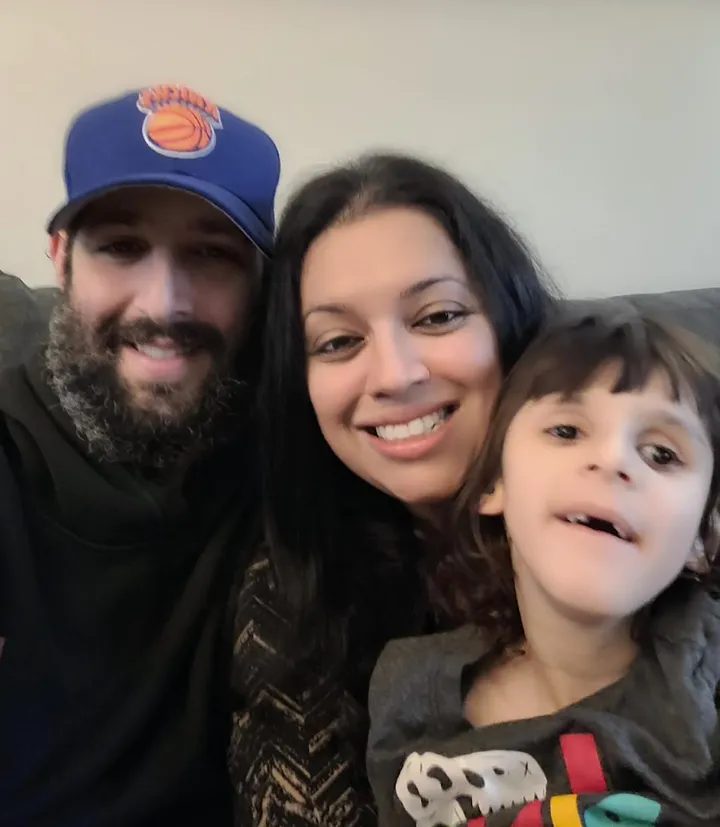
Jo and Richie spent many nights discussing the choice. They talked to other families who had faced similar decisions, and none advised against it. Riaan, who is non-verbal, couldn't give his own consent. One day, Jo asked him if he wanted the therapy and to touch her nose if he did. He immediately touched her nose, which she took as a sign.
The support of their team, including scientists and physicians from UMass Chan Medical School and Weill Cornell, gave them courage. A trusted physician-scientist advisor, known as "Batman," provided guidance at all hours. After much thought, they decided to proceed.
The Surgery and Beyond
On April 21, 2026, Riaan became the first child in the world to receive this gene therapy for Cockayne syndrome. The day was difficult. Riaan had not eaten or drunk all day. As he was wheeled into the operating room, Jo and Richie felt like shepherds of his destiny. Seeing the actual gene therapy in a ziplock bag made the moment's importance clear.
Riaan cried as he was placed on the operating table. The anesthesia team put a mask on him, and he quickly went to sleep. Jo and Richie told him they loved him and were proud.
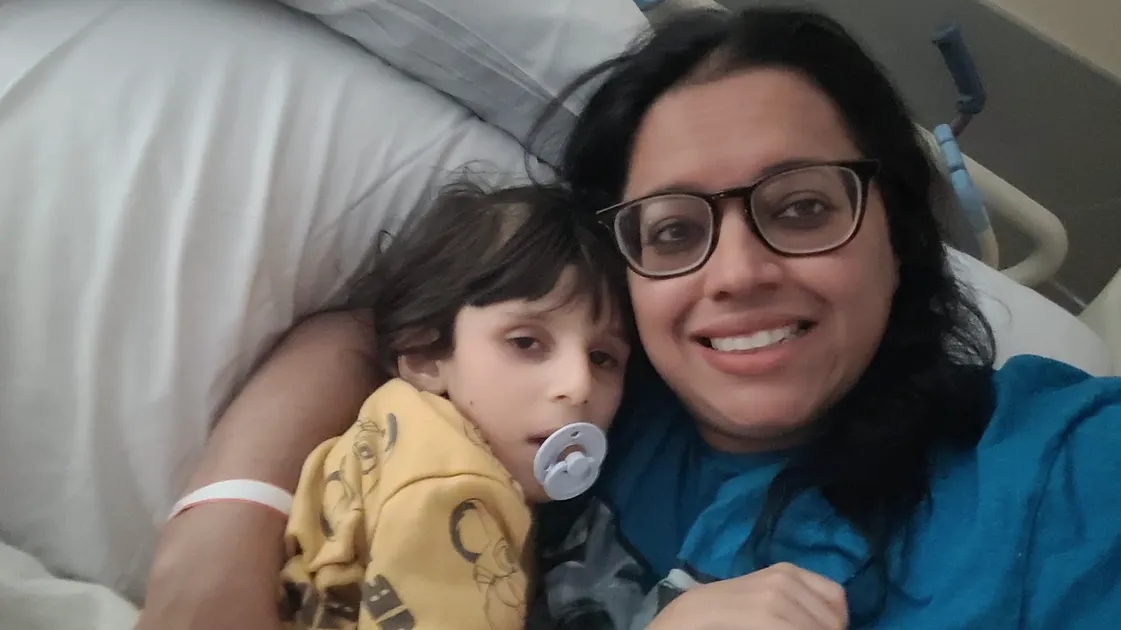
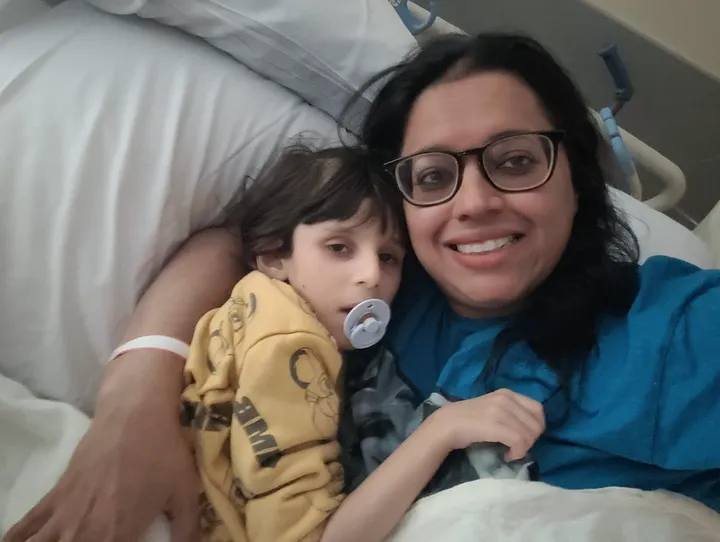
After the procedure, Jo rushed to the Pediatrics Intensive Care Unit. The surgical team said Riaan had done very well. But then she heard his screams, a sound she had never heard before. Doctors assured her he was okay and just needed to see her. Riaan looked scared, with wires everywhere and gauze on his head. It took time and medication to calm him.
That night, he slept on Jo's arm, with neuro exams every two hours. The next day, he was much better, smiling and playing. A few days later, they left the hospital. Three weeks later, they returned home to Queens.
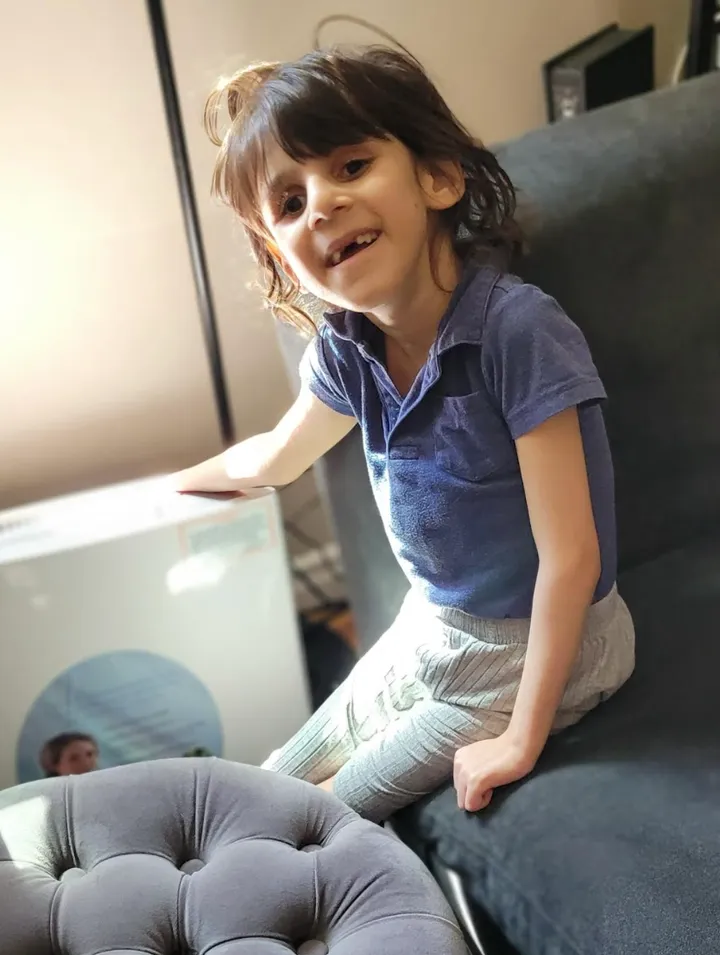
It will take months, even years, to know if the gene therapy has truly helped Riaan. He continues to have exams and bloodwork. While the future is uncertain, there are encouraging signs. Over three months after treatment, Riaan remains stable. He wakes up smiling, ready to play with his brother and go on outings.
The family was able to produce enough of the drug for other children. They plan to work with the FDA to get approval to treat more children with Cockayne syndrome and are raising funds for clinical costs. Jo believes parents should not have to become drug developers to save their children. But out of love, she would do it again for Riaan and for other children who might benefit.