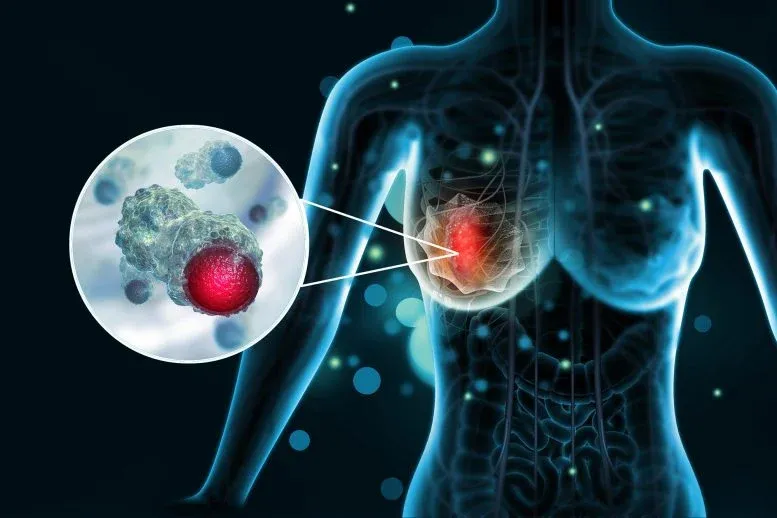
Lung cancer is a brutal numbers game, claiming over 100,000 lives in the U.S. every year. And while we often point fingers at smoking (and rightly so), it turns out there are plenty of other environmental factors—and even some internal ones—playing spoiler. The good news? MIT researchers just found a surprising new angle of attack.
They’ve discovered that by simply blocking an enzyme called caspase-1, which is heavily involved in lung inflammation, they can significantly reduce the risk of tumors. Think of it as hitting the 'off' switch on a potential cancer pathway.
The Anti-Inflammatory Advantage
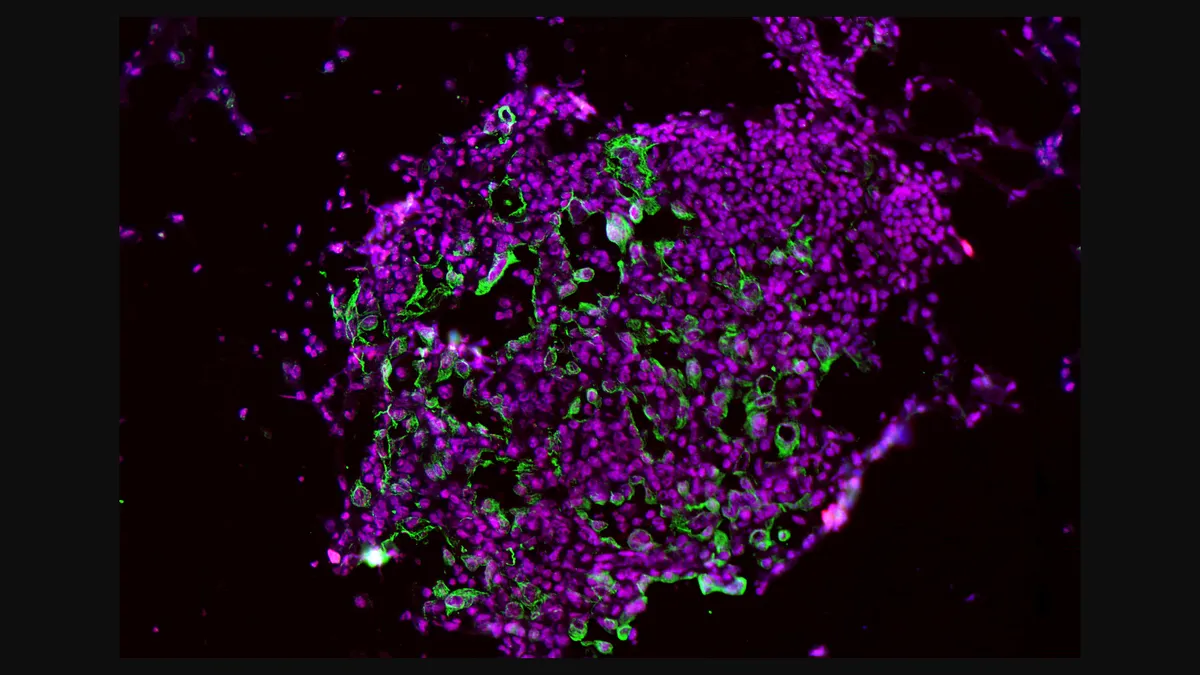
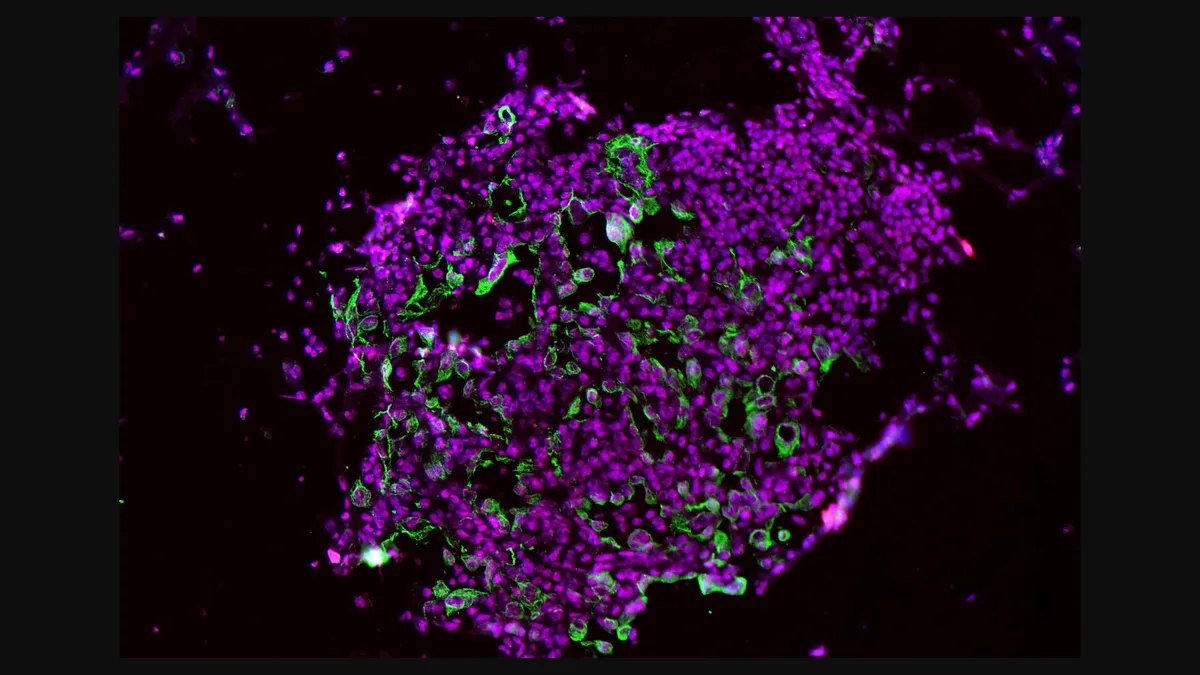
Here’s where it gets interesting: the team found caspase-1 buzzing with activity in developing tumors in mice. When they gave these mice a drug designed to stop caspase-1 in its tracks, the rodents were far less likely to develop lung tumors. Less likely being the operative, and rather hopeful, phrase.
We're a new kind of news feed.
Regular news is designed to drain you. We're a non-profit built to restore you. Every story we publish is scored for impact, progress, and hope.
Start Your News DetoxEven better? This particular drug isn't some brand-new, lab-only concoction. It's already been tested in people for other conditions, like rheumatoid arthritis. Which means the path to potentially using it as a preventative medicine for high-risk individuals — a concept MIT professor Sangeeta Bhatia calls "cancer interception" — is a lot shorter than you'd expect.
Bhatia points out that while smoking is a huge driver of lung cancer, a significant number of "never smokers" are also getting the diagnosis. So, a preventative measure could be a genuine game-changer, potentially helping millions.
How We Got Here
The idea that inflammation might be a key player isn't entirely new. Back in 2017, a clinical trial by Novartis, called CANTOS, dropped a hint. It showed that an anti-inflammatory drug (specifically, an antibody blocking IL-1 beta) actually reduced lung cancer rates in some people. While that antibody didn't help patients who already had cancer, it sparked a different question: Could it prevent cancer from ever taking hold?
IL-1 beta, it turns out, needs to be 'cut' by other enzymes, called proteases, to become active. Bhatia's team wondered if these proteases were the real masterminds driving the inflammatory pathway. Her lab, already skilled at tracking proteases, adapted their nanosensors to pinpoint which ones were most active during the earliest stages of lung cancer development.
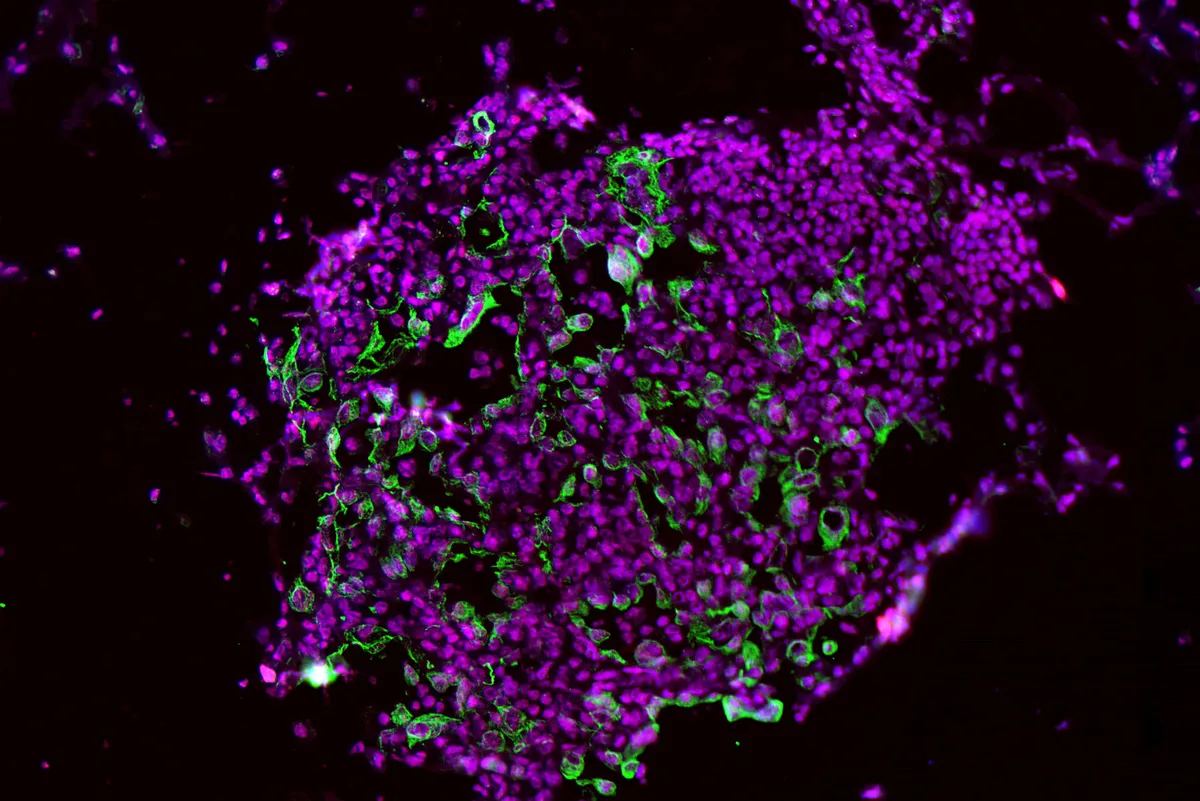
Using a special mouse model designed to develop cancer-causing mutations and lung inflammation, the researchers ran their experiments. They found that in untreated mice, which all developed lung tumors, caspase-1 was highly active. In the treated mice, with fewer tumors, caspase-1 activity was significantly lower. It was like catching the enzyme red-handed, right in the tumors, but not in healthy tissue.
To make sure this wasn't just a mouse thing, they collaborated with Lecia Sequist from Harvard Medical School, analyzing human lung fluid samples. Sure enough, patients with lung cancer had higher caspase-1 activity than healthy donors, even when factoring in smoking history.
The Double Whammy
The team then tested the caspase-1 inhibitor against the IL-1 beta antibody, and even a combination of both. The results were compelling: nearly 20% of mice receiving both drugs never developed tumors. Mice given either drug alone still had smaller and fewer tumors than their untreated counterparts.
And here’s the kicker: unlike antibodies, which require IV injections, caspase-1 inhibitors can be taken orally. That's a huge win for preventative treatment. Plus, these drugs have already sailed through safety studies in human clinical trials for other conditions. Bhatia is optimistic that this existing drug could be repurposed for cancer prevention.
Next up? Clinical trials to test this theory in people. Because sometimes, the solution to a massive problem is already sitting on a pharmacy shelf, just waiting for someone to connect the dots.