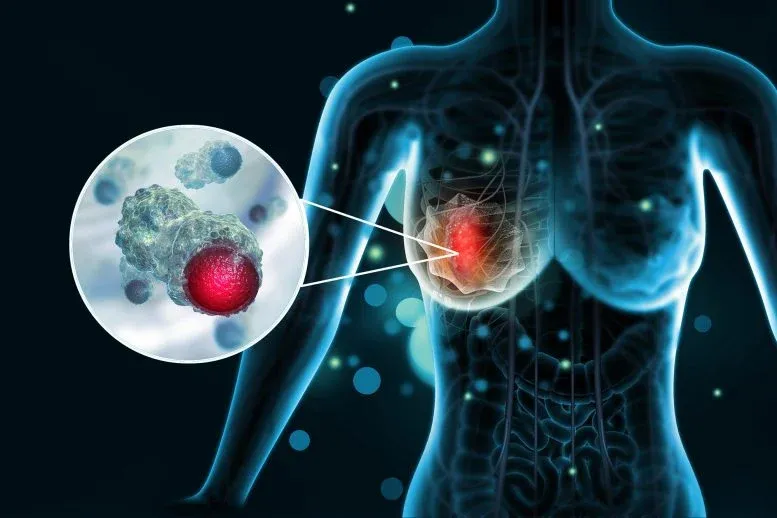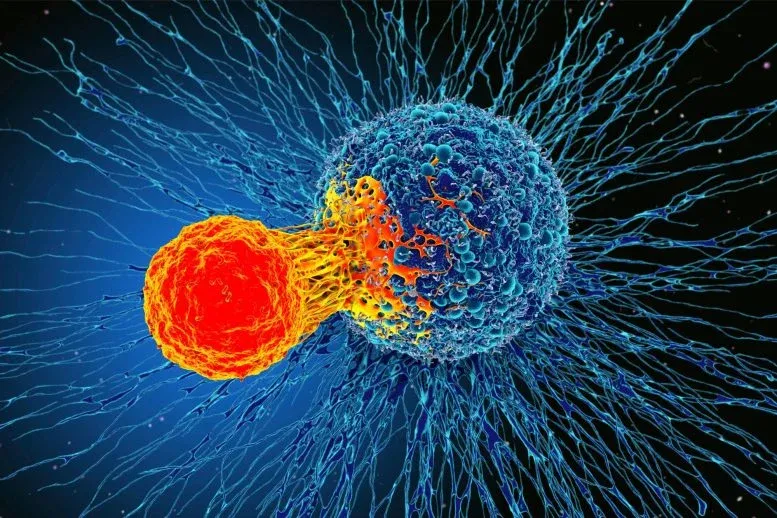
Cancer cells can hide from the immune system by building a sugary shield. New research shows that this shield is affected by the conditions around the tumor. This includes the physical environment and the nutrients available.
Scientists from Sanford Burnham Prebys Medical Discovery Institute and other institutions found a way to potentially weaken this shield. This could help immune cells find and destroy cancer cells.
How Tumors Reshape Cancer Metabolism
Kevin Tharp, a lead researcher, noticed that physical pressure can change how cell parts called mitochondria work. Tumors are often stiffer than healthy tissue. Tharp thought these physical conditions might explain some metabolic changes seen in cancer.
We're a new kind of news feed.
Regular news is designed to drain you. We're a non-profit built to restore you. Every story we publish is scored for impact, progress, and hope.
Start Your News DetoxHe and his team grew cells in different environments. Some were stiff, like tumors, and others were soft, like healthy tissue. They also used different nutrient mixes, including one that mimicked the human body and another with high glucose to simulate high blood sugar.
These conditions changed the proteins cells made and the thickness of their sugar-rich outer layer, called the glycocalyx. High glucose only made this protective layer thicker when cells were grown in the more realistic nutrient mix.
Tharp explained that changing the cell's environment and available nutrients reveals different ways normal and tumor cells handle metabolism.
Excess Sugar Thickens the Protective Coating
The researchers looked at how the glycocalyx is built. It's made of glycoconjugates, which are sugars attached to proteins or fats. Since glucose provides material for these, changes in glucose could explain why the coating got thicker.
Tharp noted that the glycoconjugates were very different in cells grown in standard lab conditions versus those grown in a more body-like medium. High glucose also changed the makeup of these glycoconjugates, showing a strong link between nutrients and the cancer cell's surface.
HSF1 Links High Blood Sugar to Immune Escape
The team then looked for proteins that became more common with high blood sugar. They found heat shock factor 1 (HSF1). This protein helps cells handle stress and has been linked to breast cancer spread.
Experiments showed that HSF1 changed the glycoconjugates on cells. High blood sugar made cancer cells better at escaping immune attack, but only when HSF1 was present and the cells were in a tumor-like environment.
This suggests that drugs targeting HSF1 could reduce the glycocalyx. This would make cancer cells easier for the immune system to spot. Tharp believes this strategy could be very effective against metastatic cancer and improve immunotherapy.
High Blood Sugar May Help Cancer Hide
These findings might also explain why high blood sugar is linked to worse cancer outcomes. Tharp pointed out that high blood sugar is a growing concern for cancer patients due to rising rates of metabolic syndrome and type 2 diabetes.
Previous studies have connected high blood glucose to a higher risk of cancer and poorer treatment results. However, the exact biological reasons were unclear.
Tharp said their research found a possible way high blood sugar directly helps cancer evade the immune system. This could also offer a way to remove a cancer advantage caused by high blood sugar from metabolic syndrome and modern diets.
Deep Dive & References
The microenvironment dictates glyco-immune surveillance via HSF1-mediated metabolism - Science Advances, 2026