France's highest court just dropped a double whammy of decisions that will either make you nod sagely or raise an eyebrow. On one hand, they greenlit assisted dying under specific, rather serious conditions. On the other, they emphatically rejected a ban on social media for anyone under 15.
So, President Emmanuel Macron got half a win, half a polite but firm 'no thank you' from the Constitutional Council. Because apparently, even presidents can't always get what they want from the internet.
The Right to Choose, Strictly Defined
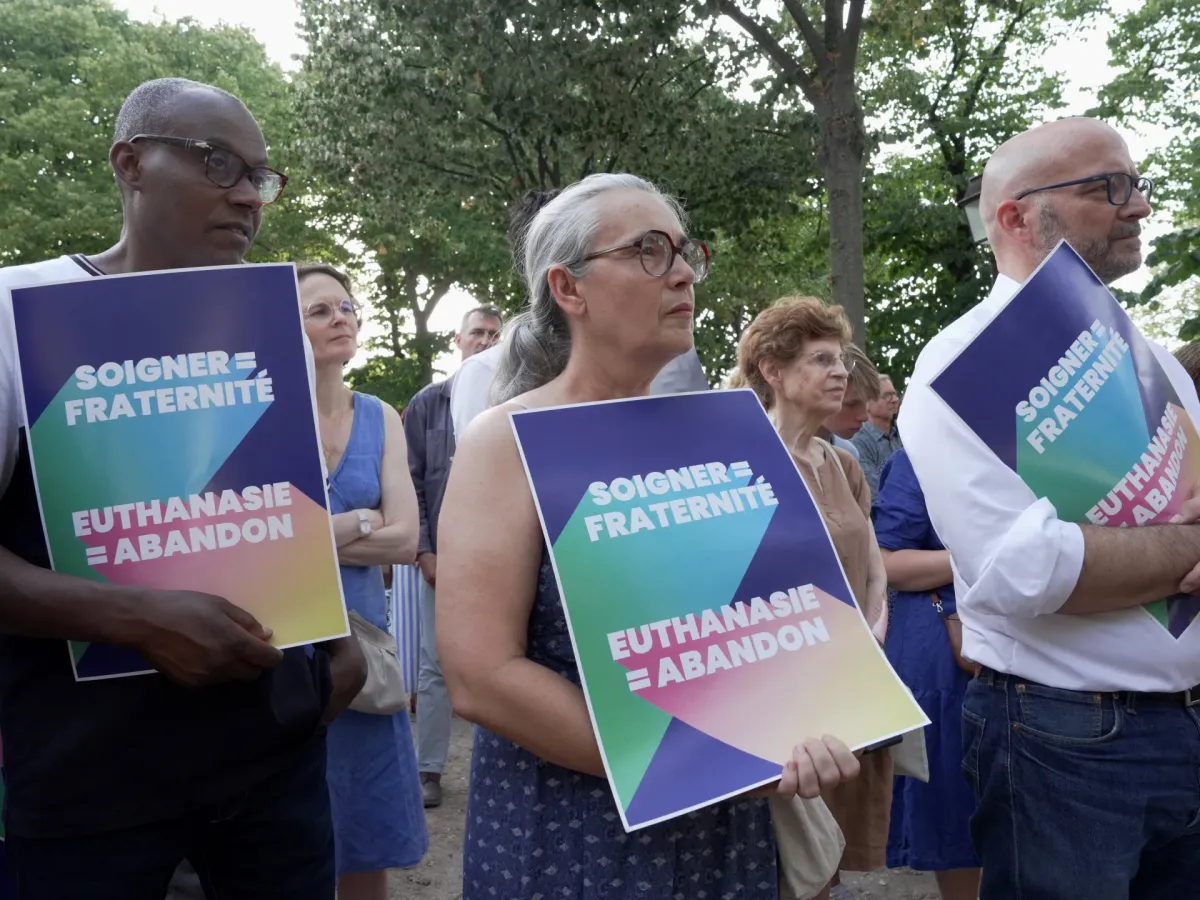
France is now officially joining the club of European nations — think Belgium, Germany, Luxembourg — that allow assisted dying. This wasn't some snap decision; it was, as former Prime Minister Elisabeth Borne put it, "the result of a long democratic effort." Which, if you think about it, is a lovely way to say 'we argued about this for ages.'
We're a new kind of news feed.
Regular news is designed to drain you. We're a non-profit built to restore you. Every story we publish is scored for impact, progress, and hope.
Start Your News DetoxThe law itself is a tightly wound affair, not a free-for-all. To qualify, you need an incurable, life-threatening illness that's advanced or terminal, causing "constant, untreatable, or unbearable suffering." And you have to give free, informed consent. Basically, it's not for a bad Tuesday.
Interestingly, pharmacists can still opt out if it goes against their conscience, and private treatment centers can too. Because even in life-and-death decisions, everyone gets a 'nope' card. The French National Assembly passed this one last month, 291 to 241. Let that satisfyingly close number sink in.
The Kids Are (Still) Online
Now for the part that probably made a few teenagers cheer: the court struck down the social media ban for under-15s. The reason? Freedom of expression. And, perhaps more hilariously, the law was a bit vague on how exactly everyone, including adults, would prove their age online. Because apparently, the French government hadn't quite figured out the logistics of carding the entire internet.
This was a pet project for Macron, meant to kick off in January 2027. Now he's asked his Prime Minister to cook up a new, "legally robust" version. Good luck with that.
Amnesty International had some thoughts, suggesting lawmakers focus on forcing social media companies to redesign their apps and ban "addictive features" instead of blanket bans. Because, as Amnesty's Secretary General Agnes Callamard noted, it's about making platforms prioritize human rights over profit. Which sounds like a genuinely novel concept in the tech world. Maybe they'll just ban the endless scroll? One can dream.