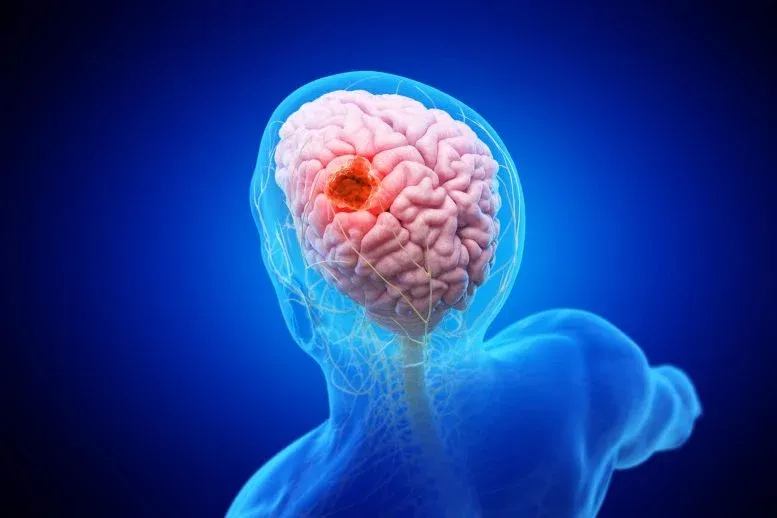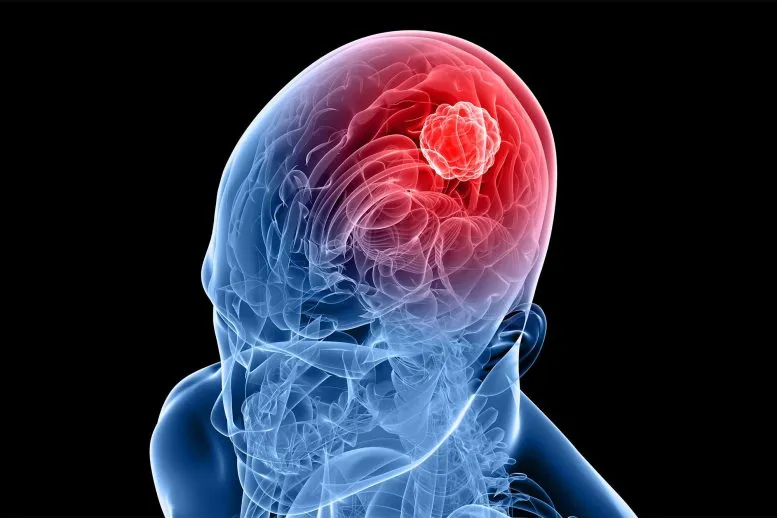
Glioblastoma: the brain cancer equivalent of that one houseplant that just refuses to die, no matter what you do. It's aggressive, grows like a weed, and has a nasty habit of shrugging off radiation and chemo before staging a comeback tour.
But now, researchers at The Ohio State University Comprehensive Cancer Center might have found its Achilles' heel: a protein called SET. And the best part? The goal isn't to reinvent the wheel, but to make the existing treatments actually work.
Making the Unkillable, Less So
Think of it this way: glioblastoma cells are currently wearing tiny, invisible Kevlar vests. The scientists aren't trying to invent a new bullet; they're trying to find a way to rip off those vests. In early tests, blocking SET stopped tumors in their tracks, making it the most promising target they've found so far.
We're a new kind of news feed.
Regular news is designed to drain you. We're a non-profit built to restore you. Every story we publish is scored for impact, progress, and hope.
Start Your News DetoxThey also discovered that blocking related proteins made these notoriously stubborn cancer cells suddenly sensitive to radiation. Which, if you think about it, is both impressive and slightly terrifying for the cancer cells.
So, how does this work? The team zeroed in on an enzyme called PP2A. This enzyme is usually the grown-up in the room, keeping cancer cells from growing out of control, helping them survive, and repairing themselves after treatment. But glioblastoma, being the rebel it is, blocks PP2A using a trio of proteins: ANP32A, CIP2A, and our new friend, SET.
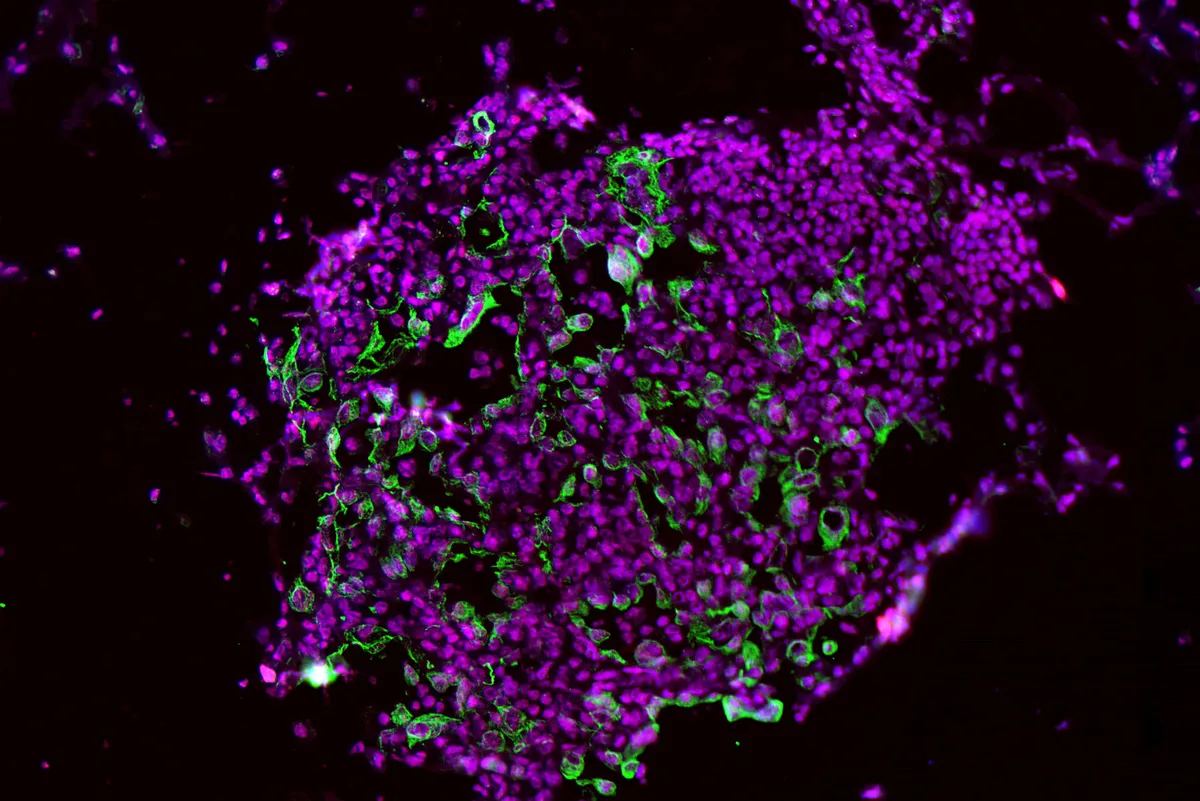
When the researchers blocked these proteins in lab dishes and animal models, fewer cancer cells survived. And the ones that did? They were suddenly far more susceptible to radiation. As Dr. Arnab Chakravarti, chair of radiation oncology at OSUCCC – James, dryly noted, glioblastoma's biggest strength is its adaptability. Restoring PP2A activity might just strip it of that superpower.
Of course, this is still very early days. No human trials yet. The next step is to figure out if targeting SET and its buddies is safe and if it actually boosts the effectiveness of standard glioblastoma treatments in a clinical setting. They even looked at an existing antipsychotic drug that boosts PP2A, but for now, it's strictly a research tool, not a prescription.
Still, it's an important first step. Because if you can understand how glioblastoma protects itself, you can finally start to dismantle that protection. And maybe, just maybe, turn that unkillable houseplant into something a little less… robust.