Rheumatoid arthritis might affect certain joints because of differences that start even before birth. This new idea comes from researchers at the Kennedy Institute. It helps explain why the disease often targets specific joints but leaves others alone.
The study, published in Nature Immunology, looked at whether differences in joint tissues from early development play a role in this pattern.
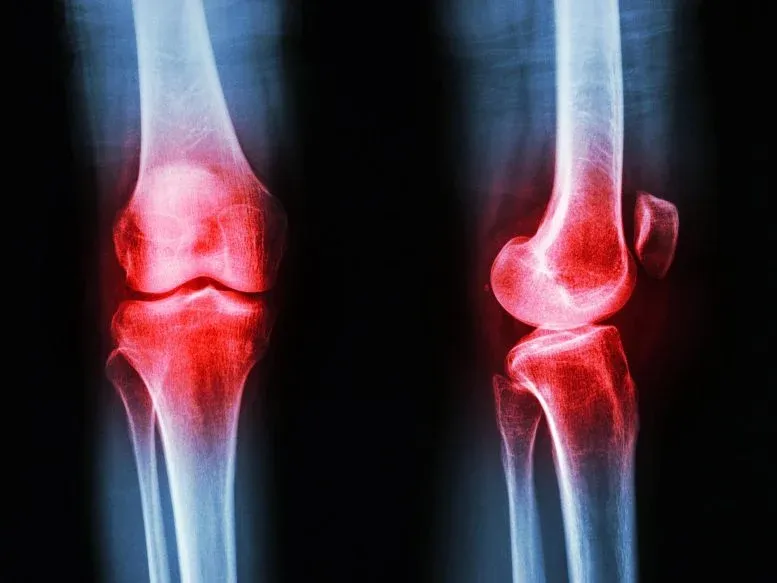
Rheumatoid arthritis is an autoimmune disease. The immune system mistakenly attacks the synovium, which is the tissue lining a joint. This causes pain, swelling, and stiffness. Over time, this inflammation can damage cartilage, bone, and other nearby tissues.
We're a new kind of news feed.
Regular news is designed to drain you. We're a non-profit built to restore you. Every story we publish is scored for impact, progress, and hope.
Start Your News DetoxVulnerability Starts Early
To find answers, researchers compared two types of finger joints. Proximal interphalangeal (PIP) joints are often affected by rheumatoid arthritis. Distal interphalangeal (DIP) joints, closer to the fingertips, are usually not.
PIP joints had more synovial tissue. They also had higher levels of PI16-positive (PI16+) fibroblasts. These are special connective tissue cells. Since these differences were present before birth, it suggests that the tissues in individual joints might help decide their later risk of disease.
Christopher Buckley, a professor at the University of Oxford, noted that scientists have known for decades that rheumatoid arthritis targets specific joints. He said a big question has been "why?" He added that the answer might be in the tissues themselves, not just the immune system. The cell and structure differences formed during development could influence where inflammation starts later in life.
How Developing Joints Show Differences
The researchers mapped developing human finger joints. They used single-cell sequencing, advanced image analysis, and 3D X-ray scanning. Studying joints during development allowed them to see details that are hard to get from adult tissue.
Developing joints mostly had structural cells, like cartilage cells and fibroblasts, rather than immune cells. The team then looked at the signals that guide these cells to become specialized.
Synovial lining fibroblasts were especially interesting. These cells create substances that lubricate joints for smooth movement. However, they can act abnormally in arthritis. The analysis showed that the synovial lining might come from two sources: cartilage cells and fibroblasts around the joint. Low oxygen levels in the area seemed to affect this process.
Understanding these signals could show how these cells work. It might also reveal how their normal protective role could be restored in disease.
Vulnerable Joints Have Special Fibroblasts
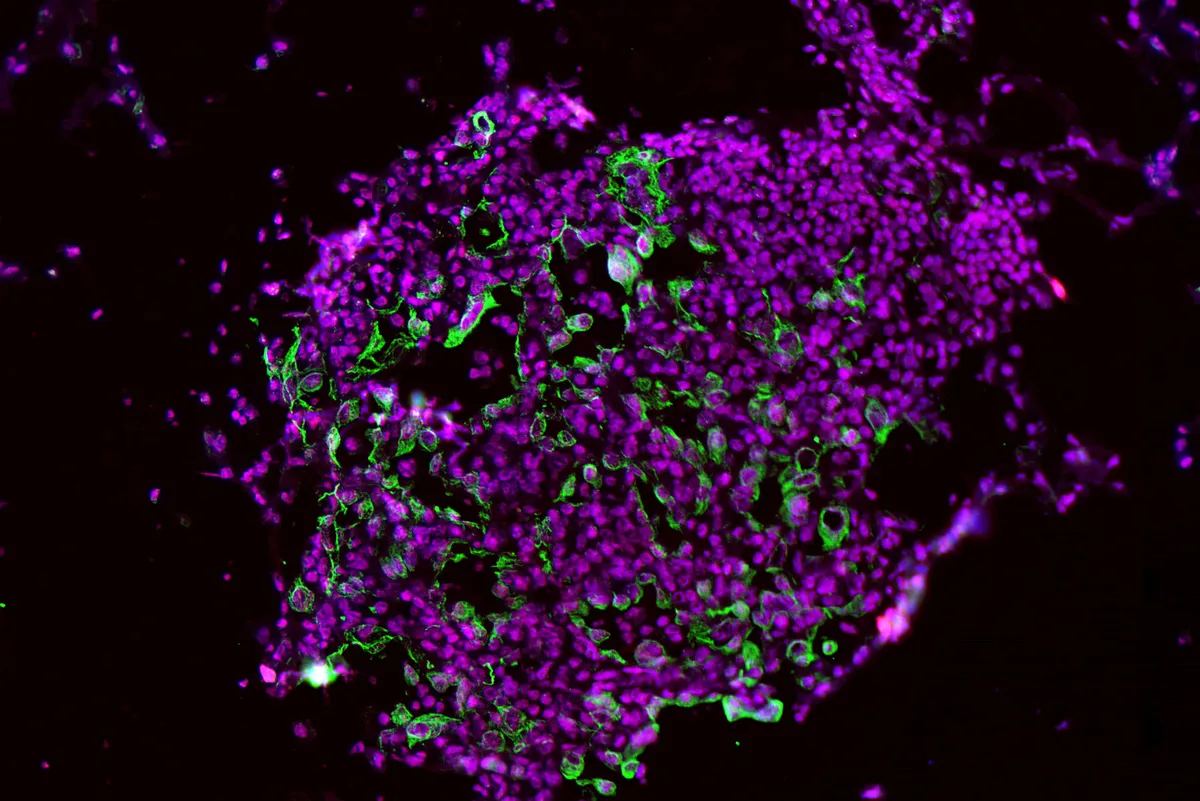
More comparisons showed clear differences between PIP and DIP joints. Using a special image analysis tool, researchers found more PI16+ fibroblasts in PIP joints. These cells were found around blood vessels and where tendons and ligaments connect to tissue.
These PI16+ cells also reacted differently to inflammatory signals compared to other fibroblasts. While both PI16+ and PI16- fibroblasts showed a similar response to inflammation, PI16+ cells had extra changes in pathways related to tissue organization and immune control.
There were also clear structural differences. High-resolution 3D imaging at Diamond Light Source showed that the synovial tissue around PIP joints was larger and organized differently. This was not seen in joints usually spared by rheumatoid arthritis. These cell and structure features together might explain why inflammation takes hold in some joints but not others.
Dr. Sarah Davidson, a researcher at the Kennedy Institute, said that joints often affected by rheumatoid arthritis already have distinct cell populations before birth. She noted that PI16+ fibroblasts were more common in vulnerable joints and reacted differently to inflammatory signals. Their location and behavior suggest they could influence where the disease develops.
These findings suggest that the specific pattern of rheumatoid arthritis might come from joint structures formed during development. The risk of inflammation might not just depend on immune activity. It could also be shaped by the unique cellular and structural environment within each joint.
Deep Dive & References
The embryonic origins of site-specific arthritis - Nature Immunology, 2026