Fentanyl is a menace. It's now responsible for more deaths in the U.S. each year than car crashes and gun violence combined. The drug slams the brain, shutting down breathing, and current overdose treatments need to be administered with lightning speed to be effective.
But what if we could stop fentanyl from ever reaching the brain in the first place? Researchers at Scripps Research have been cooking up an experimental vaccine that trains your immune system to neutralize the drug, effectively disarming it before it can do its deadly work.
And here’s the kicker: this isn't just about fentanyl. This vaccine could protect against the whole family of fentanyl-related “designer drugs” — those ever-evolving chemical cousins drug makers whip up to stay ahead of the law. Basically, scientists are trying to build a moat around the brain, and it looks like they’ve found a pretty clever way to do it.
We're a new kind of news feed.
Regular news is designed to drain you. We're a non-profit built to restore you. Every story we publish is scored for impact, progress, and hope.
Start Your News DetoxOutsmarting the Chemists
For years, the challenge with opioid vaccines has been getting the immune system to recognize the specific drug. That meant needing a chemical copy of the actual drug, which is both difficult to get (highly regulated, for obvious reasons) and limited in its effectiveness. The immune system would learn to spot that drug, but what about the next variant?
Because black-market chemists are nothing if not persistent, they constantly tweak fentanyl's molecular structure to evade detection and regulation. It's a never-ending game of chemical whack-a-mole.
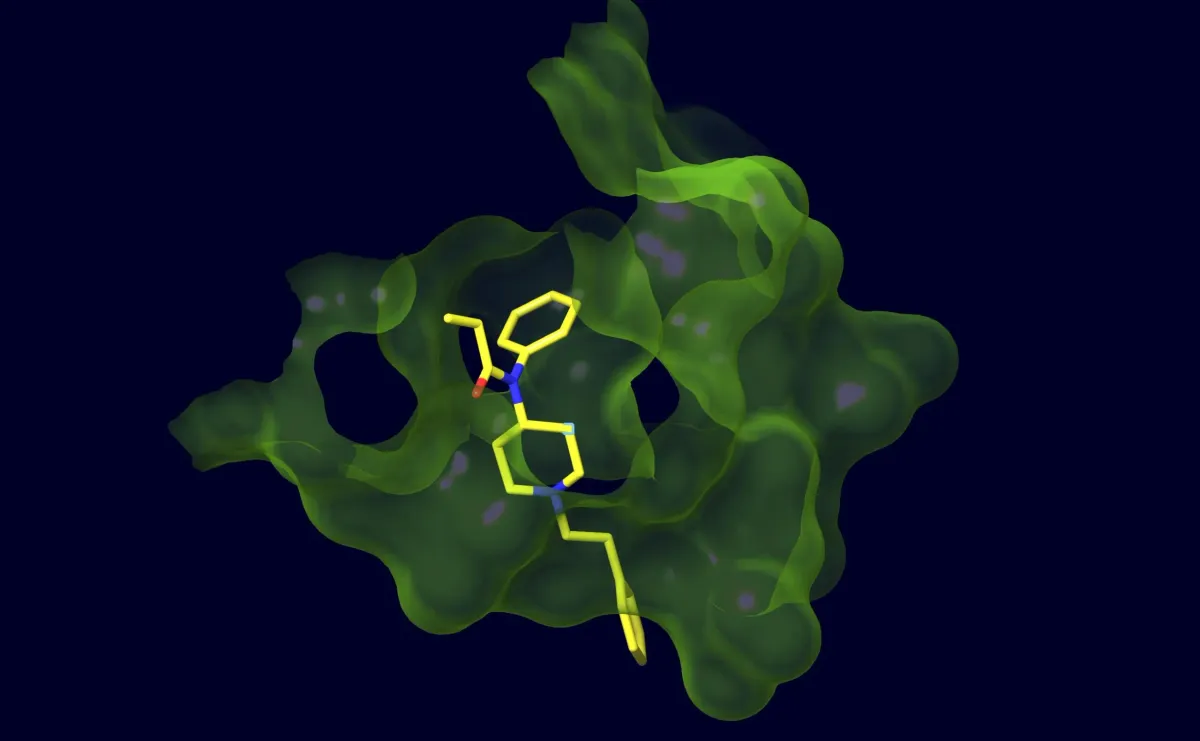
But Professor Kim Janda and his team at Scripps Research decided to try something different. Instead of creating a vaccine that looked exactly like fentanyl, they designed a modified compound that shared key features but had a different core structure. It was a bit of a gamble.
They gave four doses of this experimental vaccine to mice over eight weeks. The results? Surprisingly effective. The mice's immune systems didn't need an exact replica. Instead, they learned to recognize a broader molecular pattern shared across the entire fentanyl family.
Broad Protection, No Side Effects
When tested, the antibodies generated by the vaccine strongly bound to fentanyl and its dangerous relatives, like carfentanil and China White. Crucially, they ignored common medical opioids such as morphine or oxycodone. So, no accidental immunity to your pain meds.
And outside the lab, the vaccinated mice maintained almost normal breathing after receiving fentanyl doses that would typically cause severe respiratory failure. Even better, fentanyl levels in their brains were about 70% lower than in unvaccinated mice. The moat, it seems, was working.
Of course, human clinical trials are still on the horizon. But if this approach holds up, it could be a game-changer for addiction recovery programs and anyone at high risk of exposure. It’s a bold new strategy that could finally get us ahead of the fentanyl crisis, one broad-spectrum antibody at a time. Because sometimes, the best defense is a really smart offense.