Turns out, the weight-loss drug that's been making headlines (and the occasional social media influencer) is just as effective for the over-65 crowd. A new study, pulling data from the extensive STEP clinical trial program, found that semaglutide – you know it as Ozempic or Wegovy – helped older adults drop a significant amount of weight, and their health markers improved right along with it.
Because apparently, age is just a number, even when it comes to shedding pounds. Professor Luca Busetto and his team discovered that participants over 65 saw similar benefits to their younger counterparts. Which, if you think about it, is both impressive and slightly terrifying for anyone who thought they'd dodged the Ozempic conversation.
The Senior Weight-Loss Question
For a while, there wasn't much data on how these GLP-1 receptor agonists worked specifically for older adults. This is a group that often juggles more health conditions, can be a bit more frail, and generally has a higher risk of medication side effects. So, understanding how semaglutide performed for them wasn't just interesting, it was crucial.
We're a new kind of news feed.
Regular news is designed to drain you. We're a non-profit built to restore you. Every story we publish is scored for impact, progress, and hope.
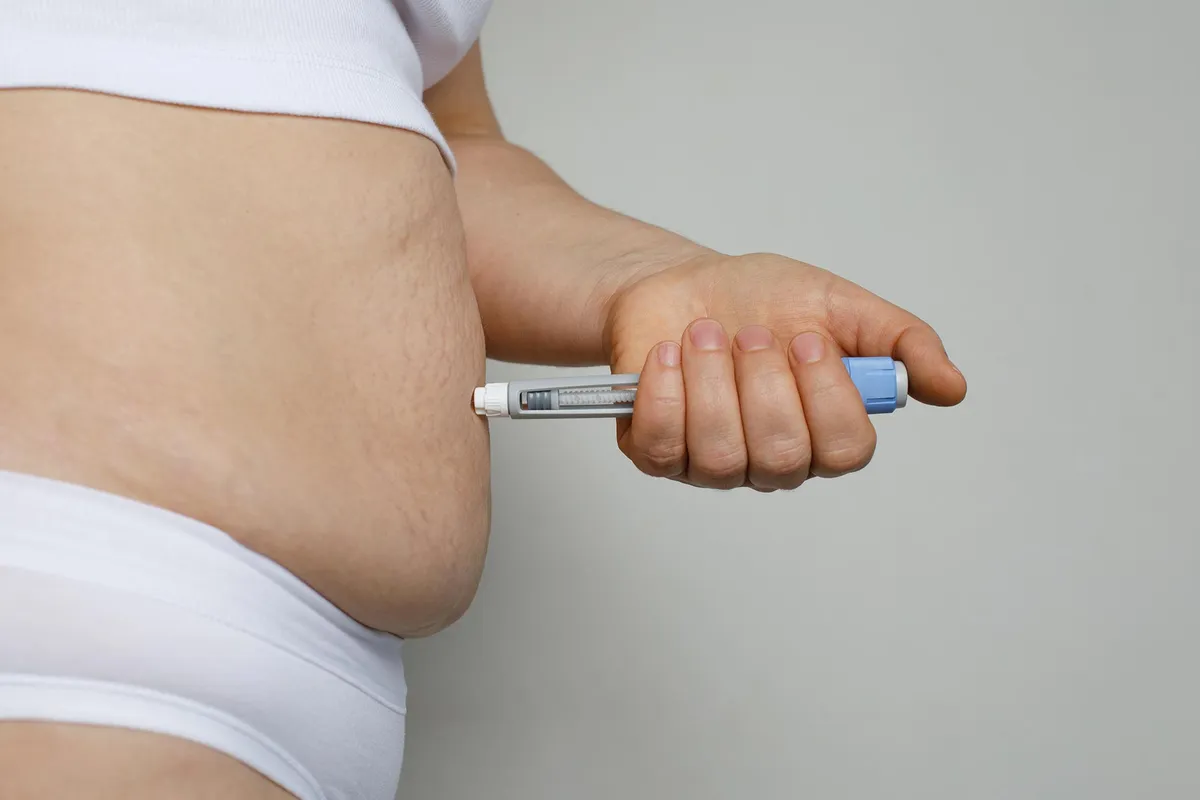
Start Your News DetoxEnter the STEP trials. Researchers combined results from multiple studies, focusing on participants aged 65 or older who were overweight or obese but without diabetes (because that changes the weight-loss game). They were given either a weekly 2.4 mg semaglutide injection or a placebo, all while getting lifestyle advice. Some even got intensive behavioral therapy. The whole thing was tracked for 68 weeks.
Out of over 4,500 total participants, 358 were in the 65+ club. Their average age was 69, with an average weight of 99 kg and a BMI of 36.6 kg/m2. About 72% were women. Let that satisfying number sink in.
The Numbers Don't Lie
After 68 weeks, the results were pretty clear: the semaglutide group lost an average of 15.4% of their body weight. The placebo group? A modest 5.1%. (Which, let's be honest, is still an achievement for anyone trying to lose weight.)
The waistlines told a similar story, with semaglutide users shrinking by an average of 14.3 cm compared to 6.0 cm for the placebo group. And if you like your stats in percentages:
- 66.5% of semaglutide users lost at least 10% of their weight (vs. 15.5% for placebo).
- 46.8% dropped at least 15% (vs. 6.4% for placebo).
- 28.6% shed at least 20% (vs. a rather lonely 2.7% for placebo).
Beyond the scale, semaglutide also improved heart and metabolic health markers like blood pressure, cholesterol, and blood sugar control. So, it wasn't just about looking good; it was about feeling better too. The serious side effects were slightly higher in the semaglutide group (19% vs. 12.7%), with constipation and dizziness being the most common complaints. But overall, the safety profile was consistent with what's been seen in younger populations.
Dr. Busetto's takeaway? Semaglutide is a viable option for older adults with obesity, especially since a significant chunk of excess weight cases in high-income countries are in the over-65 demographic. Because who says you can't teach an old dog new tricks, especially when those tricks involve better health outcomes?