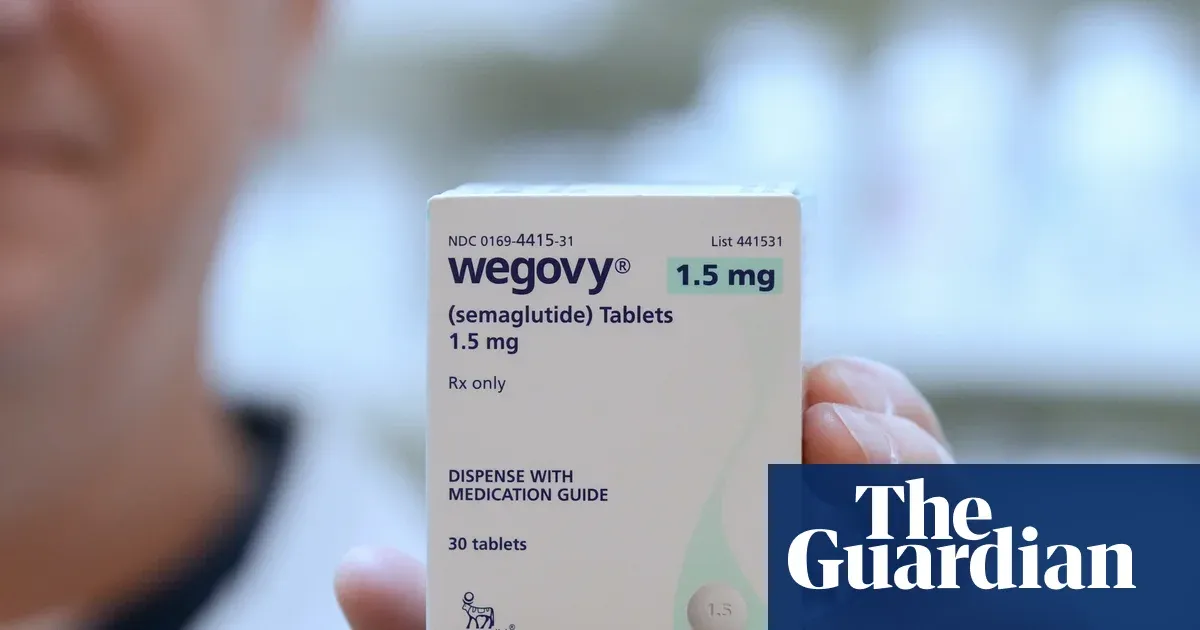
You know Ozempic and its GLP-1 cousins for their uncanny ability to make people not want that second donut. But what if they also made you not want that second drink? Or that cigarette? Or… well, you get the picture. New research suggests these weight-loss wonder drugs might be quietly tackling addiction, too.
A study out of The University of Texas at El Paso dove into the health data of over 142,000 people dealing with type 2 diabetes or obesity. A subset of about 20,000 were on a GLP-1 medication. The researchers then played a game of compare-and-contrast, matching them with similar folks not taking the drugs, to see who was reaching for what.
Your Brain's Reward System Just Got a New Boss
The findings, published in Frontiers in Psychiatry, paint a rather compelling picture. People taking GLP-1s were significantly less likely to be diagnosed with substance use disorders across the board.
We're a new kind of news feed.
Regular news is designed to drain you. We're a non-profit built to restore you. Every story we publish is scored for impact, progress, and hope.
Start Your News DetoxLead author Tadesse Abegaz put it plainly: these drugs seem to mess with the brain's reward system, not just your stomach. It's like your brain suddenly decides that the usual suspects for a dopamine hit just aren't as interesting anymore. Which, if you think about it, is both impressive and slightly terrifying for the pleasure-seeking part of your brain.
Precisely how much less interested were they? The study found GLP-1 users had:
- 74% lower odds of alcohol use disorder
- 69% lower odds of opioid use disorder
- 68% lower odds of nicotine use disorder
- 75% lower odds of cocaine use disorder
Let those satisfying numbers sink in. That's a pretty substantial drop across substances that typically have a vice-like grip. Now, the researchers are quick to pump the brakes a bit. This is a correlation, not a cure. They're not suggesting you swap your therapist for a prescription just yet. More controlled studies are needed before your doctor starts handing out Ozempic to treat addiction.
But the promise is certainly there. The team is already planning to track people who start GLP-1 therapy to see if their substance use habits change over time and if that leads to a better quality of life. Because apparently, your weight-loss shot might just be the most interesting thing happening in your brain right now.