Imagine losing your central vision — the ability to read, recognize faces, or even navigate without bumping into things. For millions suffering from geographic atrophy, the late-stage form of dry age-related macular degeneration, that's a daily reality. This condition systematically destroys the photoreceptors in your macula, the tiny part of your eye crucial for sharp, detailed sight.
Until now, treatments in the U.S. could only slow the damage, never reverse it. But a neurotech startup called Science Corporation just got the green light in Europe for a bionic eye system that promises to do exactly that: restore functional sight for some with severe vision loss.
How a Tiny Chip Sees for You
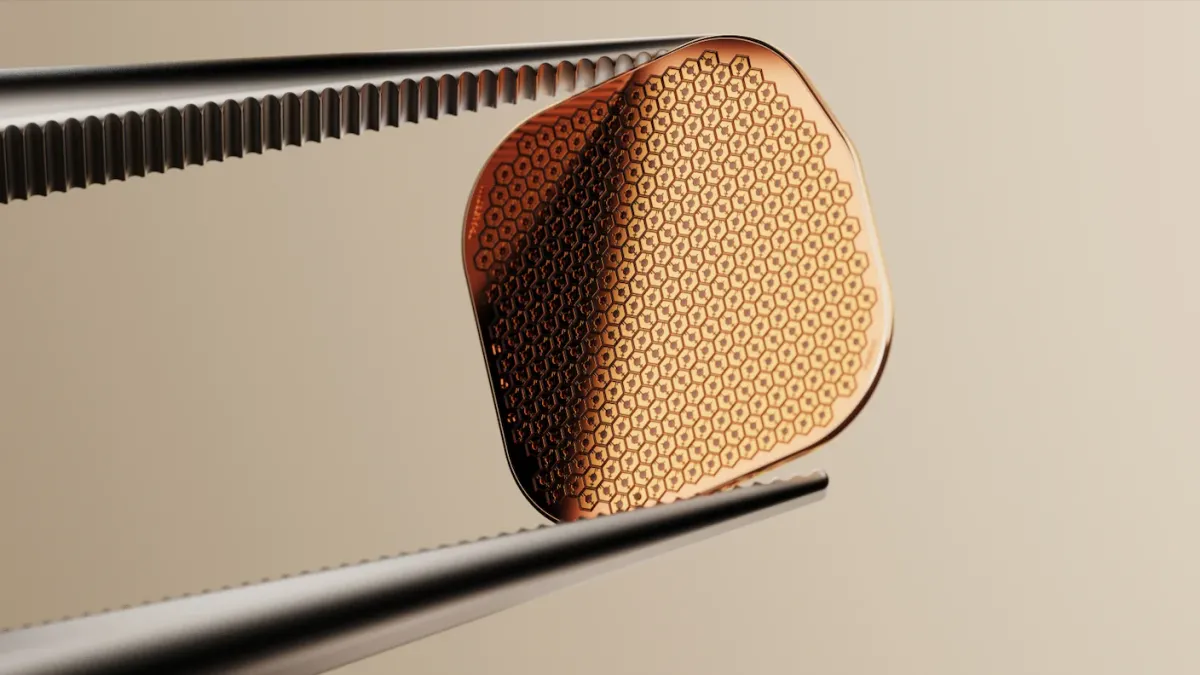
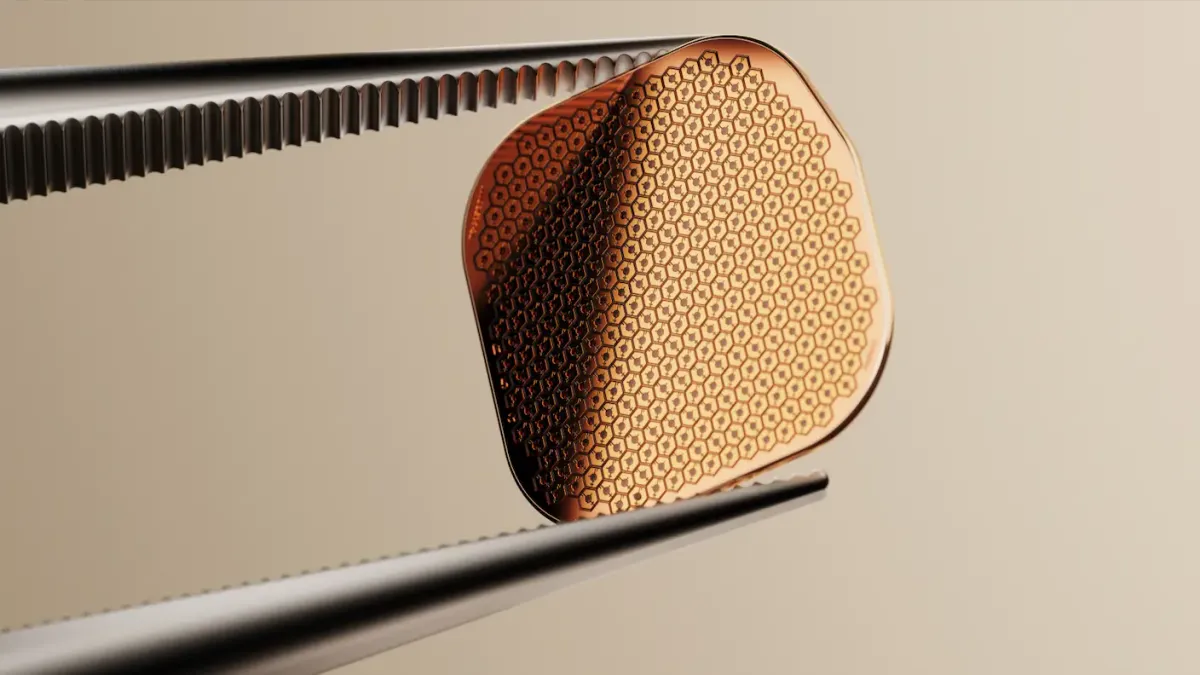
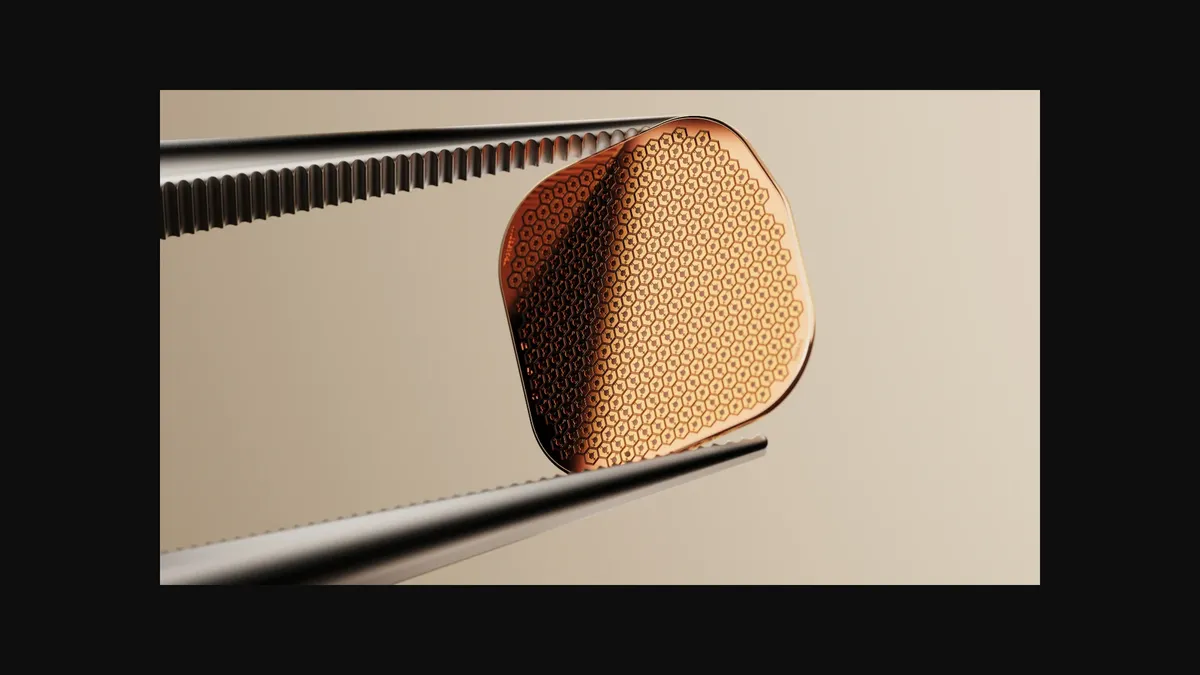
The secret is the PRIMA system, a marvel of miniaturization that's smaller than a grain of rice. This tiny implant slips under the macula, then pairs with special glasses that have a camera. These aren't just any glasses; they convert the visual world into near-infrared light, which is then beamed directly to the retina. Your eye can't see this wavelength, so it plays nicely with any natural vision you might still have.
We're a new kind of news feed.
Regular news is designed to drain you. We're a non-profit built to restore you. Every story we publish is scored for impact, progress, and hope.
Start Your News DetoxThink of the chip as a microscopic solar panel. It takes that incoming light and zaps it into electrical pulses. These pulses then stimulate the retinal neurons, specifically the bipolar cells, which are typically spared by macular degeneration. It's like giving your eye a brand new, high-tech switchboard.
In a clinical trial, 38 patients got the device, and the results were, well, eye-opening. Participants gained an average of 25.5 letters on an eye chart — that's more than five lines of vision. The European Union clearly liked what it saw, granting the device a CE mark, which means it can now be sold in 30 European countries. Germany's up first, with Italy, the Netherlands, and the UK to follow. The U.S. FDA has given it special designations, so full approval stateside is expected soon.
The Future's Looking Brighter
Now, let's manage expectations: this isn't a magic wand that brings back perfect vision. The images are black and white, and the field of vision is narrow, described by Science's CEO Max Hodak as "looking through a straw." But it's a monumental first step. Hodak is already envisioning a future with color vision and sharper images.
The implantation itself is straightforward, but patients do need months of training to fully integrate with their new bionic sight. Science plans to install 20 to 40 devices this year, scaling up to 200 globally by the end of next year if U.S. approval lands as hoped. This European nod is also a massive win for the entire neurotech industry, proving that brain-computer interface companies aren't just selling sci-fi dreams, but generating real revenue.
Hodak hopes the sales from PRIMA will fuel Science's even more ambitious projects, including "biohybrid" interfaces that use genetically engineered living neurons to connect directly to the brain. Meanwhile, other players like Neuralink (co-founded by Hodak) are also pushing boundaries, with their own vision implant, Blindsight, expected to start human trials this year. The lab is officially moving into the real world, and suddenly, the future of sight is looking a whole lot clearer.