Imagine your cells trying to make origami, but instead of delicate cranes, they're churning out crumpled paper wads. That's essentially what happens with insulin, and it might be quietly fueling the progression of diabetes.
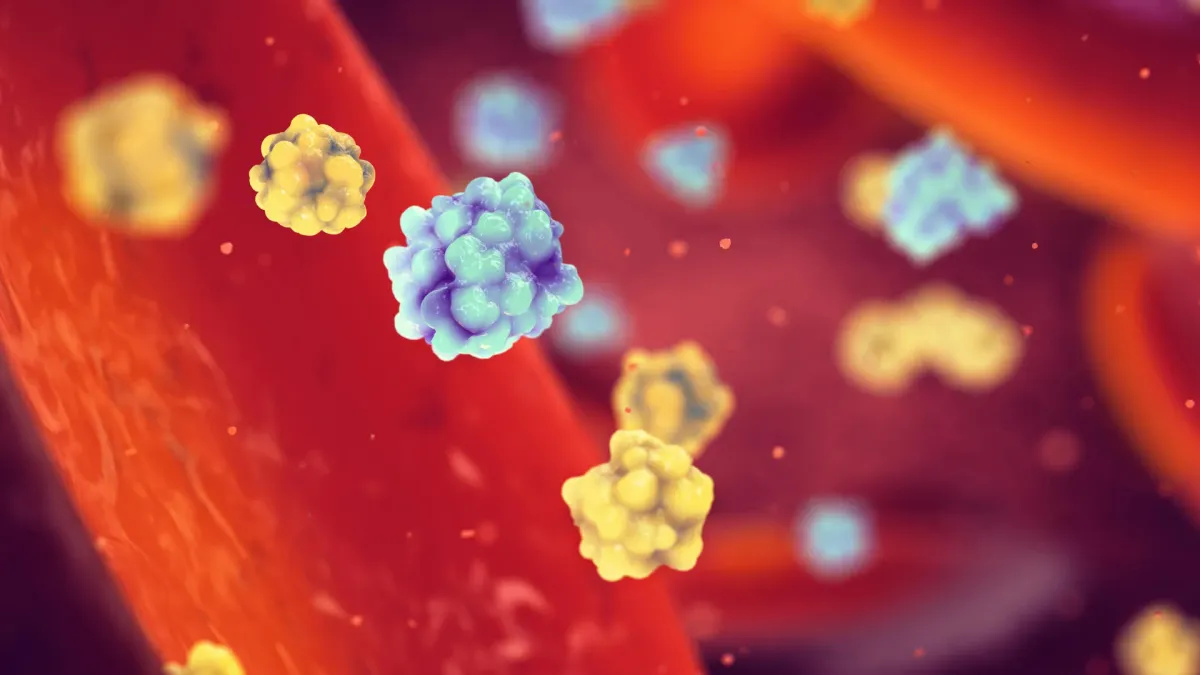
Turns out, the tiny factories in your body tasked with producing insulin can get a bit overwhelmed. When prediabetes starts to get serious, the proteins meant to become insulin start misfolding, piling up like tiny, useless bricks. This stresses out the pancreatic cells that are supposed to be making the good stuff, leading to a breakdown.
Researchers from Sanford Burnham Prebys Medical Discovery Institute and the University of Michigan have been poking around this cellular chaos. Their findings suggest that if we can just help these cells fold their proteins correctly, we might be able to save them from a lot of trouble.
We're a new kind of news feed.
Regular news is designed to drain you. We're a non-profit built to restore you. Every story we publish is scored for impact, progress, and hope.
Start Your News DetoxWhy Insulin Production Goes Off the Rails
Your pancreas has these unsung heroes called beta cells. Their job? Constantly checking your blood sugar. When glucose spikes, they pump out insulin to bring things back to normal. It’s a crucial balancing act.
But as diabetes advances, these beta cells start struggling to keep up. Previous research pointed to misfolded proinsulin — the raw material for insulin — as a major problem. Scientists knew these wonky proteins stressed out the cells, but they didn't know which other cellular helpers were involved, or how they all worked together.
Randal J. Kaufman, a professor at Sanford Burnham Prebys, put it simply: they wanted to see how these "partner proteins" coordinate proinsulin folding and, crucially, fix the mistakes. Because apparently, even cells need a good quality control department.
The Protein Tag-Team
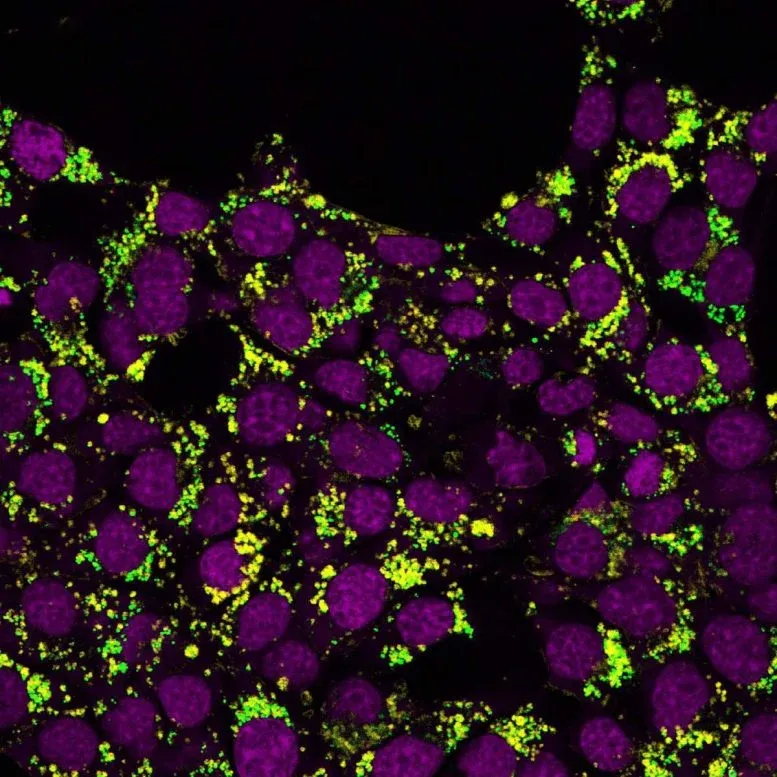
The researchers focused on a protein called binding immunoglobulin protein (BiP). To track it, they genetically altered mice, adding a special marker to BiP in their beta cells. This marker was like a tiny beacon, making BiP easy to spot and isolate. Think of it as putting a bright flag on one specific player in a crowded soccer field.
And who showed up as BiP's most important teammate? A partner protein named p58IPK.
When the researchers removed p58IPK from cell lines, misfolded proinsulin piled up. Tests in mice without p58IPK showed similar results: their beta cells produced less proinsulin and, consequently, less insulin. It seems p58IPK is a pretty big deal.
It Takes Two to Tango (or Fold Proteins)
The team then tried putting p58IPK back into one of the modified cell lines. Reintroducing it helped the cells fold and move proinsulin much better, reducing the amount of improperly folded copies. However, p58IPK couldn't shoulder the entire burden alone; these improvements only happened if BiP was also present. It's a true partnership.
They also discovered that just adding more BiP couldn't fully compensate for missing p58IPK. The biggest improvements in protein folding only occurred when both proteins were at normal levels. Insook Jang, the lead author, compared BiP trying to fold proinsulin alone to "a single player trying to play a doubles match." Which, if you've ever tried that, you know it doesn't end well.
This whole process is surprisingly delicate and sensitive to the same cellular stresses that wreck beta cells in type 2 diabetes, Kaufman noted. And here’s the kicker: most current diabetes treatments don't even touch this protein-folding problem. They focus on things like helping tissues absorb more glucose or simply squeezing more insulin out of the pancreas.
But what if we could just teach the cells to fold their proteins right from the start? Kaufman believes learning to control BiP's activity could be a game-changer, potentially preventing or reducing damage to insulin-producing cells early on. Because sometimes, the simplest solution is just better origami instructions.