Imagine a wound dressing that doesn't just cover a cut, but actively fights off the bad guys before they even get comfortable. That's the promise of a new "smart" dressing from the University of Bath, which delivers antibiotics directly to a wound, essentially kicking bacteria out the door before they can throw a party.
This isn't just a neat trick; it's a greener, potentially more effective upgrade to current wound care. Because, let's be honest, nobody wants an infection, and our healthcare systems spend billions each year trying to prevent them. Most of those costs come from the relentless bacterial invaders that form a protective, slimy layer called a biofilm within hours. Once that's there, antibiotics and even your own immune system have a much harder time getting through.
The Two-Sided Superhero
So, how does this new dressing work its magic? Researchers crafted a two-sided marvel from plant-based polymers, spun into a thin mesh of tiny fibers. Think of it like a miniature, botanical superhero cape for your skin. One side, loaded with the common antibiotic tetracycline, sits directly on the wound, quickly releasing its germ-fighting payload. The other side acts as a barrier, keeping things moist for optimal healing.
We're a new kind of news feed.
Regular news is designed to drain you. We're a non-profit built to restore you. Every story we publish is scored for impact, progress, and hope.
Start Your News DetoxAnd the results? In lab tests, this clever dressing slashed biofilm formation by over 90% in just four hours. That's like stopping a bacterial invasion before it's even fully mobilized. Which, if you think about it, is both impressive and slightly terrifying for the bacteria involved.
What's particularly clever is how it achieves this two-sided functionality. The plant-based materials are chemically similar, but their ultra-fine fibers create just enough difference to give them distinct behaviors. No extra chemical treatments needed, which simplifies production and makes it a bit more eco-friendly than many petroleum-based dressings currently on the market.
From Lab Bench to Bedside
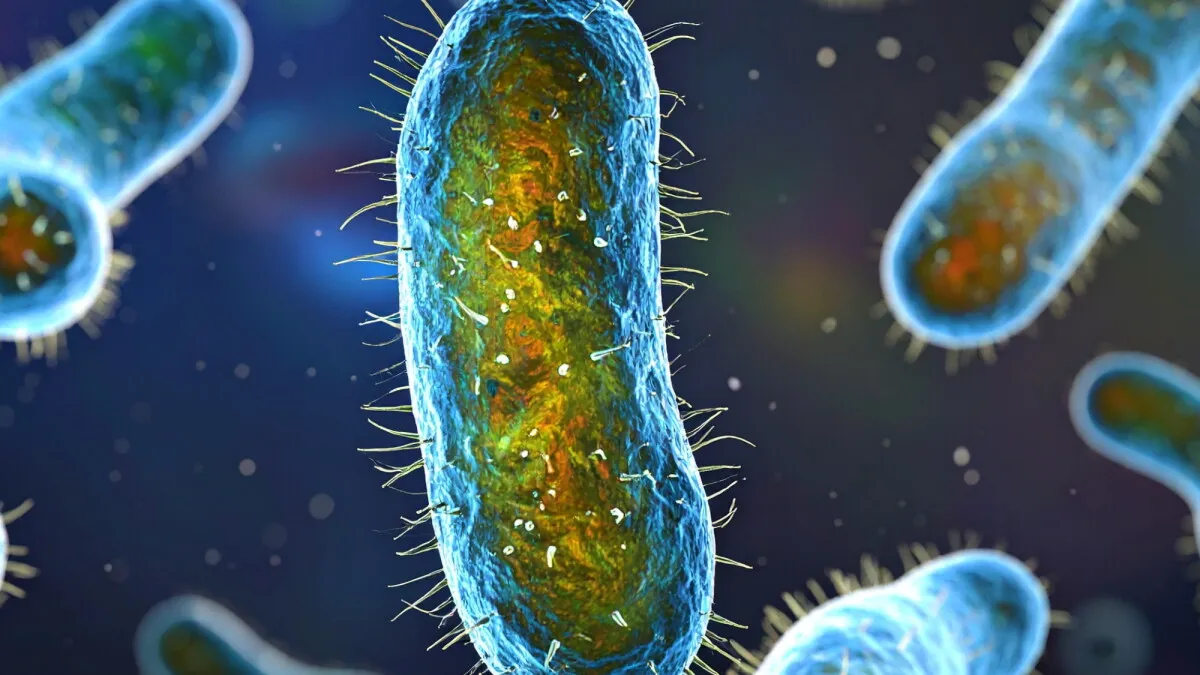
The dressing was put to the test against two notorious wound bacteria: Staphylococcus aureus and Pseudomonas aeruginosa. The outcome? A significant reduction in bacterial growth and biofilm formation. Dr. Xiang Ding, a research associate on the project, highlighted how the dressing's quick release of tetracycline and its two-layer design were key to its success, ensuring the antibiotic went exactly where it was needed.
Now, before you start asking your doctor for a plant-based bandage, there's more work to be done. Researchers need to fine-tune the antibiotic dose, figure out sterilization and storage, and scale up production. Then comes the regulatory approval and, eventually, clinical trials. Because, apparently, even super-smart plant bandages need to go through a rigorous vetting process.
But the potential is clear: a greener, more proactive way to keep wounds clean and healing, reducing our reliance on fossil fuels and potentially simplifying manufacturing. All thanks to a little bit of plant power and some very clever science.