Even as the universe considers a secret force that might slow everything down, humanity seems to be doing the exact opposite. Today, we saw a remarkable acceleration in how we learn, how we protect, and how we innovate, from tiny balconies to the vastness of space.
The Brains Behind the Breakthroughs
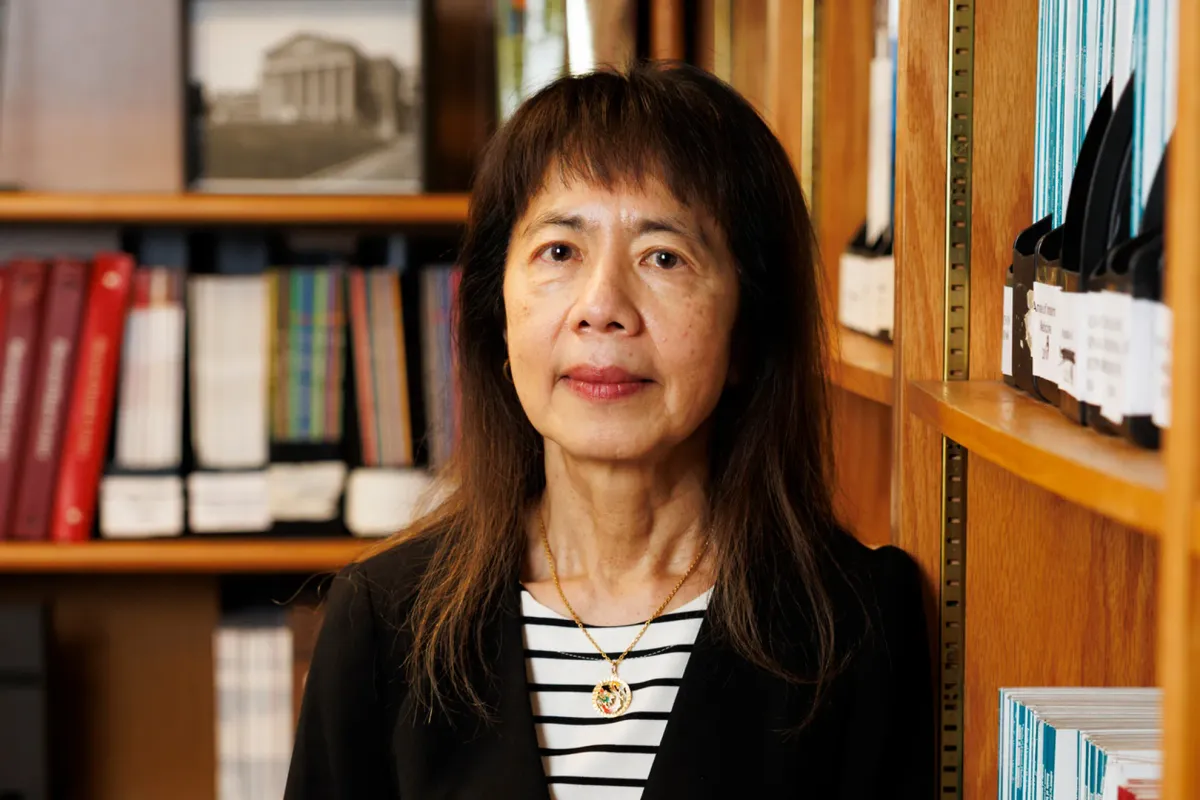
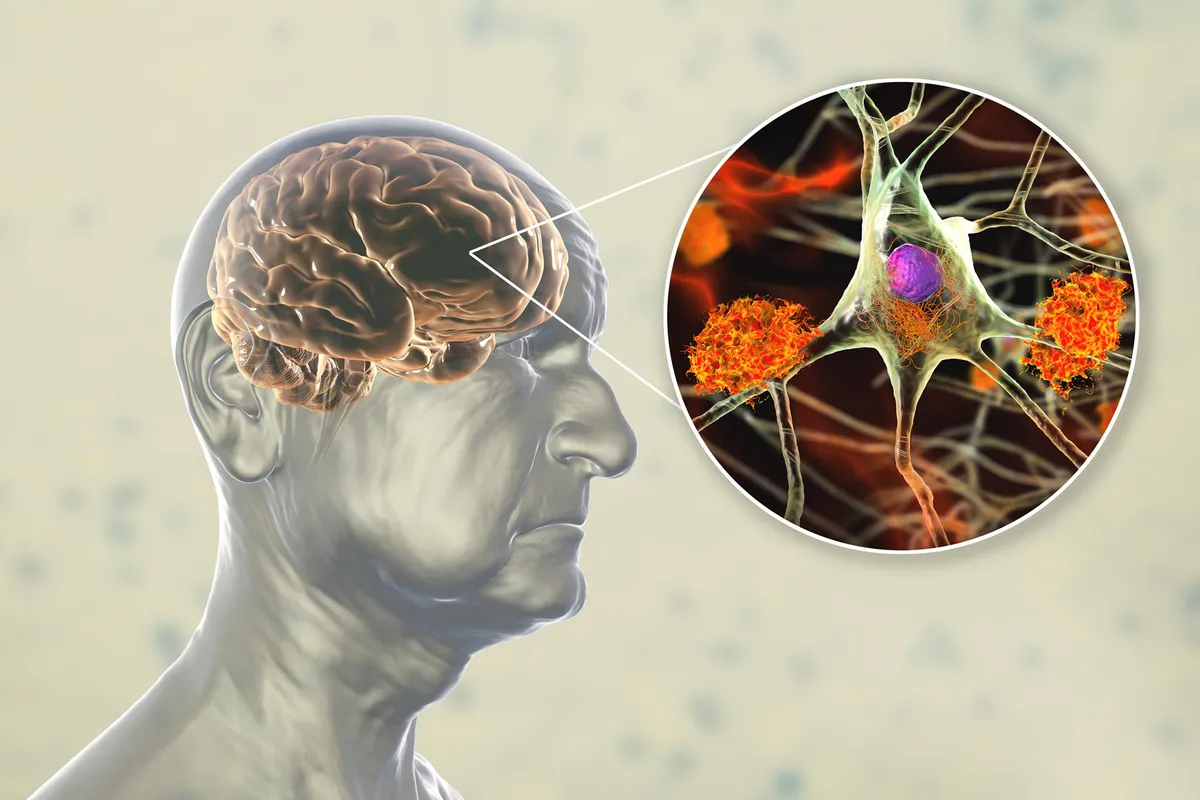
It turns out, the path to a sharper mind might be paved with polyphenols. New research highlighted that your morning tea, berries, and chocolate might help keep your brain agile. But beyond dietary tweaks, the very act of thinking is taking on new dimensions. Just this week, Nvidia, Microsoft, and SpaceX launched an AI Alliance to develop open tools for defending against cyber threats, showing that even the biggest tech titans understand the power of collective intelligence. And if you’ve ever wondered why we don't move enough, I-Min Lee, who went from barefoot laborer to Harvard epidemiologist, is researching just that. It seems whether we're feeding our brains or studying our habits, the quest for understanding is accelerating.
This means that the future of intelligence, both biological and artificial, isn't about isolated genius, but interconnected growth and collaborative defense.
We're a new kind of news feed.
Regular news is designed to drain you. We're a non-profit built to restore you. Every story we publish is scored for impact, progress, and hope.
Start Your News Detox"Ten years ago, I crossed the Aegean Sea in an overcrowded inflatable boat, hoping only to survive. I did not leave Syria because I wanted a different life. I left because the life I knew had disappeared." — Read the full story
Small Steps, Big Impact: Reclaiming Spaces and Lives
While grand alliances make headlines, the quiet acts of individuals are equally potent. Take Dipalee Nitin Rahangdale, a Delhi mom who beat burnout by turning her 98-sq-ft balcony into a lush jungle. Her story isn't just about plants; it's about reclaiming personal space and peace in a chaotic world. Similarly, the tale of Yusra Mardini, who escaped war, swam for her life, and became an Olympian, is a testament to individual resilience and the enduring promise of the 75-year-old Refugee Convention. Even on a public health scale, individual access made a difference: hundreds of thousands just got easier access to the morning-after pill in England, a quiet but profound shift in personal autonomy.
These stories remind us that progress often begins with one person, one decision, or one small space, proving that personal agency can ripple outwards to create broader change.
Guardians of the Natural World
Sometimes, the most compelling stories emerge when we pay closer attention to the less-celebrated corners of our planet. In Australia, Pat Lowe moved to the desert and found her life's calling among termites. Her decades-long dedication to understanding these tiny engineers, whose colonies alter the very soil of the Kimberley, highlights the immense value in studying overlooked ecosystems. Meanwhile, Mexican authorities intercepted a shipment of 105 queen ants concealed in toys destined for Laos, a stark reminder of the global, often illicit, trade in biodiversity. These contrasting stories — one of devoted study, the other of urgent intervention — underscore the critical need for both understanding and protection of the natural world, from the smallest insects to the largest landscapes.
What this means for you: Recognizing the intricate connections in nature, even those involving tiny insects, is crucial for preserving our shared environment.
Hope stat: 75 — years the Refugee Convention has stood, providing a lifeline for millions like Olympian Yusra Mardini. Watch this space: The upcoming total solar eclipse is not just a spectacle; NASA's sending jets and balloons to study it, promising new insights into our sun.