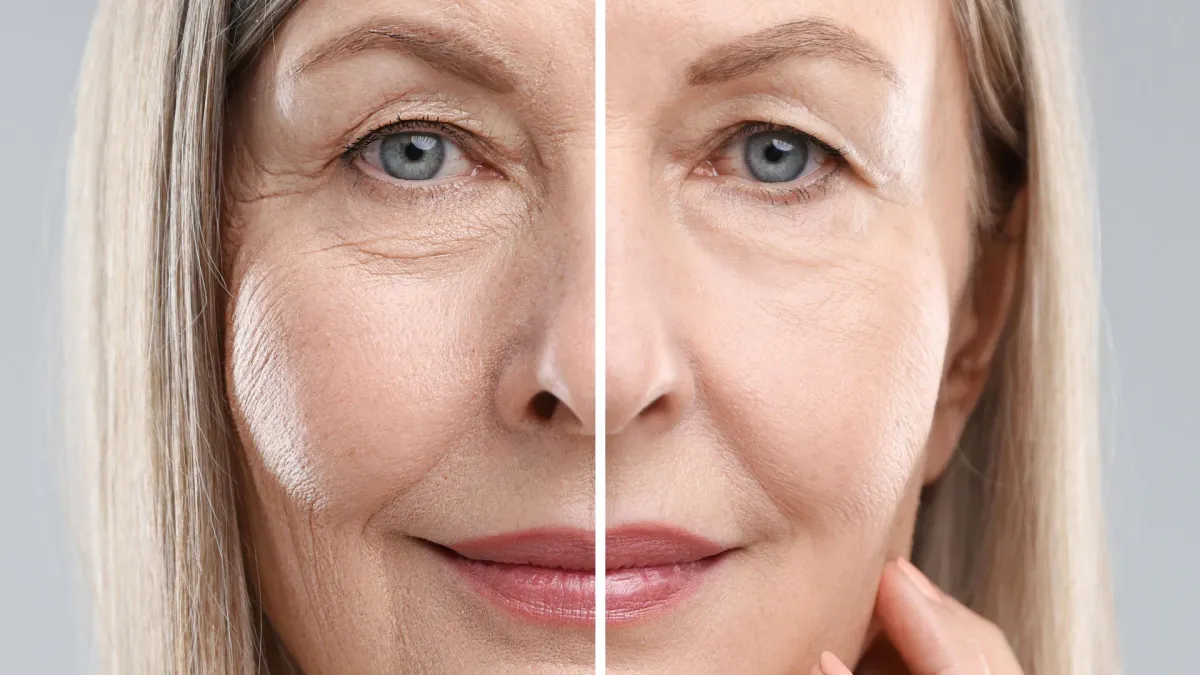
Older adults who changed their diet showed signs of reduced biological age in just four weeks. The best results came from participants eating an omnivorous diet that was lower in fat and higher in carbohydrates.
This new research from the University of Sydney suggests that simple dietary changes can quickly affect important markers of aging. Australians aged 65 to 75 who ate less dietary fat or animal-based protein showed signs of being biologically younger.
The findings were published in Aging Cell. Dr. Caitlin Andrews led the study. Researchers noted that these findings are early. More studies are needed to see if these changes last and if they lower the risk of age-related diseases.
We're a new kind of news feed.
Regular news is designed to drain you. We're a non-profit built to restore you. Every story we publish is scored for impact, progress, and hope.
Start Your News DetoxWhat Biological Age Means
Everyone ages chronologically at the same rate. However, biological aging is different.
Two people of the same age can have very different health. This includes heart health, metabolism, and inflammation. These differences explain why some people stay healthy longer, while others develop age-related problems earlier.
Scientists estimate biological age by looking at biomarkers. These are measurable body features that show health and how the body works. Researchers often combine these markers to get a full picture of how a body is aging.
For this study, the team used 20 different biomarkers. These included blood levels of cholesterol, insulin, and C-reactive protein. C-reactive protein measures inflammation.
These measures helped calculate a biological age score for participants in the Nutrition for Healthy Living study. This study was done at the University's Charles Perkins Centre.
Testing Four Diets
The study included 104 participants. They were randomly put into one of four diet groups.
Each diet got 14% of its energy from protein. Two diets were omnivorous, meaning half the protein came from animals and half from plants. The other two were semi-vegetarian, with 70% of protein from plants.
Within these groups, participants either had a diet higher in fat and lower in carbs, or lower in fat and higher in carbs.
This created four groups: omnivorous high-fat (OHF), omnivorous high-carbohydrate (OHC), semi-vegetarian high-fat (VHF), and semi-vegetarian high-carbohydrate (VHC).
Participants were 65 to 75 years old. Their BMI was between 20 and 35. They were non-smokers and not vegetarians. None had serious health issues like type-2 diabetes, cancer, or liver disease.
Three Diets Showed Younger Profiles
The omnivorous high-fat group did not show a meaningful change in their biological age. This diet was also most like what they ate before the study.
However, the other three groups all showed a reduction in their estimated biological age.
The strongest results were in the omnivorous high-carbohydrate group. These participants ate a diet with 14% protein, 28-29% fat, and 53% carbohydrates.
These findings suggest that eating less dietary fat, less animal protein, or both, can affect aging biomarkers in older adults quickly.
But a lower biological age does not mean aging has been permanently reversed.
Do the Effects Last?
Researchers don't know if these biomarker changes will last or lead to long-term biological age reversal.
They also can't say if these changes will reduce the risk of age-related diseases.
Associate Professor Alistair Senior, who supervised the research, said, "Longer term dietary changes are needed to assess whether dietary changes alter the risk of age-related diseases."
The study offers an early sign, not proof, that diet can extend life or slow aging.
Dr. Andrews noted, "It's too soon to say definitively that specific changes to diet will extend your life. But this research offers an early indication of the potential benefits of dietary changes later in life."
She added that future research should see if these findings apply to other groups and if the changes last.