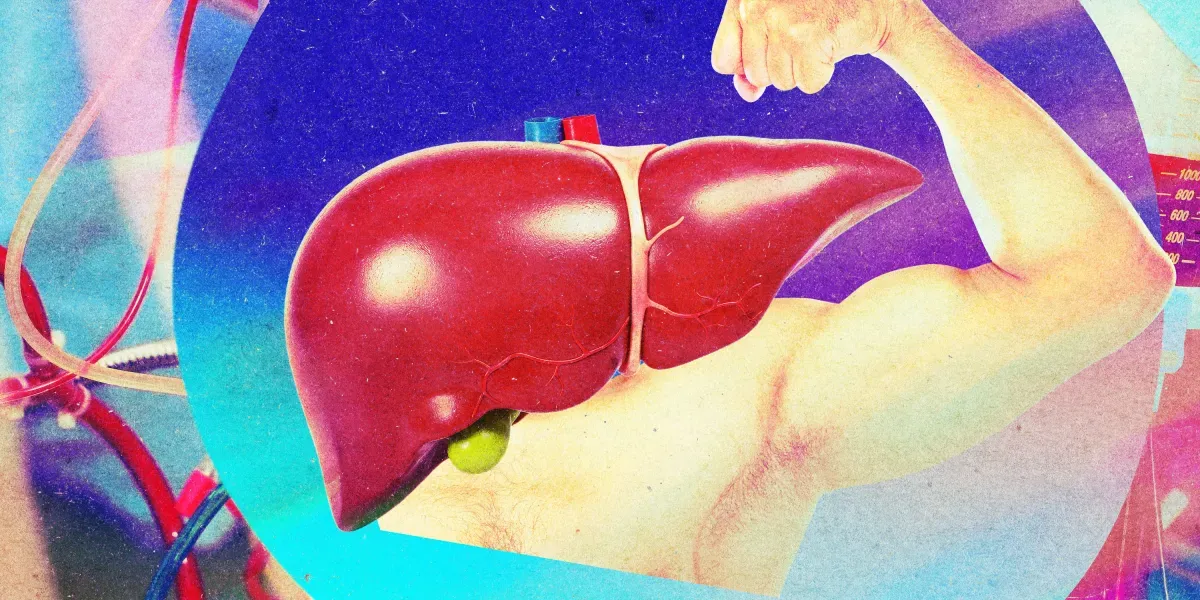
Perfusion machines might be making donated organs biologically younger. Scientists found that livers kept on these nutrient-pumping machines were about 30% younger than livers stored in the cold. This was true even when the perfused organs came from older donors.
These molecular changes offer clues about how perfusion works. Researchers saw shifts in gene activity related to inflammation, tissue structure, and how cells recycle themselves. These insights could lead to cheaper drug treatments that copy the rejuvenating effects of perfusion.
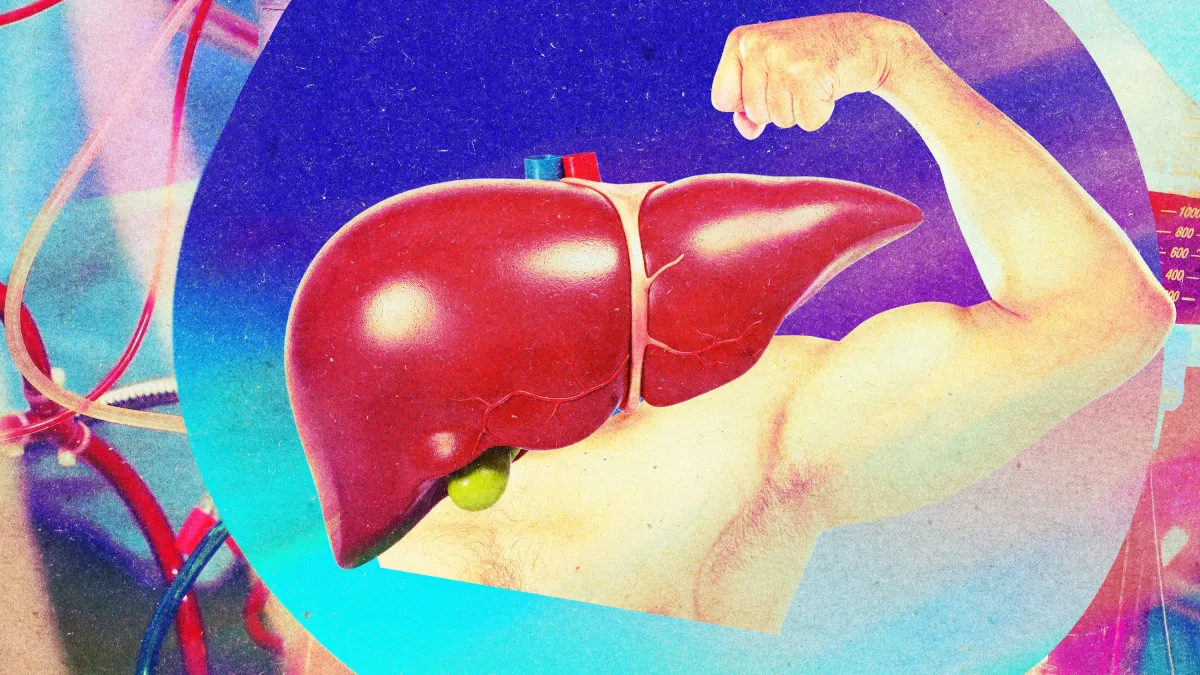
This technology is already changing transplant surgery. Surgeons used to avoid livers from donors over 40 who died from circulatory issues. Now, they regularly use organs from donors over 70. Transplant surgeon Heidi Yeh noted that perfusion has "completely changed the landscape of transplantation in the last three years."
We're a new kind of news feed.
Regular news is designed to drain you. We're a non-profit built to restore you. Every story we publish is scored for impact, progress, and hope.
Start Your News DetoxHow Perfusion Rejuvenates Organs
When an organ is removed from a donor, doctors usually cool it down with a preservative solution. This slows down degradation, but the organ still has a limited time before it must be transplanted.
Another method, perfusion, is becoming more common, especially for organs that aren't in perfect condition. Hospitals place these organs on machines that pump them with nutrients and remove waste for six to twelve hours. This process mimics being inside a body.
Perfusion allows doctors to check the organs. Recent studies suggest that organs treated this way perform better after transplant. Now, scientists have found that perfused organs actually seem to get younger at a molecular level.
This research offers molecular reasons why organs from younger donors often have higher success rates. It also helps explain why perfused organs are less likely to fail after transplantation.
Jesse Poganik, an aging researcher at Brigham and Women’s Hospital and co-author of the study, hopes this work will lead to new ways to test organ health. It could also help develop tools to repair organs that might otherwise be discarded. He believes improving organ use is a significant win.
Measuring Biological Age
Poganik and his team, including transplant surgeons Heidi Yeh and Alban Longchamp from Mass General Brigham, used "aging clocks" to assess donated livers. These tools measure biological age, which gives a better idea of an organ's health than its chronological age.
In an initial test, the team used a clock to look at chemical marks on DNA in 37 samples from 19 donated livers. These epigenetic patterns change with age. They found a "striking" pattern in perfused livers compared to cold-stored ones.
Yeh, who led the work, said that machine-perfused livers, even if older or less healthy, had a lower biological age than younger, non-perfused livers.
To learn more, Yeh and her colleagues analyzed 208 more samples from 103 donated livers. They used different aging clocks that measure how genes function. They studied samples taken after up to six hours of storage, either cold or on a perfusion machine.
They also took a second sample about an hour after the livers were transplanted. Longchamp explained that this biopsy is done quickly before closing the surgery.
The aging clocks showed that machine-perfused livers were biologically younger. Longchamp noted that pumping them with oxygen and nutrients at 34 degrees Celsius actually reversed their biological age. These findings have been shared at an industry conference.
Poganik stated that when adjusting for chronological age, the difference between perfused and non-perfused livers is about 30%. He believes perfusion clearly causes this effect.
The biological age of all livers tended to increase once placed in a recipient's body, likely due to stress. However, the perfused organs still remained biologically younger.
Nathanael Raschzok, a transplant surgeon not involved in the study, found the work impressive. However, he noted it's not yet clear what these changes mean for recipients. The study used organs from donors in their 30s, 40s, and 50s. Raschzok wants to know the effect of perfusion on livers from 80-year-old donors, as such organs are sometimes used.
He also suggested that understanding why organs get younger could lead to drug therapies. These drugs could achieve the same effect at a lower cost. Perfusion is expensive, costing about €10,000 in Germany and $80,000 to $100,000 per organ in the US.
Molecular Clues and Future Solutions
Yeh and her team couldn't study most livers before perfusion. This is because donated organs are generally not under hospital control until they are on perfusion machines.
However, by examining the genes and molecular pathways altered in perfused organs, they found clues. At a molecular level, they saw changes in cell pathways related to inflammation and tissue structure. Yeh also noted increased activity in a pathway that helps cells remove and recycle damaged parts.
Poganik hopes to create a test to determine which organs are suitable for transplant based on their biological age. He and his colleagues are also testing potential drug treatments to further lower an organ's biological age.
Yeh believes that any liver not from a "perfect, young, brain-dead donor" could benefit from perfusion. The devices are already changing transplant surgery. A few years ago, she and her colleagues avoided livers from circulatory-death donors over 40. Today, they use livers from such donors over 70. She reiterated that perfusion has "completely changed the landscape of transplantation in the last three years."