Good news for anyone who appreciates modern convenience and accessible healthcare: hundreds of thousands of women in England have just bypassed the doctor's office entirely to get a free morning-after pill from their local pharmacy.
This isn't just a handful of people; new NHS figures show nearly 305,000 doses were dispensed through this new pharmacy service between October 2025 and March 2026. That's a lot of avoided appointments and saved time, which, let's be honest, is a win for everyone involved.
No Appointment, No Problem
The morning-after pill, or emergency contraception, works best when taken within three to five days of unprotected sex, primarily by stopping or delaying ovulation. The sooner, the better, as they say. Before this new scheme, getting it often meant playing phone tag with a GP or waiting for a sexual health clinic appointment. Because, apparently, timing is everything when it comes to preventing an unwanted pregnancy, but bureaucracy rarely gets the memo.
We're a new kind of news feed.
Regular news is designed to drain you. We're a non-profit built to restore you. Every story we publish is scored for impact, progress, and hope.
Start Your News DetoxAnother option, for the record, is an IUD, which can prevent pregnancy if fitted within five days. But for many, a quick trip to the pharmacy is a significantly less invasive and more immediate solution.
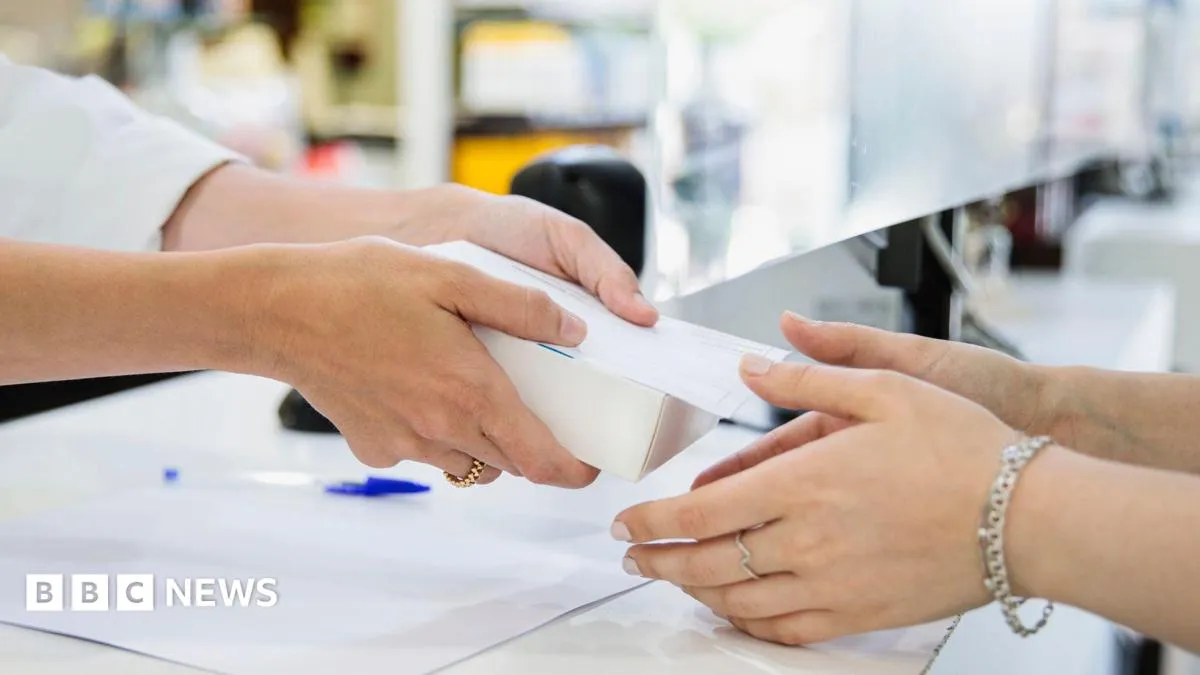
The government introduced this free pharmacy service to dismantle what they called "unfair" barriers. Before October, access to emergency contraception was a postcode lottery, which is exactly as frustrating as it sounds. Now, women can simply pop into a participating pharmacy for a confidential chat with a specially trained pharmacist or technician and walk out with the medication on the same day. It's almost like they decided healthcare should be easy.
For comparison, in 2024/25, the NHS issued about 150,000 prescriptions for the morning-after pill. The new pharmacy service has already blown past that number in just six months. Dr. Sue Mann, NHS National Clinical Director for Women's Health, called it a "major step forward," highlighting the "no appointment, no waiting and no judgement" approach.
She noted that it's already making a significant difference, especially in less affluent areas, bringing crucial contraception closer to home. Because sometimes, the biggest innovations are simply making things more accessible, less stressful, and a little bit more human.