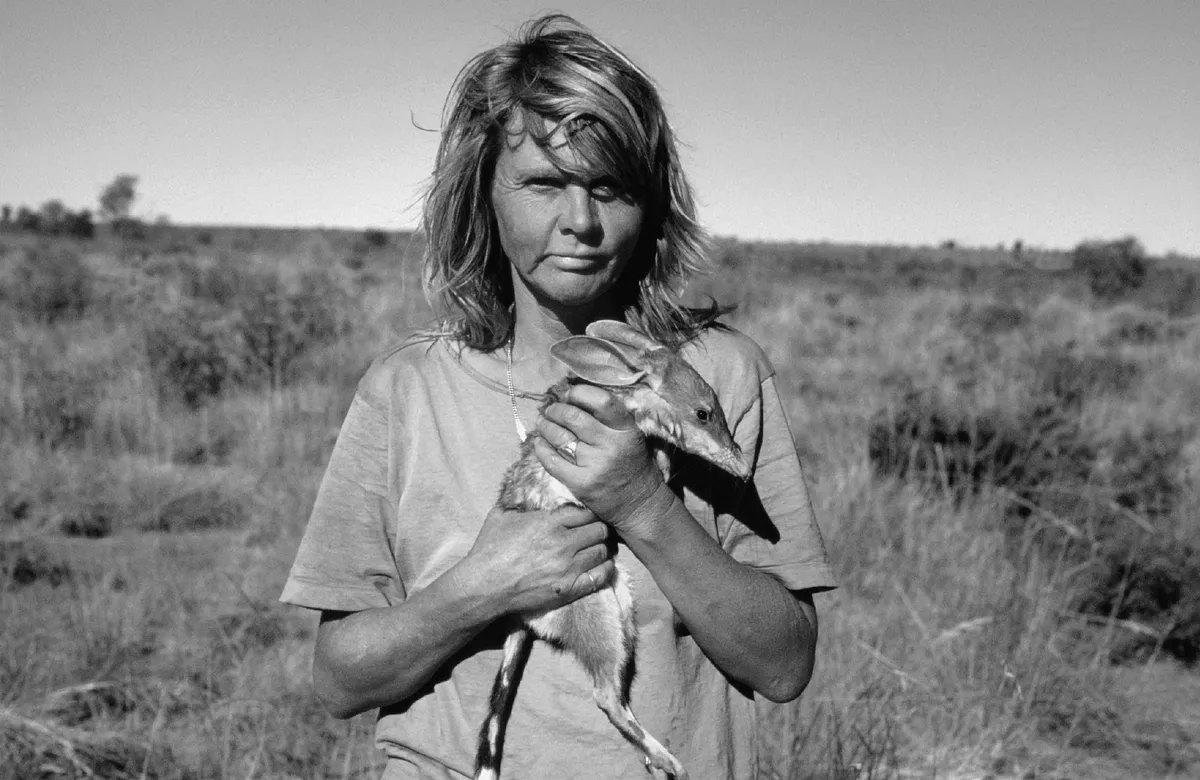
Pat Lowe, who recently passed at 84, was the kind of person who could make you genuinely fascinated by a termite mound. And not just because she was a psychologist, writer, and environmental activist. She was simply that good at observing the world around her, from the smallest insect to the sprawling pindan woodlands of Western Australia.
Lowe spent decades not just admiring the Kimberley region, but deeply understanding it. Her conservation instincts weren't born in a lecture hall; they grew from years of quiet observation, watching how the landscape actually worked. She poured over the often-overlooked — termites, boab trees, desert plants — combining Aboriginal knowledge, scientific research, and her own sharp eyes to write a whole book about the humble termite. Which, if you think about it, is both impressive and slightly terrifying.

Her journey to this remote corner of the world started far away. Born in England in 1942, she trained as a teacher, worked in East Africa, and eventually landed in Australia, where she became a psychologist in the prison system.
We're a new kind of news feed.
Regular news is designed to drain you. We're a non-profit built to restore you. Every story we publish is scored for impact, progress, and hope.
Start Your News DetoxIt was at Fremantle Prison that she met Jimmy Pike, a Walmajarri man and soon-to-be celebrated Indigenous artist. After his release, they spent three years living at Kurlku, a remote desert camp. Pike became her guide, teaching her the intricate routes, seasons, foods, and history of his ancestral lands. Lowe, ever the keen observer, absorbed Walmajarri words and listened to stories that shaped her understanding of a place she would dedicate her life to describing and defending.