Perfectly preserved plant crystals show that Indigenous Australians brought grasses into a cave for ritual burning. This tradition dates back to the last Ice Age, about 25,000 years ago.
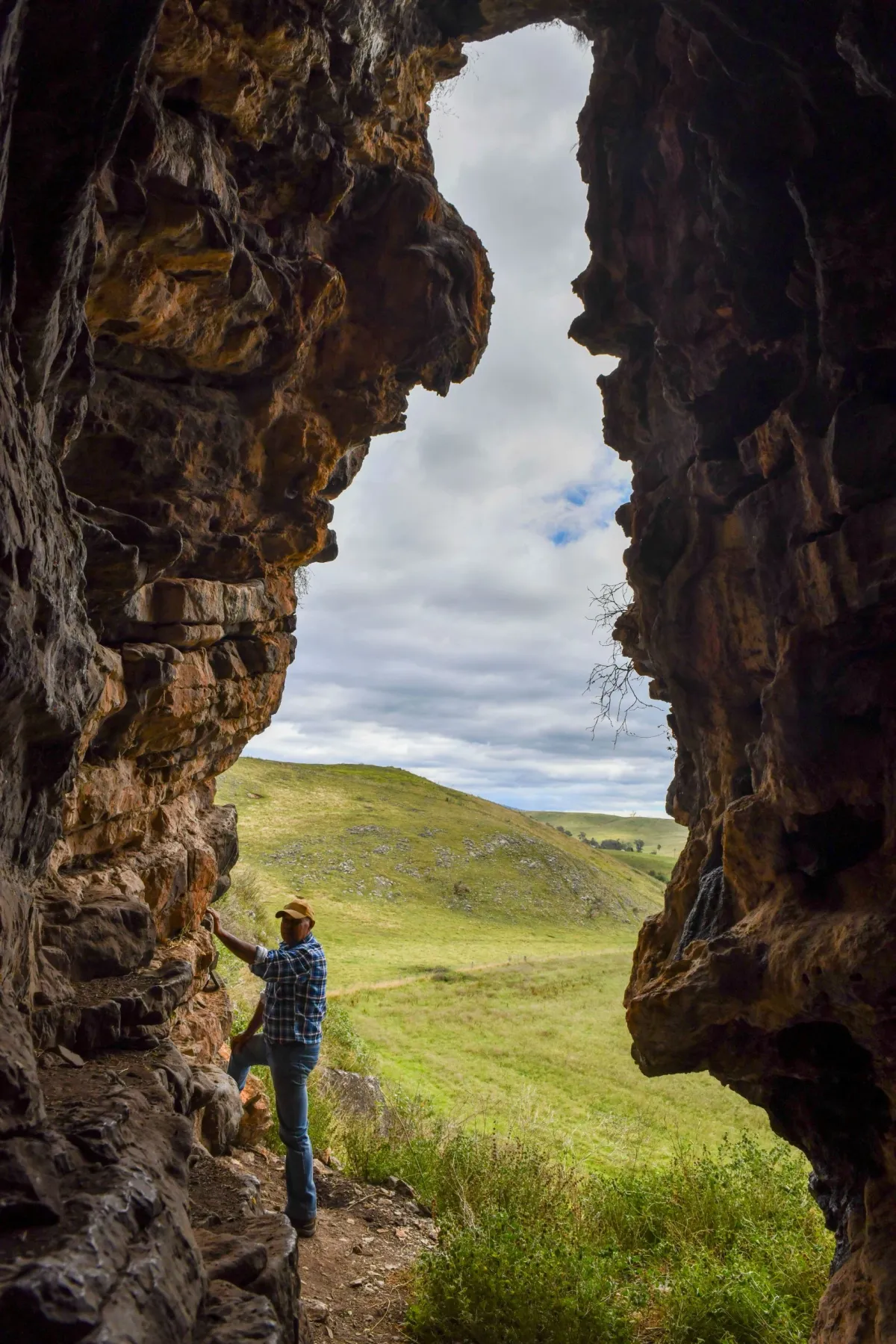
Ash layers inside Cloggs Cave reveal that people repeatedly carried whole grasses underground and burned them. The cave is on the traditional lands of the GunaiKurnai, an Australian Aboriginal nation. They are the recognized guardians of Gippsland and the southern Victorian Alps.
Ancient Rituals in Cloggs Cave
GunaiKurnai oral traditions and historical accounts from the 1800s describe caves in this area. They were places where powerful learned women and men, called 'mulla-mullung,' performed rituals. These rituals involved magic, healing, and cursing. Evidence suggests that ancestors visited Cloggs Cave for such activities over the past 25,000 years.
We're a new kind of news feed.
Regular news is designed to drain you. We're a non-profit built to restore you. Every story we publish is scored for impact, progress, and hope.
Start Your News DetoxDr. Elle Grono, a researcher at the Australian National University, led a new study. She explained that ancestors selected whole grasses and brought them into Cloggs Cave. They spread these grasses in thin layers and burned them. Over time, dirt covered these burned layers, preserving them for thousands of years.
Grono worked with researchers from Australia, France, and New Zealand. They studied phytoliths, which are tiny silica structures found in plant tissues. These were found in the cave's buried deposits. This research was part of archaeological digs in 2019 and 2020. The goal was to understand how people gathered and used plants inside Cloggs Cave.
The GunaiKurnai Land and Waters Corporation asked for these excavations. Community members helped design the study, do fieldwork, understand the findings, and share the results.
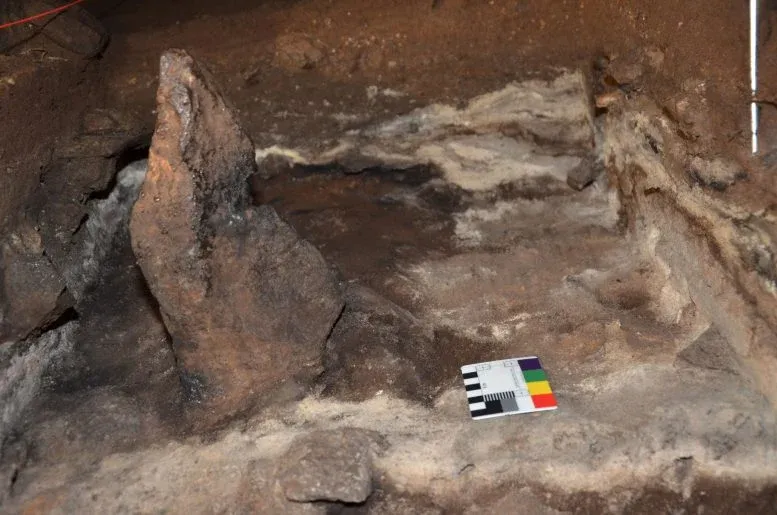
Evidence from Ash Layers
Phytoliths usually stay where a plant decays. No plants grow inside the cave because there is no light. So, the phytoliths must have been brought in by people or animals. Grono focused on half-burned phytoliths from ash layers. These could only have been brought in by people.
Researchers used microscopes to classify thousands of phytoliths. These came from two excavated pits, 1.5 meters and 2.3 meters deep. The upper parts contained 73 thin ash layers. People deposited these layers between about 4,400 and 1,600 years ago.
Scientists used special dating methods to determine these ages. They also found an unexpected 28-cm-high standing stone within the ash deposits. Analysis showed that ancestors had placed it inside the cave for ritual purposes about 2,000 years ago.
Deliberate Selection of Grasses
Researchers found 29 types of phytoliths from grasses, herbs, and woody plants. Most were very well preserved. Grass phytoliths made up most of the material, sometimes as much as 97%. These included grasses that grow in cool conditions and those that thrive in warm, humid places.
There was less evidence of drought-resistant grasses. Woody plants and herbs were also uncommon. This pattern shows that ancestors did not bring plants into the cave randomly. They mostly avoided plants growing in the nearby forest. Instead, they specifically collected grasses from a short distance away.
Grono noted that phytoliths from different parts of grass plants were found. This means whole grasses, including parts that could not be eaten, were brought into the cave.
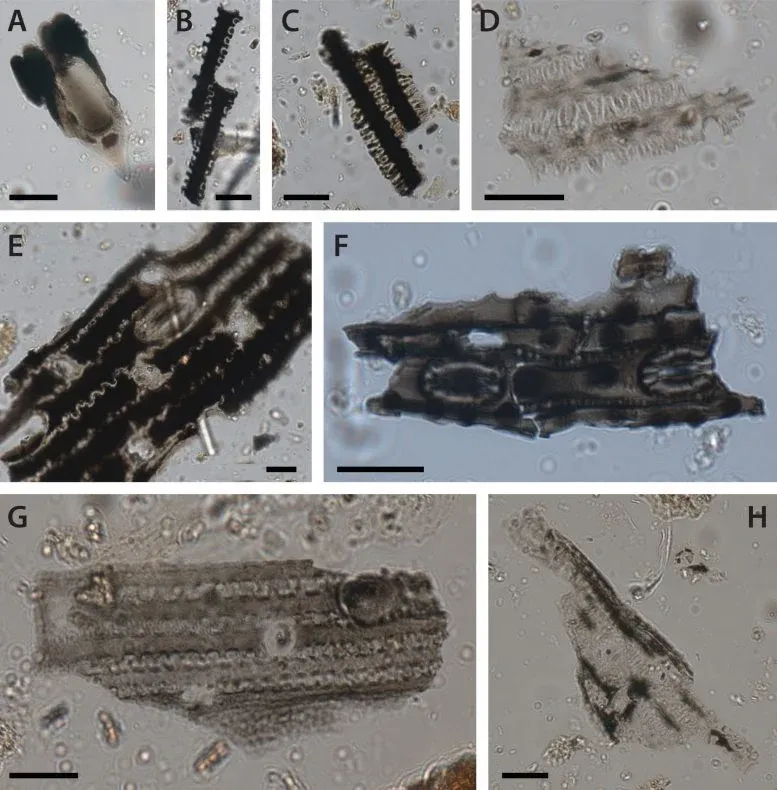
Up to 18% of the phytoliths showed signs of burning or melting. This evidence was found throughout the dated deposits. It indicates that people repeatedly carried plants into Cloggs Cave and burned them over 25,000 years.
Professor Bruno David from Monash University co-led the excavations. He concluded that the burning fits with GunaiKurnai traditions. They used ash for magic and rituals. They also used it to track anyone entering the cave, including spirit-Beings. Other evidence, like fat-smeared wooden sticks, was found in older deposits. This shows other rituals using woody plants were also performed.
Deep Dive & References
Phytoliths from Cloggs Cave, GunaiKurnai country (southeastern Australia) reveal the gathering of whole grasses for burning practices inside the cave - Frontiers in Environmental Archaeology, 2026