Your kidneys are basically tiny, highly efficient bouncers for your bloodstream. Every day, they filter about 50 gallons of the good stuff, making sure all the junk gets shown the door. But like any good bouncer, they can get knocked around a bit by illness or injury.
When that happens, it's not just about the damage; it's about whether they can bounce back. And a new discovery suggests your kidneys have a surprisingly sophisticated chat going on to make that happen.
Acute kidney injury (AKI) is a pretty common problem, hitting about one in five hospitalized adults. Think severe infections, surgery gone sideways, or just plain dehydration. Even if you survive, if the healing isn't quite right, it can lead to chronic kidney disease. Which, let's be honest, sounds like a very long, very uncomfortable party.
We're a new kind of news feed.
Regular news is designed to drain you. We're a non-profit built to restore you. Every story we publish is scored for impact, progress, and hope.
Start Your News DetoxThe Kidney's Secret Service
Researchers at Tulane University just pulled back the curtain on how these essential organs rebuild their internal security system after taking a hit. Turns out, it's all thanks to these unsung heroes called kidney-resident macrophages.
These macrophages are the kidney's first responders, clearing out dead tissue, sniffing out infections, and generally keeping the peace. But how this intricate network restores itself after a major incident has been a bit of a mystery. Until now.
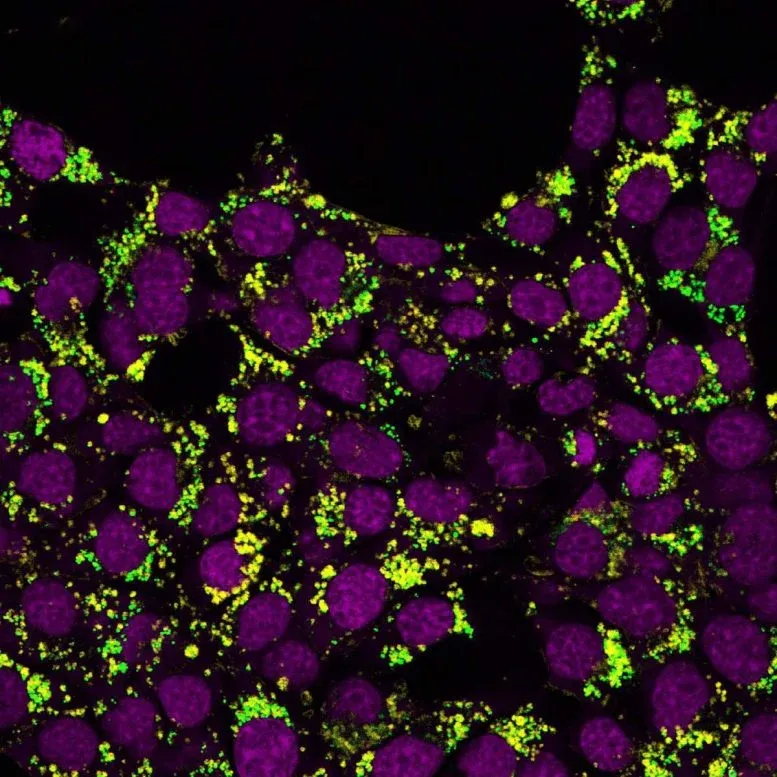
Led by Xuebin Qin, the team used fancy tech like single-cell RNA sequencing (which sounds like something out of a spy movie) to track individual immune cells as they returned to the kidney. What they found was less about simply replacing cells and more about a molecular pow-wow.
A Very Important Conversation
It's a complex conversation, apparently. The cells lining the kidney, called epithelial cells, quickly start pumping out chemical signals. These are essentially recruitment calls, drawing in new macrophages.
As these fresh recruits arrive, they don't just jump straight back into action. They transform, moving from an early, slightly inflammatory state to cells that are all about tissue repair. And here's the kicker: throughout this entire process, these macrophages and the nearby kidney cells are constantly exchanging signals. It's a non-stop feedback loop, ensuring the immune environment gets back to normal.
Understanding this natural rebuilding process is crucial, says Qin, especially for developing new therapies that could actually improve recovery and prevent long-term damage. Because if there's one thing we can all agree on, it's that our kidneys deserve a good chat and a solid defense plan.
Let's hope this discovery means fewer people will be dealing with the long-term fallout of kidney injury, all thanks to some well-placed molecular gossip.