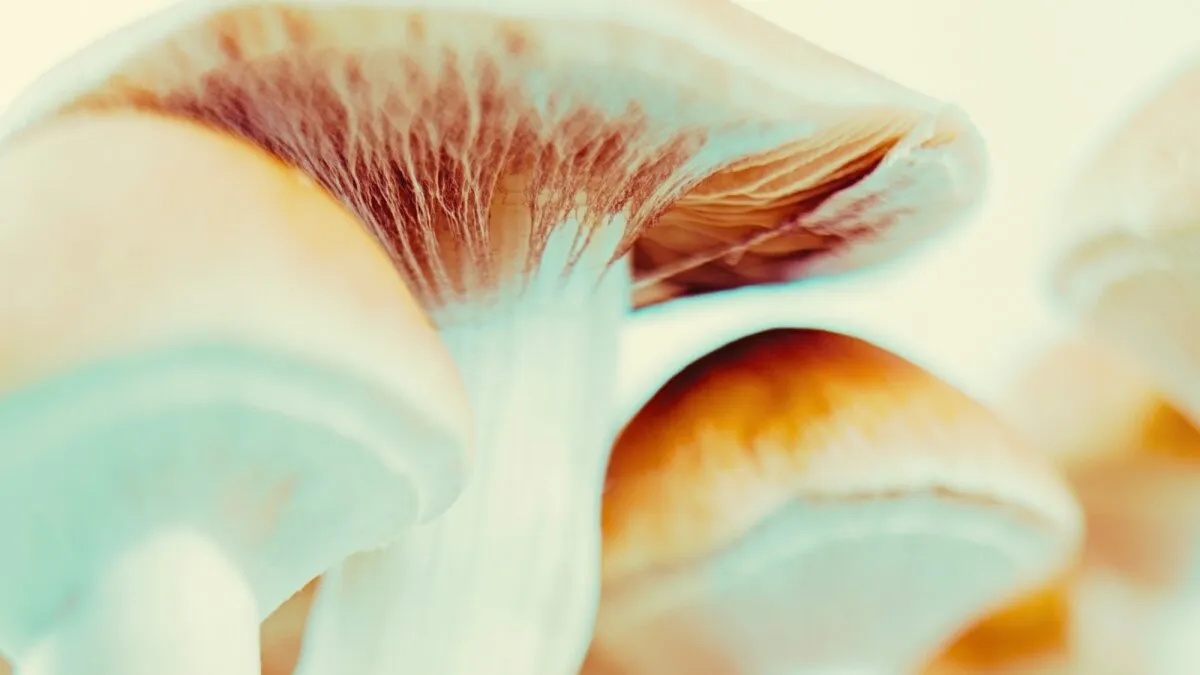
Magic mushrooms usually lead to a good time, or at least a very confusing one, not a sudden reversal of severe cognitive decline. Yet, a recent case study has scientists raising a collective eyebrow, wondering if psilocybin, the psychedelic compound, might just have a few more tricks up its sleeve for the aging brain.
The Unbelievable Turnaround
Meet the 82-year-old woman at the center of this mind-bending tale. For a decade, Alzheimer's had been steadily stealing her away, reducing her communication to single words for the last five years. Walking, dressing, even bladder control — all gone. She needed constant care. Then came the mushrooms.
She took five grams of psilocybin mushrooms (potency unknown, because, well, nature). What followed was an intense experience: heavy sweating, a long, deep sleep. Roughly 19 hours later, she awoke. And started speaking. And remembering. In the days and weeks that followed, her caregivers watched in astonishment. She recognized family, walked with more independence, dressed herself, and regained bladder control. A month later, a second, smaller dose seemed to cement the changes. More expressive. More agile. It was, to put it mildly, an unexpected plot twist.
We're a new kind of news feed.
Regular news is designed to drain you. We're a non-profit built to restore you. Every story we publish is scored for impact, progress, and hope.
Start Your News DetoxThis story echoes the famous cases in Oliver Sacks's Awakenings, where patients suddenly regained lost abilities after taking the Parkinson's drug L-dopa. Different conditions, different drugs, but the same profound question: How much function might still be lurking in a damaged brain, just waiting for the right key?
Why We're Not Tripping to the Pharmacy Yet
Before you start foraging, a crucial caveat: This is a single case study, not a clinical trial. Her Alzheimer's diagnosis was based on history, not confirmed by the biological markers scientists usually rely on. There was no control group, no standardized tests before and after. Just the observations of her caregivers and family.
Alzheimer's involves a messy tangle of abnormal proteins, inflammation, and dying brain cells. There's no evidence psilocybin reversed any of that. The authors theorize it might have temporarily rewired existing, healthy brain networks, making those lost abilities accessible again. A kind of neural shortcut, perhaps. But without brain scans, it's just a very compelling theory.
The Brain's Secret Weapon: Plasticity
Scientists are intrigued because the brain, it turns out, is far more adaptable than we once thought. For most of the 20th century, the adult brain was considered a done deal, fixed in its ways. Now, we know it's a dynamic, ever-changing landscape, capable of reorganizing itself and forming new connections — a process called neuroplasticity.
This neuroplasticity helps us learn, remember, and recover from injury, though it does slow down with age and dementia. Psilocybin primarily interacts with a specific serotonin receptor (5-HT2A), and animal studies suggest it can encourage the growth of tiny communication points on nerve cells called dendritic spines. It might also boost brain-derived neurotrophic factor (BDNF), a protein vital for maintaining nerve cell connections. Brain imaging shows psilocybin temporarily shakes up how large brain networks communicate, making them less rigid. And while we're not talking about a cure, psilocybin has shown promise in clinical trials for treating depression, anxiety, and some addictions.
Of course, there are risks. Psychedelic experiences can be intense and disorienting, especially for vulnerable individuals. Older adults might face higher risks of falls or heart issues. The woman in the report experienced heavy sweating and a long, sleep-like state. This is not a DIY project.
But this remarkable case does offer a tantalizing glimpse: even after years of severe cognitive decline, some dormant abilities might just be waiting to be reawakened. Now, to figure out how, and if it could work for anyone else, we'll need a lot more science – and a lot more controlled research. Because, apparently, even our brains have a few surprises left in them.