Back in the 1990s, geochemist Barbara Sherwood Lollar was spelunking through the Kidd Creek mine in northern Ontario. Her team stumbled upon water that had been trapped underground for over a billion years. The kicker? Microbes were thriving in it, feasting on hydrogen that formed when water met rock. Talk about ancient, self-sustaining ecosystems.
Fast forward a few decades, and Sherwood Lollar, now at the University of Toronto, decided to re-examine her team's old hydrogen data. The question: Could this subterranean gas be a real, zero-carbon fuel source? Because if we could tap into Earth's own hydrogen reserves, it would be less of a win for the new hydrogen economy and more of a grand slam.
The Planet's Secret Stash
Hydrogen fuel is the clean-burning energy dream, but making it usually involves a lot of greenhouse gases and more energy input than you get out. Not exactly a net positive. But what if the planet just... made it for us? Enter "geologic hydrogen" — naturally occurring reservoirs hiding beneath our feet.
We're a new kind of news feed.
Regular news is designed to drain you. We're a non-profit built to restore you. Every story we publish is scored for impact, progress, and hope.
Start Your News DetoxTurns out, Earth is a hydrogen factory. It forms when water reacts with iron-rich rocks, or through the radioactive decay of elements (like in the Kidd Creek mine). Now, everyone from venture-backed startups like Koloma (yes, Bill Gates is involved) to companies like HyTerra are scrambling to find these hidden stashes, particularly in places like the US Midwest, where ancient oceanic rocks might be holding the key.
The US Geological Survey estimates a mind-boggling trillions of tons are generated in the Earth's crust. Even a tiny fraction of that could power global hydrogen needs for centuries. The catch? No one's found a commercially viable amount yet. And companies are playing their cards close to the vest, because, well, competition.
Sherwood Lollar and her colleague Oliver Warr crunched over a decade of data from 35 boreholes at Kidd Creek. Their discovery: each borehole consistently released about eight kilograms of hydrogen per year. With over 14,000 boreholes in the mine, that's roughly 140 metric tons of hydrogen just flowing out, unused, every single year. Let that satisfying number sink in.
It's not a colossal amount, as published in PNAS, but Sherwood Lollar notes that if fully captured, it could be a modest energy source — perhaps even powering a large chunk of the mine's operations. Which, if you think about it, is both impressive and slightly terrifying that we're only just realizing it.
Laurent Truche, a geochemist from the University of Grenoble Alpes, agrees, stating the Kidd Creek results add to "growing evidence that natural hydrogen generation and migration are genuine geological processes." His team found a similar flow of at least 200 metric tons per year from the Bulqizë chromium mine in Albania. The real challenge, he points out, isn't proving hydrogen exists, but proving we can reliably and affordably get it out of the ground at scale.
Giving Nature a Nudge
But finding a massive natural reservoir isn't the only play. What if we could just... speed things up? Researchers and startups are experimenting with injecting water, heat, or catalysts into hydrogen-producing rocks. ARPA-E is funding over a dozen projects aiming to accelerate the natural reaction by 10,000 times. Because apparently that's where we are now.
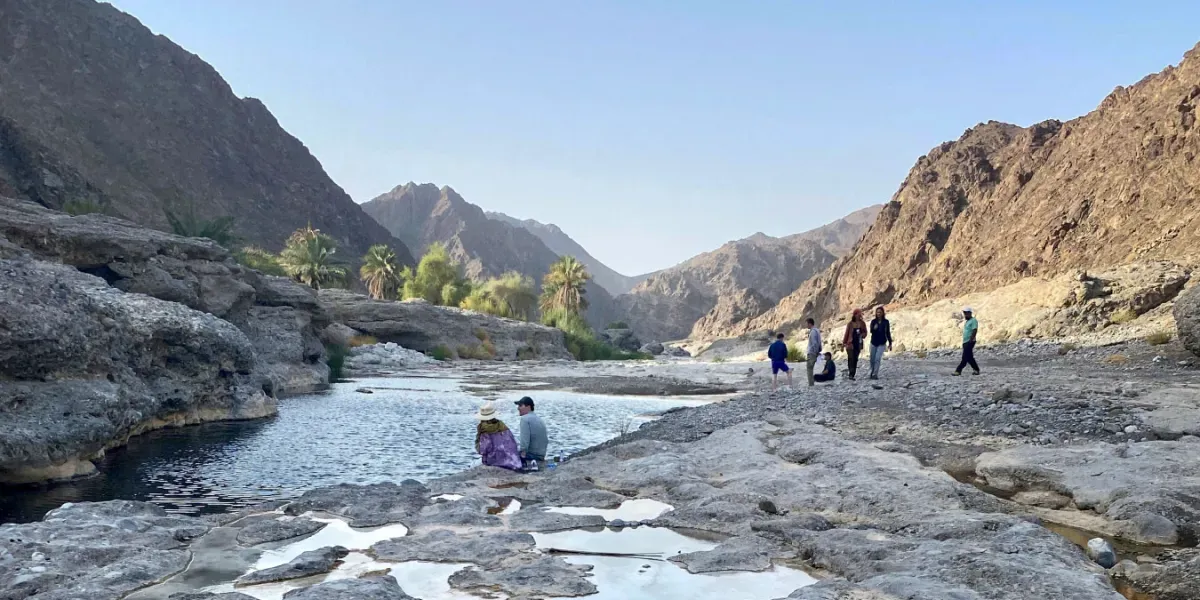
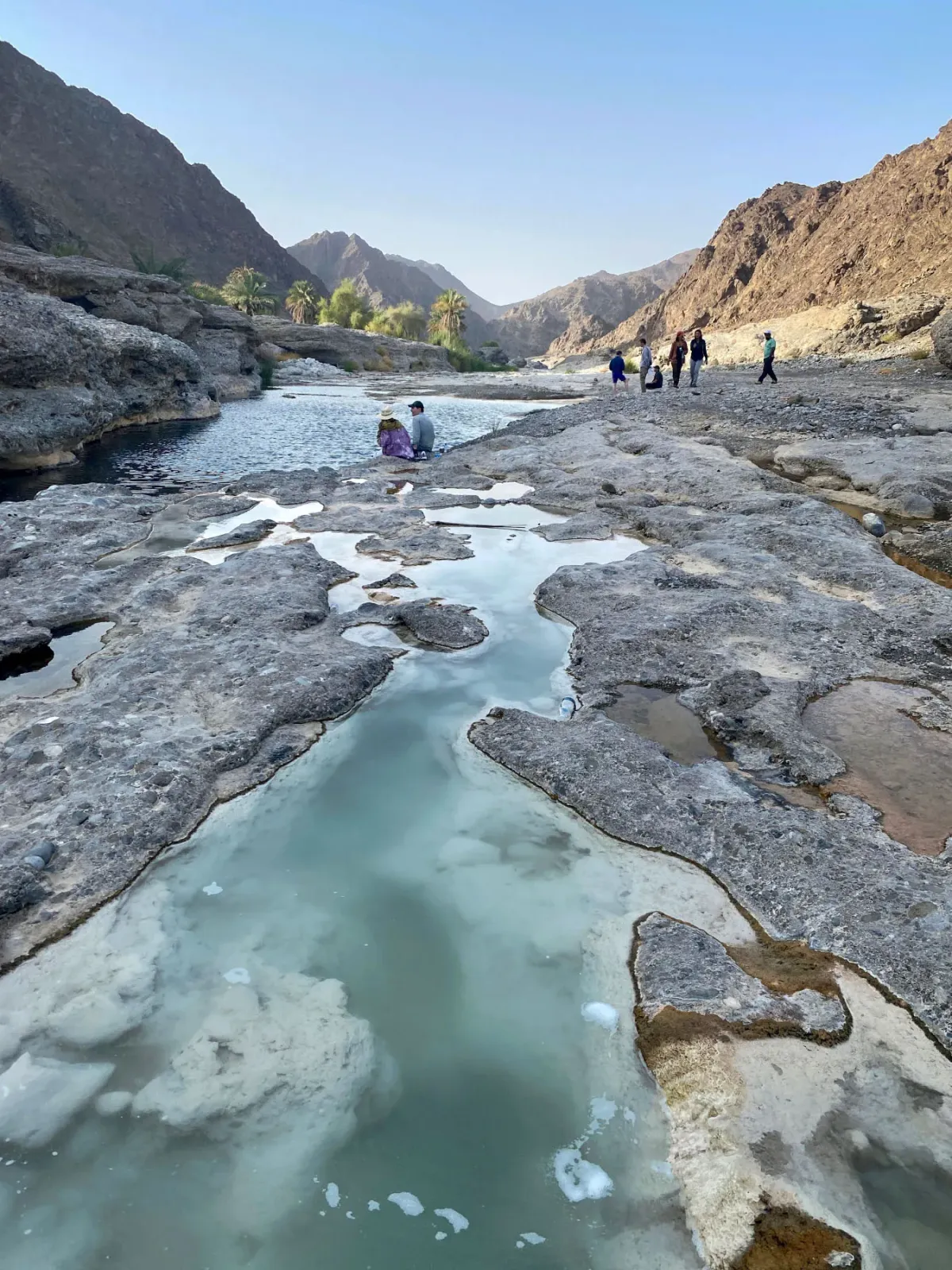
Earlier this year, a team in Oman drilled a one-kilometer borehole and pumped in 50,000 cubic meters of water. Several months later, gas was spewing out, 90% of it hydrogen. Jo Shannon, a geoscientist from the University of Southampton, shared this promising update at a conference. The big question, of course, is whether the hydrogen was stimulated or just already there, waiting for its moment in the spotlight. Either way, Earth's got some secrets, and we're finally starting to dig them up.