Electric vehicles are great, but the magnets inside their motors? Not so much for the planet. Turns out, the rare-earth materials that give these magnets their oomph often come with a hefty environmental price tag and some rather finicky supply chains.
Enter YASA, a British company that just got a chunk of UK government funding to figure out how to build powerful electric motors without any of that rare-earth fuss. Because apparently, that's where we are now: designing the future of cars while simultaneously trying not to break the planet or rely on a handful of quarries.
The Quest for Sustainable Power
For years, these rare-earth magnets have been the secret sauce for making electric motors both strong and compact — two things car manufacturers really, really like. But as the world shifts to EVs, the industry's getting a bit antsy about where these materials come from, how they're extracted, and whether they'll even be available next Tuesday.
We're a new kind of news feed.
Regular news is designed to drain you. We're a non-profit built to restore you. Every story we publish is scored for impact, progress, and hope.
Start Your News DetoxSo, YASA's new "Project Resilience" is tackling the problem from two angles. Because, as Tom Hillman, YASA's Head of Motor Simulation, points out, different cars have different needs. A high-performance sports car isn't looking for the same motor as, say, your neighbor's hybrid minivan. They all need power, efficiency, and to fit in the car, but the specifics vary wildly.
One approach is looking at designs that completely ditch the heavy rare-earth materials, which are the real troublemakers when it comes to extraction and processing. The goal is to keep the motors just as powerful and compact, without adding weight or bulk.
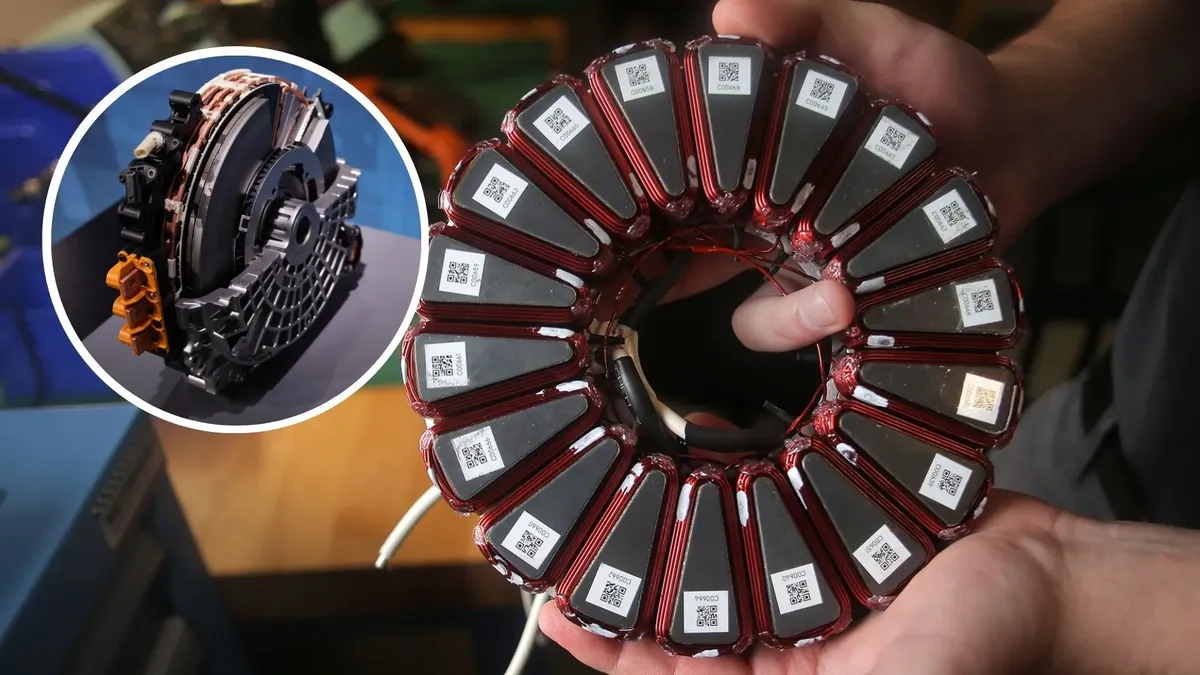
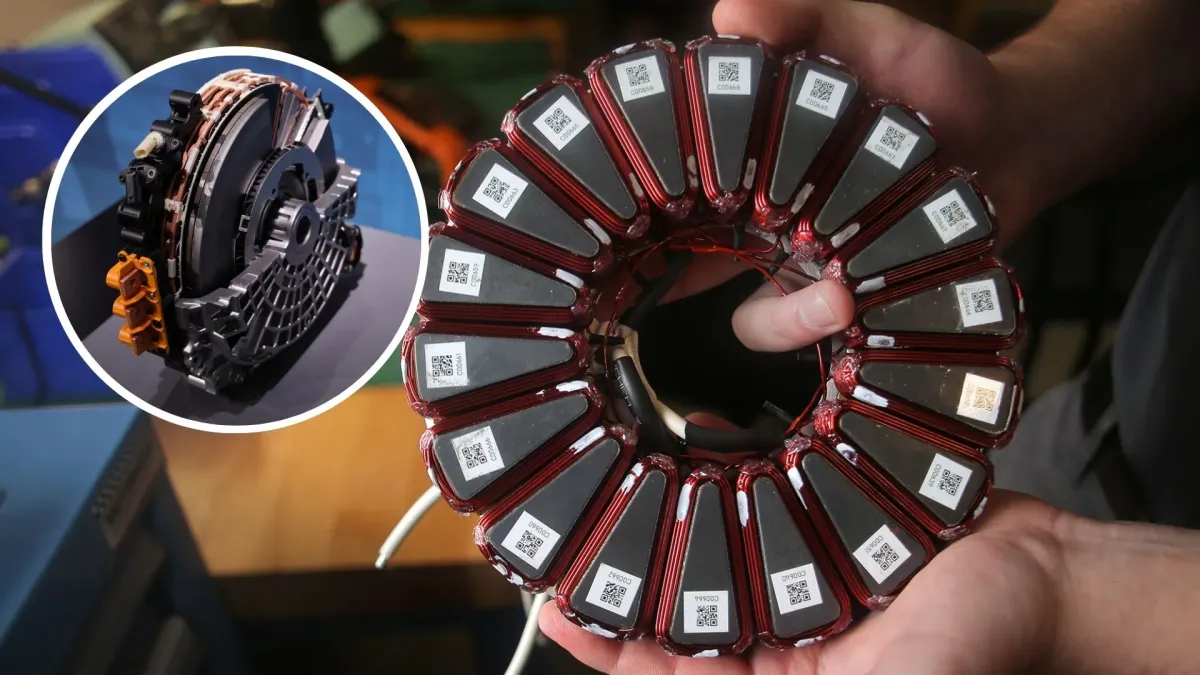
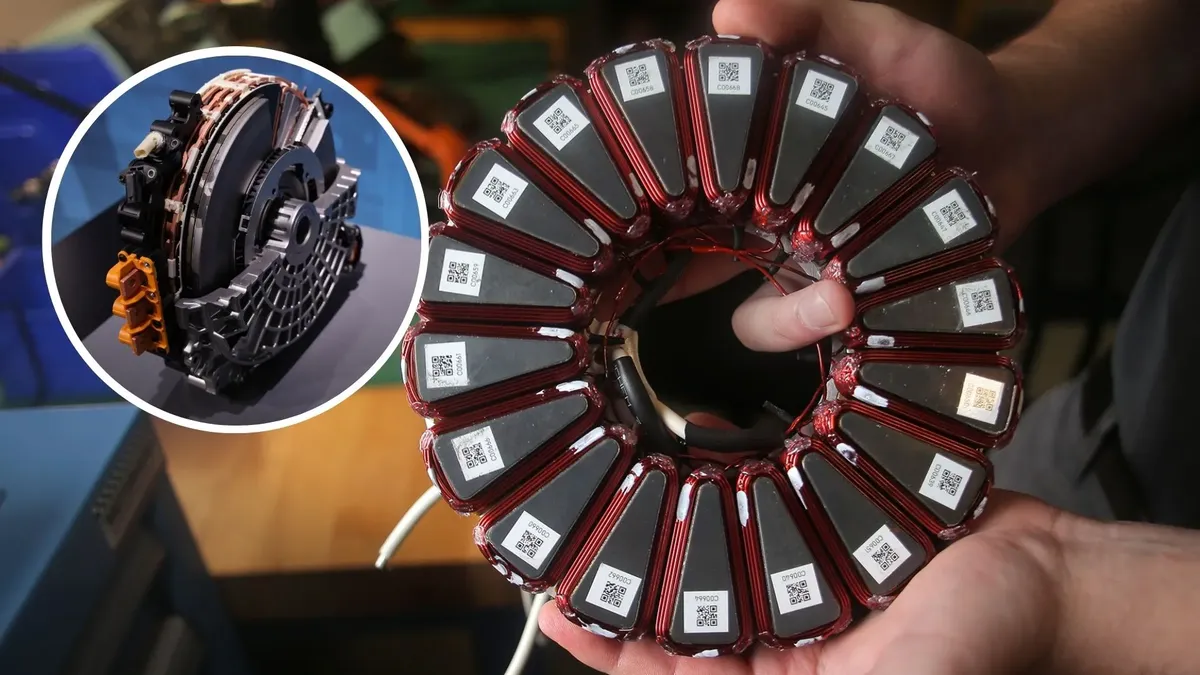
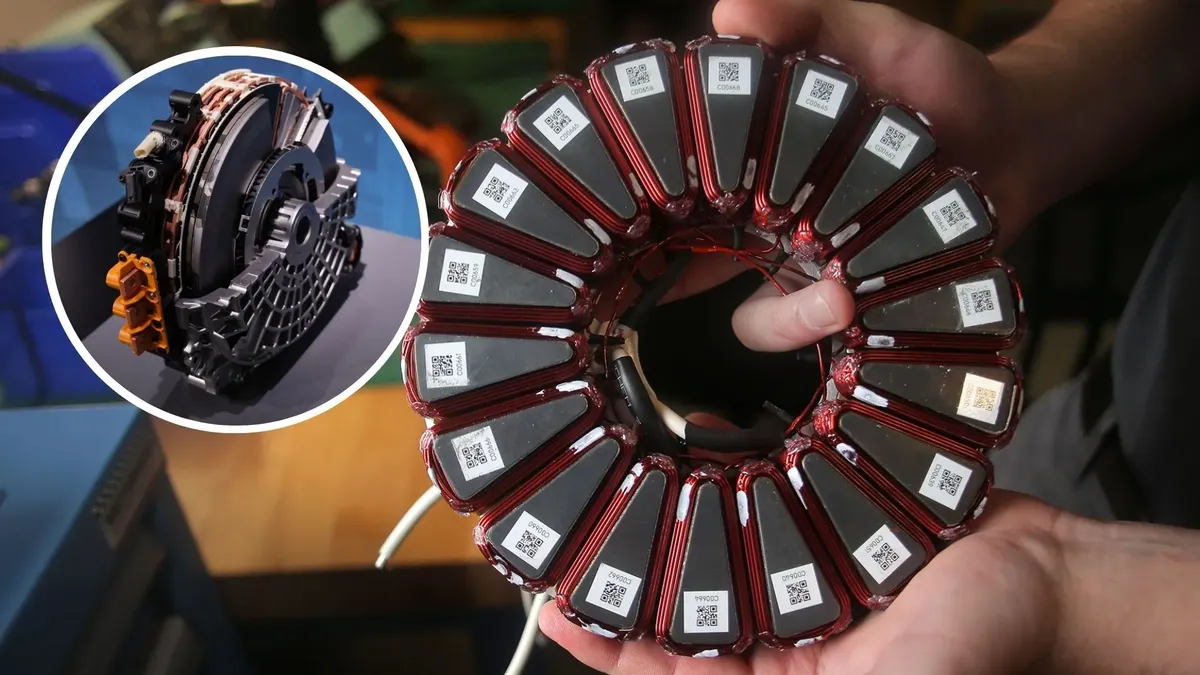
YASA's secret weapon here is its axial flux design, which is apparently a fantastic starting point for these next-gen, rare-earth-free motors. Think of it as a really solid foundation for building something sustainably powerful. Because who wants a green car built with decidedly un-green components?
Why This Matters Beyond the Motor
Right now, the supply chain for these critical rare-earth magnets is concentrated in just a few spots globally. This means car makers are essentially at the mercy of geopolitics, export restrictions, and whatever wild price swings the market decides to throw at them. Not exactly a recipe for smooth sailing when you're trying to mass-produce millions of electric vehicles.
Plus, extracting and processing these heavy rare earths? It's often carbon-intensive and just generally a messy business. So, finding alternatives isn't just about supply security; it's about making the entire EV ecosystem genuinely cleaner.
Ian Constance, Chief Executive at the Advanced Propulsion Centre UK, sums it up: this isn't just about one company. It's about the UK staking its claim as a hub for future vehicle tech, bringing together industry, government, and universities to build something lasting. Which, if you think about it, is both impressive and slightly terrifying for anyone still clinging to the internal combustion engine.