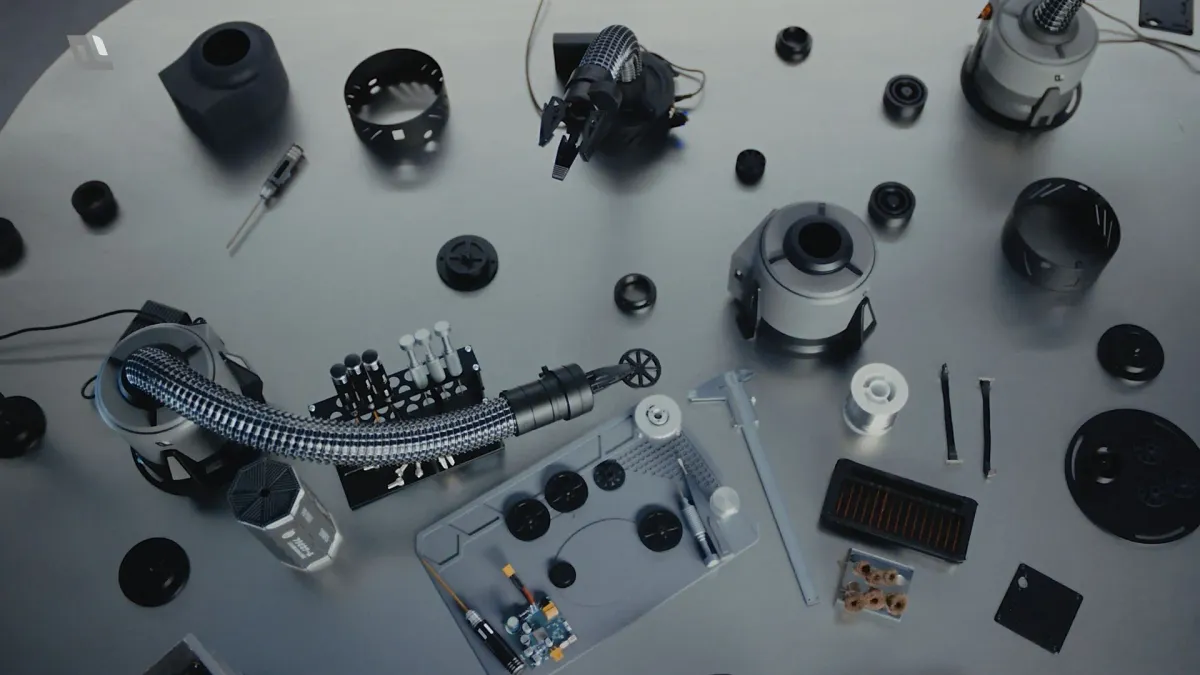
Lam Research, a name you might not know but whose work is in virtually every device you touch, is throwing down a cool $3 billion over the next five years. Their mission? To supercharge their global research and development labs and crank up semiconductor innovation across the US, Asia, and Europe.
Starting in 2026, this isn't just a little tweak. They're aiming to boost their experimental capacity by more than 50%. Translation: new chips, new materials, and new processes will go from bright idea to actual product in record time. Because apparently, the AI era decided "fast" wasn't fast enough.
The 24/7 Idea Machine
Imagine a global network of labs, currently churning out over a million experiments a year. Now imagine them all linked up, sharing data, findings, and expert brains across every time zone. It's like a never-ending relay race where the baton is a groundbreaking discovery, and it never stops moving.
We're a new kind of news feed.
Regular news is designed to drain you. We're a non-profit built to restore you. Every story we publish is scored for impact, progress, and hope.
Start Your News DetoxThis always-on system means a breakthrough in, say, California, can be instantly whisked to an engineer in Korea, pushing different stages of chip development forward simultaneously. It's the kind of synergy that makes you wonder why your own work emails can't get answered that fast.
These labs are diving into everything from exotic new chemicals to advanced robotics. Lam claims they can slash weeks of experimental work down to mere days. Then, the next set of labs takes those promising ideas and polishes them for production, all while engineers and manufacturing teams are working on the same equipment. It’s like a highly caffeinated assembly line for genius.
The Need for Speed
Lam says this global tag-team approach has already made process development up to 2.5 times faster on recent customer projects. The upcoming expansion will just pour jet fuel on that fire, helping new tech leap from early research to factory floor even quicker.
Tim Archer, Lam Research's CEO, put it bluntly: the speed of innovation in the AI era is relentless. We need new chip designs, new materials, and features so tiny they make a grain of sand look like a boulder. He notes that making R&D faster isn't just a nice-to-have; it's the competitive advantage.
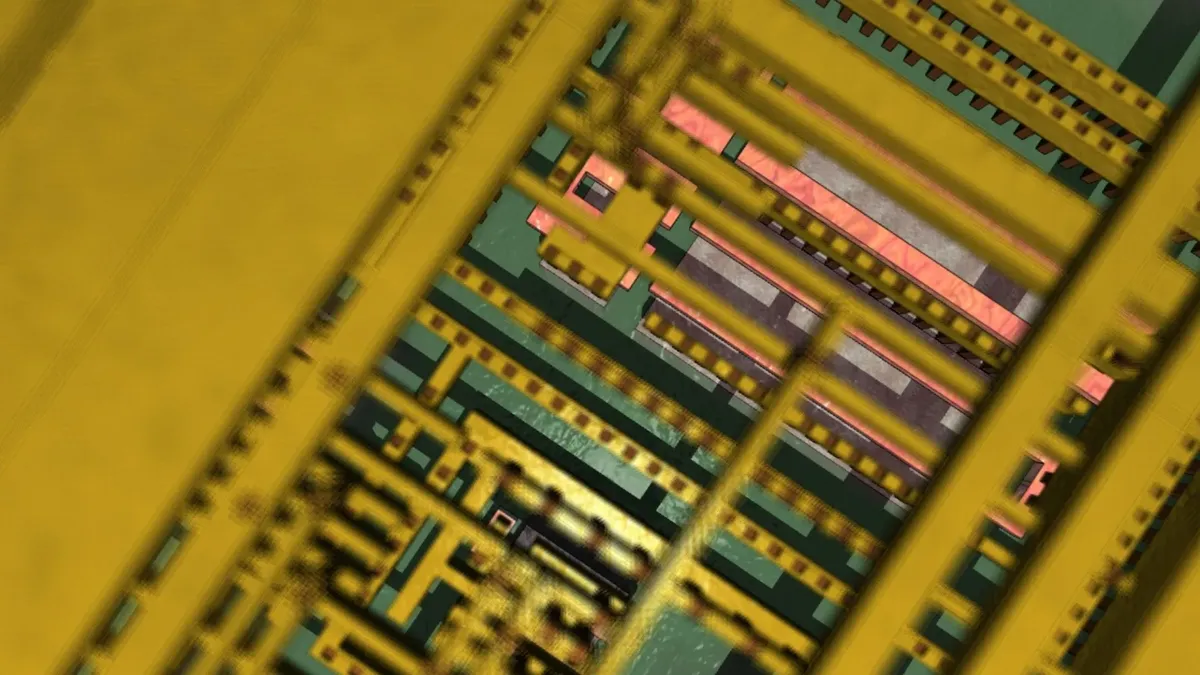
This investment isn't just about Lam. It's about feeding the insatiable beast of advanced computing, which demands better deposition, etching, and lithography processes. Those are the technical wizardry that makes chips denser, more power-efficient, and generally much smarter, smaller, and cheaper.
Even industry heavyweights like Micron Technology are cheering, seeing this expanded network as key to advancing memory, storage, and advanced packaging. Because when it comes to the future of tech, apparently, everyone agrees: we needed it yesterday.