This week, the world of science reminded us that sometimes, the biggest breakthroughs come not from inventing something entirely new, but from taking a closer look at what's already there. Whether it was peering into the human body, the Earth's crust, or even the swirling plasma of our own sun, researchers found hidden complexities and surprising opportunities waiting just beneath the surface.
The Body's Hidden Maps
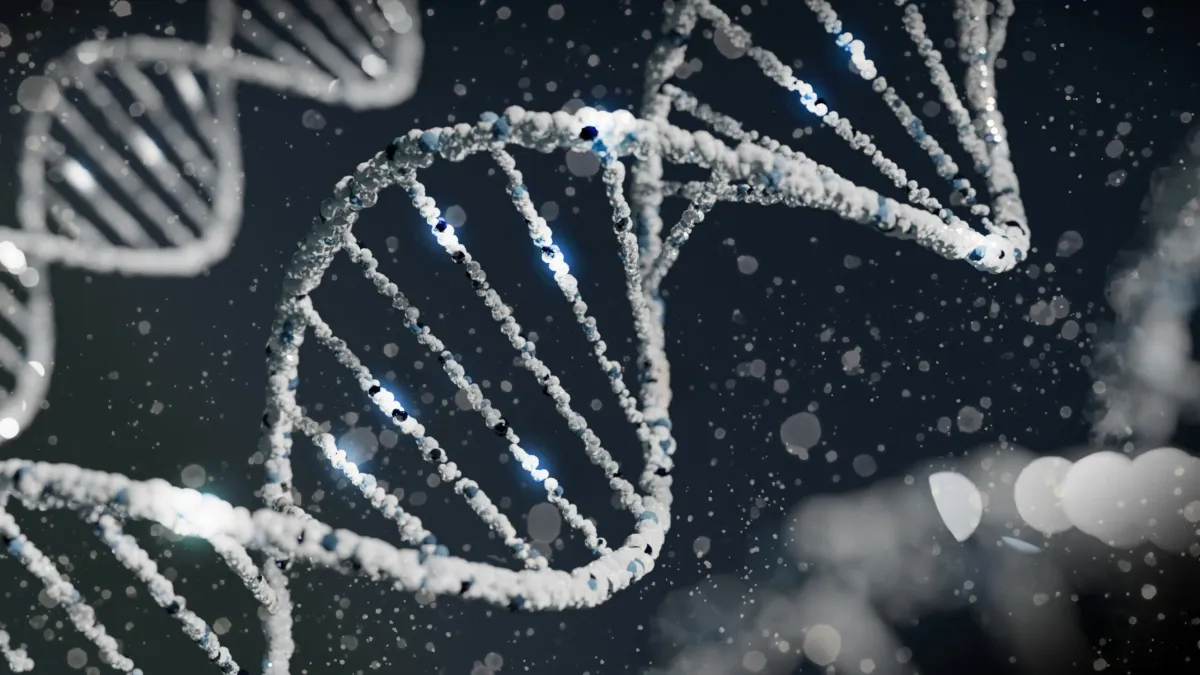
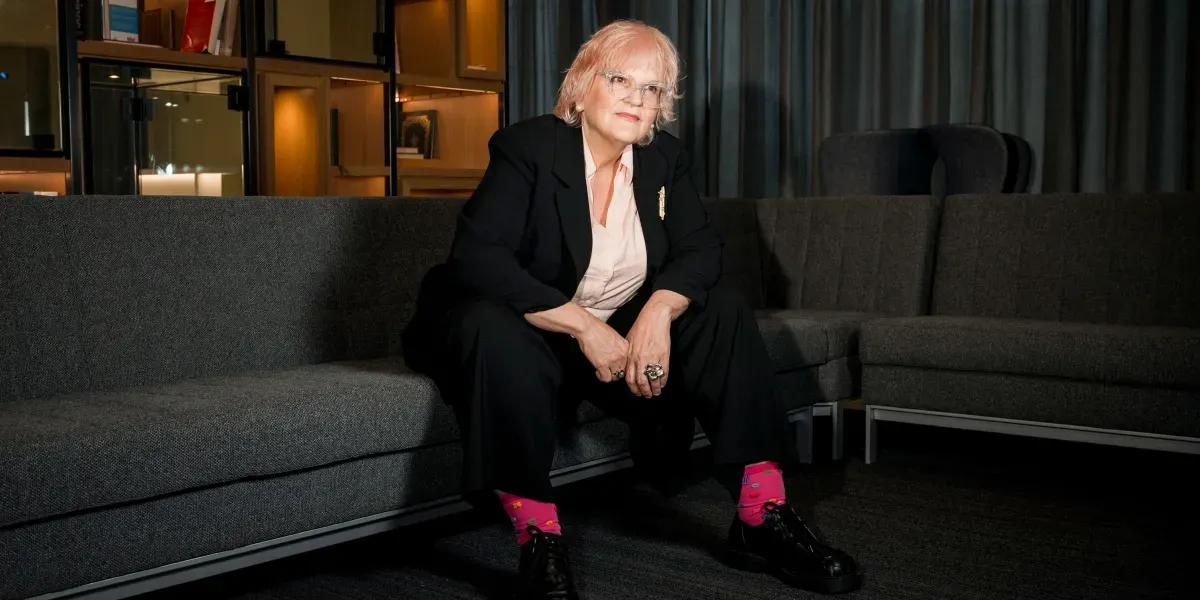
It turns out, we've been operating with an incomplete atlas. Deanne Taylor, a scientist at the University of Pennsylvania, realized that while researchers were mapping every cell in the human body, a crucial demographic was being overlooked: children. Her work is now helping to build a missing map of childhood, acknowledging that kids aren't just scaled-down adults, and their cellular makeup demands its own dedicated study. This kind of granular attention to detail is paying off in other areas too. A massive million-person hunt just found a gene that significantly slashes the risk of diabetes and heart disease, revealing that beneficial rare genes can be unearthed by looking at populations at scale. And in a more targeted approach, new research suggests that popular GLP-1 weight-loss drugs might also slash breast cancer risk, adding another layer of health benefits to an already impactful medication. If you've ever felt like medical science was a one-size-fits-all endeavor, this week demonstrated a powerful shift towards understanding the intricate, individual nuances that truly matter.
"Burn fat, build muscle.” It’s a familiar workout slogan, but the benefits go far beyond aesthetics. Having less belly fat and more muscle guards against heart attacks. — Read the full story
Wait—What is Brightcast?We're a new kind of news feed.
Regular news is designed to drain you. We're a non-profit built to restore you. Every story we publish is scored for impact, progress, and hope.
Start Your News Detox
Unearthing Value in the Unexpected
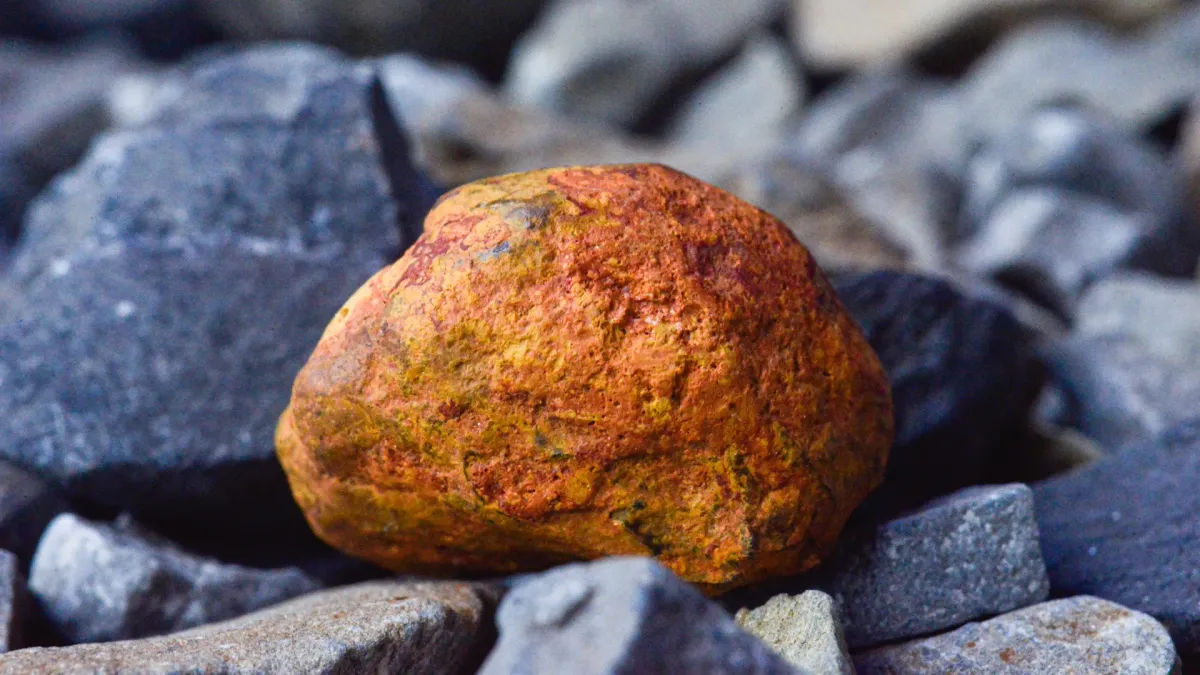
Who knew that something commonly dismissed as "fool's gold" could be, well, actual gold? Researchers at the University of Minnesota Twin Cities made a genuinely surprising breakthrough, showing that low-purity iron ore can be converted into semiconductor-quality pyrite. This isn't just a clever parlor trick; it could open up a much cheaper route to materials for solar panels, batteries, and other electronics. It’s a powerful reminder that sometimes, the solutions we need are hiding in plain sight, waiting for someone to look at them differently. Meanwhile, the very ground beneath our feet is proving to be a historical vault. Scientists analyzing cave walls just spilled 67,000-year-old DNA secrets, providing unprecedented insights into ancient art and the people who created it. This week showed that if you’re willing to dig a little deeper, you might just find treasure where everyone else saw dirt.
Rewriting the Rules of the Known Universe
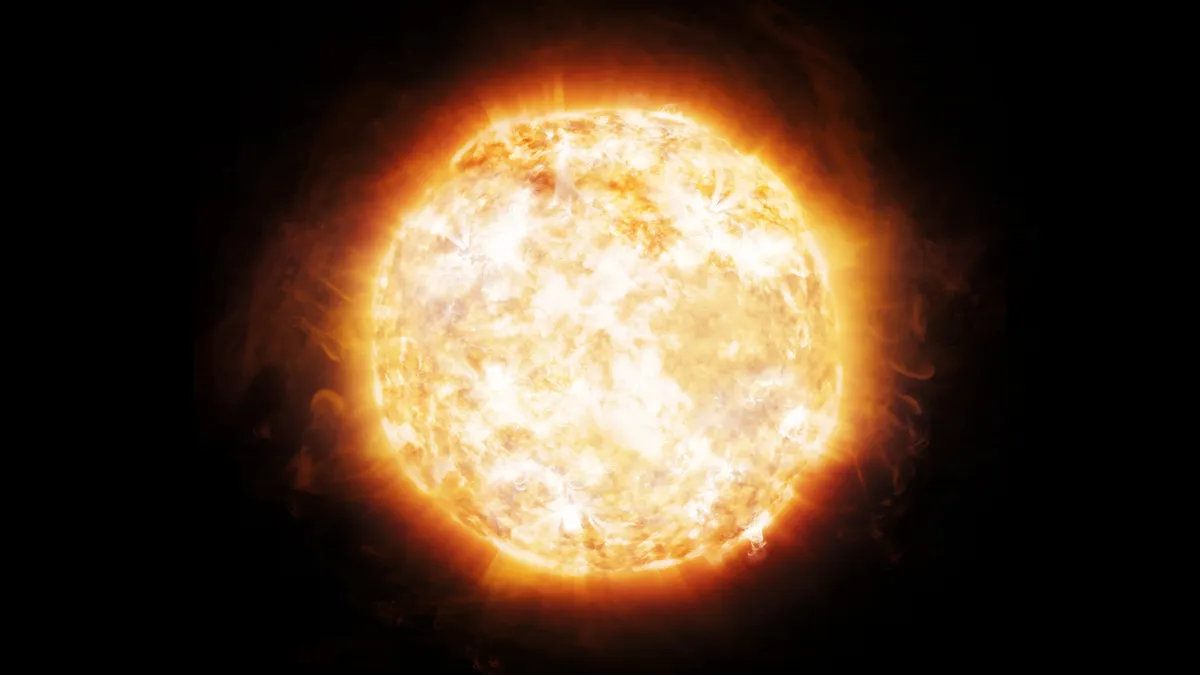
Just when we thought we had a handle on things, the universe decided to throw a few curveballs. For decades, night vision meant grainy green images. Now, thanks to a system combining quantum dots and an OLED display, night vision just got a technicolor upgrade, translating infrared light into a full spectrum of visible colors. It’s a fundamental shift in how we perceive darkness. Even our own sun, the most familiar star in our sky, proved to be more dynamic than previously understood. It turns out, the sun's surface is a plasma blender, with previously unseen whirlpools that might be the engine behind space weather. And speaking of celestial bodies, it seems Saturn has 293 moons, officially dethroning Jupiter as the solar system's moon king. This continuous unveiling of new facts, even about things we thought we knew intimately, proves that the universe still has plenty of surprises up its sleeve. If you ever feel like everything's been discovered, remember that even the sun and our closest planetary neighbors are still full of mysteries waiting to be revealed.
Hope stat: 293 — the number of moons now orbiting Saturn, reminding us there's always more to discover, even in our own cosmic backyard.
Watch this space: The Rockefeller Foundation is investing in regenerative school meal programs to connect 100 million children globally, a story that could transform agriculture and community health on a massive scale.