For art historians, provenance is everything. It's the ownership history that tells you who had a painting, where it went, and if it's actually worth millions or just a fancy forgery. But when you're talking about art that's tens of thousands of years old, that history tends to get a little… hazy. Like, prehistoric hazy.
Archaeologists have forever stared at ancient cave paintings — the bison in Altamira, the ghostly handprints on damp limestone — and wondered: who exactly made this? Now, a new study suggests the answer might be literally written on the walls, just not in pigment. We're talking DNA.
The Walls Have Genes
Researchers in Spain and Portugal just pulled off a scientific coup, finding ancient human DNA directly on cave walls. This isn't just a cool party trick; it's a completely new way to figure out who was hanging out in these ancient art galleries, where some of humanity's earliest masterpieces still reside.
We're a new kind of news feed.
Regular news is designed to drain you. We're a non-profit built to restore you. Every story we publish is scored for impact, progress, and hope.
Start Your News DetoxNow, before you picture CSI: Pleistocene, they're not claiming they can identify individual artists. That's a bridge too far, even for cutting-edge genetics. But they can show which groups of people used the caves, and roughly when. Which, if you think about it, is a pretty big deal, especially for one of art history's oldest debates: Did Neanderthals or modern humans create some of Europe's most ancient cave art?
Scientists are already pretty good at figuring out what prehistoric artists used (red ochre, charcoal) and when they used it. Dating techniques have pushed the timeline of cave art way, way back — like, a hand stencil in Indonesia is at least 67,800 years old. Let that satisfying number sink in. But the who has always been the missing piece.
An Ancestral Fingerprint
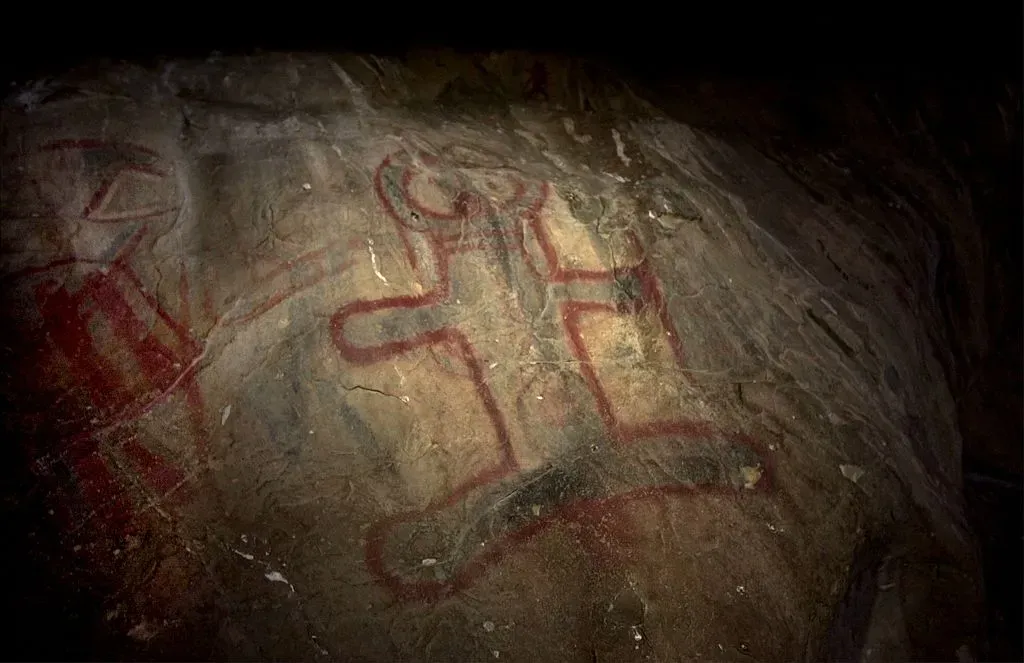
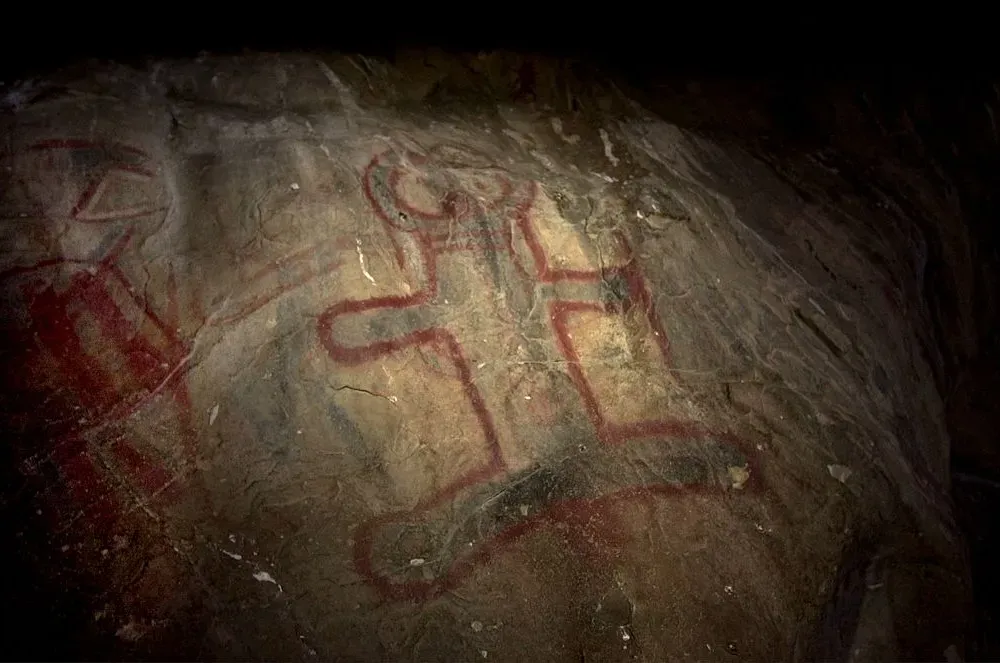
The new study went for a different angle. They collected samples from both painted and unpainted cave walls across 11 sites in Spain and Portugal. And bam: ancient human DNA, preserved right there in the rock. Turns out, cave walls are surprisingly good at being genetic time capsules.
One standout example came from Covarón Cave in northern Spain, where they found DNA from ancient western hunter-gatherers. Then, at Escoural Cave in Portugal, a painted surface also yielded ancient DNA. It wasn't perfectly preserved, but it was enough to prove the concept: the walls hold secrets.
Of course, DNA is a bit of a traveler. You leave it everywhere just by breathing. Rainwater and later visitors can move it around. So, finding DNA on a wall shows someone was present, but it doesn't definitively prove they were the one wielding the charcoal thousands of years ago. Even with these caveats, archaeologists are understandably thrilled.
This technique could be particularly juicy for places like Spain's Maltravieso Cave, home to hand stencils some researchers believe predate the arrival of modern humans in Europe. That would mean Neanderthals were the artists. Finding ancient DNA from that same period in the cave could be a huge piece of the puzzle. Researchers warn it'll still be incredibly difficult to make a definitive connection, but hey, at least now they have a shot.
The study might not have named the very first artists, but it confirms that cave walls preserve far more than just images. They might just hold the genetic echoes of the people who created them. For archaeologists, it's a brand new source of evidence. For art historians, it’s the first real step toward solving humanity's oldest provenance mystery. Now, if only we could get them to tell us if they liked their art critics. Probably not.