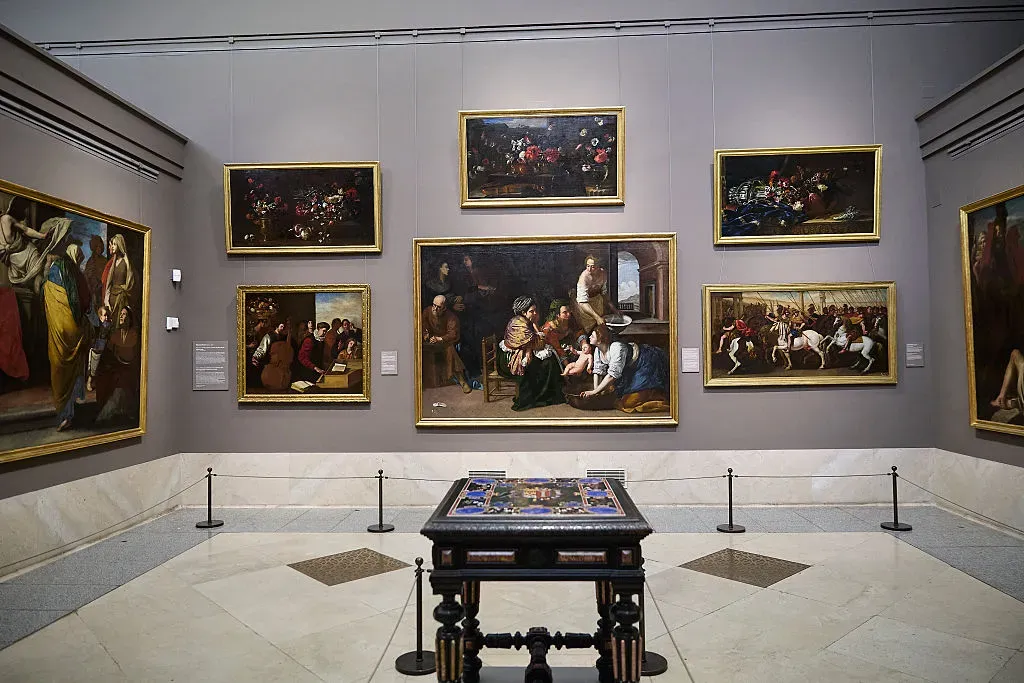
London's art scene just got a little less crowded. The Sid Motion Gallery, a dealership that's been supporting emerging artists since 2016, is closing its doors this fall. But don't grab the tiny violins just yet; founder Sid Motion says it's a "positive choice," opting to bow out while the gallery's programs and finances are still strong. Apparently, she'd rather close on her own terms than compromise her support for artists. Which, if you think about it, is a very polite way to say, "We're getting out before things get truly wild."
This move, however, quietly underscores the pressures on London's commercial art world: a slower market, rising costs, and collectors who apparently have new habits. Smaller galleries are feeling the squeeze most, though Motion insists the city's art scene is still lively. It's just the traditional gallery model that's starting to look a bit like a flip phone in a smartphone world. Their last show, "That Which Appears," opens September 18th. So, if you're in London, go see what appears before it disappears.
Ancient Artists Left Their Mark — Literally
Meanwhile, in Spain and Portugal, scientists have found ancient human DNA directly on cave walls. Yes, you read that right: DNA, on the art itself. This isn't just a cool party trick; it's a brand new way to study the people who created prehistoric rock art. They found traces on both painted and unpainted surfaces at eleven different sites, some linked to ancient Western hunter-gatherers.
We're a new kind of news feed.
Regular news is designed to drain you. We're a non-profit built to restore you. Every story we publish is scored for impact, progress, and hope.
Start Your News DetoxWhile this technique probably won't tell us if Brenda was the one who painted that particular bison, it could tell us which human species and groups used specific caves. Even better? It might finally help decide if Neanderthals were the masterm artists behind some of Europe's earliest art. Because apparently, the debate over who exactly drew the first stick figures is still very much alive.
Around the Cultural World
In Manila, Carlos Quijon Jr. is the new chief curator for the contemporary art museum at the Cultural Center of the Philippines, set to reopen next year after a 2021 renovation. London's V&A museum staff won two paid breaks after threatening to strike, though larger disagreements about pay and working conditions are still simmering. Because even museum workers need a moment to scroll TikTok.
And in Madrid, the Prado Museum has just launched an AI-powered experience. It uses digital art to show how an eclipse might change some of its famous paintings. Because apparently that's where we are now: letting robots mess with masterpieces for the sake of science (and presumably, Instagram).
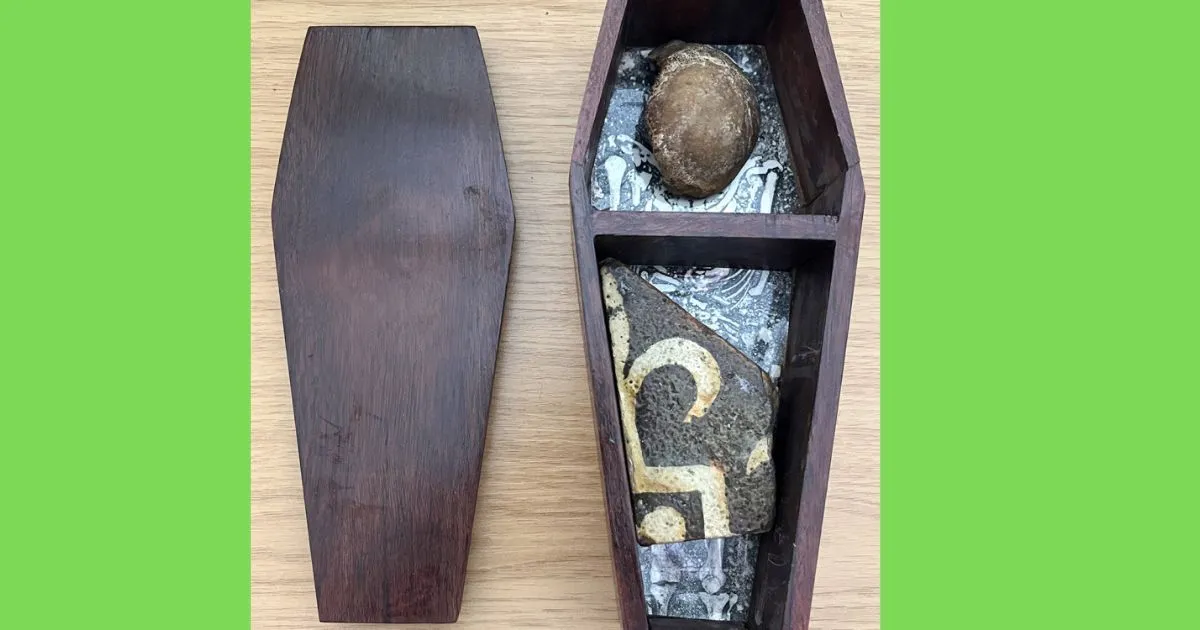
Finally, back in Lima, archaeologists have unearthed the remains of a colonial-era hospital and church, complete with walls, floors, human burials, and 18th-century tiles. Because nothing says "history" quite like digging up old hospitals and churches.
The Bayeux Tapestry: A Diplomatic Loan?
Speaking of old things, Michael Vatikiotis, an adviser at the Center for Humanitarian Dialogue, thinks the Bayeux Tapestry's loan could be a blueprint for the Parthenon Marbles. He argues in the FT that cultural diplomacy isn't just about good vibes; it can actually improve international relationships and bring in museum money. Because who doesn't love a good cultural exchange that also boosts the economy?
He suggests a similar temporary agreement for the Parthenon Marbles between the UK and Greece could boost British influence and improve ties with Europe. The key? A special parliamentary rule allowing a temporary loan that builds trust without setting a wider precedent for emptying out museum collections. This partnership could include reciprocal loans, museum renovations, digital tech, and exhibitions, creating a "Cosmopolitan Commonwealth" of shared Greek heritage. So, everyone gets to look at the pretty things, and no one has to fight over ownership. A true win-win.