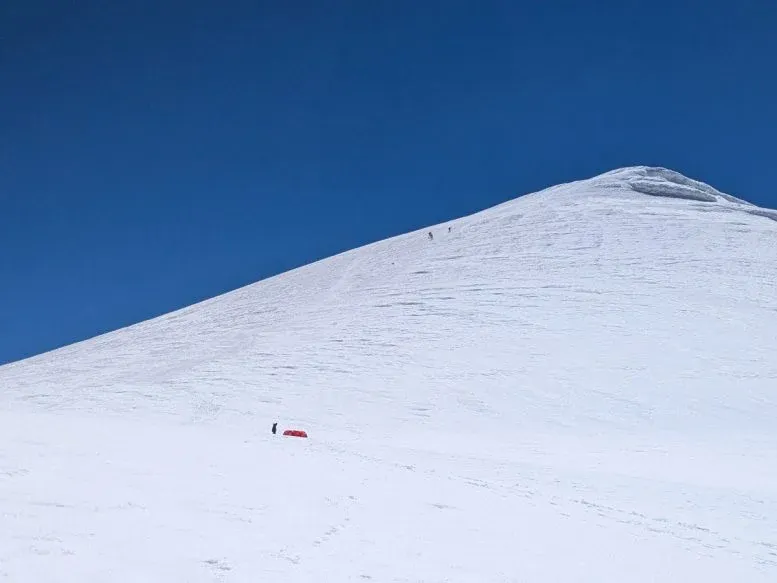
A German and Turkish research team recently completed the first survey of Mount Ararat's glacier. This glacier is located in eastern Turkey. The team hopes the ice holds clues about past climate and human activity.
The research took place in July, more than 5,000 meters above sea level. Conditions were harsh, with intense cold, strong winds, and low oxygen.
Uncovering a Disappearing Record
The team spent two weeks examining the ice field. They wanted to see if the ice on Turkey's highest mountain could provide a unique record of the past. This record is quickly disappearing due to global warming. Each summer, valuable evidence could be lost forever.
We're a new kind of news feed.
Regular news is designed to drain you. We're a non-profit built to restore you. Every story we publish is scored for impact, progress, and hope.
Start Your News DetoxThe project brought together archaeologists and glaciologists. They aimed to study this threatened archive before more of it vanishes.
Planning for Ice Core Drilling
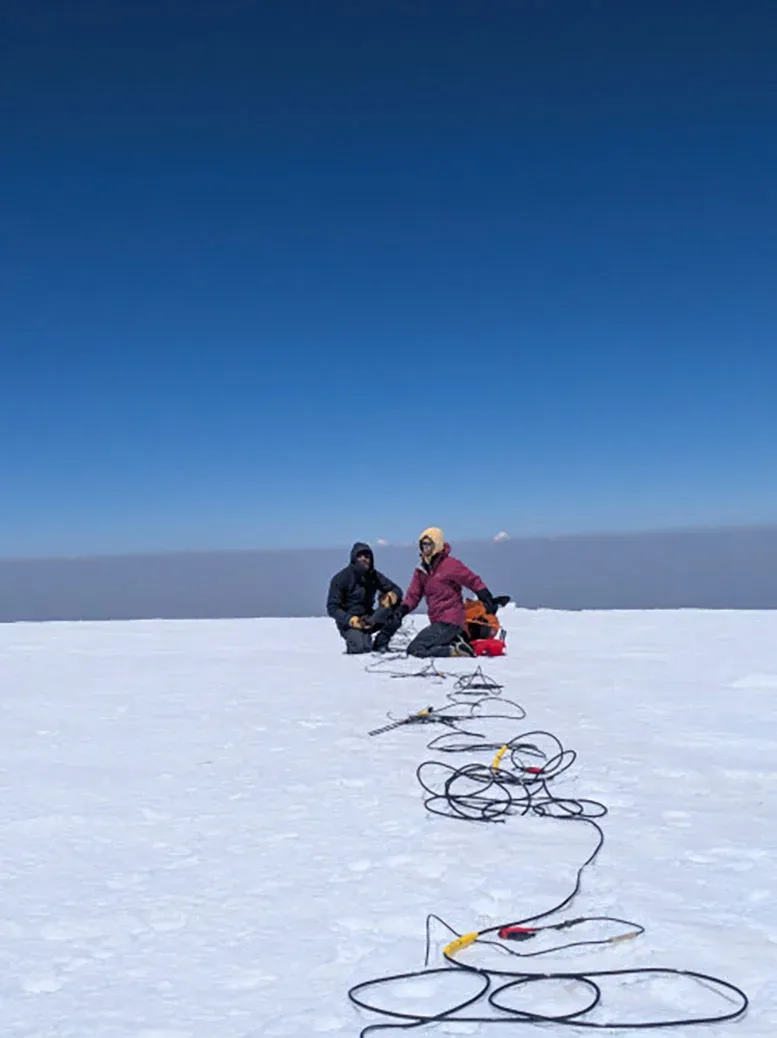
Researchers used ground-based radio echo sounding and seismic techniques to map the ice cap. These methods helped them find out how thick the glacier is and what the ground beneath it looks like.
Dr. Coen Hofstede from the Alfred Wegener Institute led the measurements. He noted that despite the difficult conditions, they gathered all the necessary data. This data will help them decide where to drill for the longest continuous ice core.
The team plans to extract ice cores during their next trip. If successful, it would be the first ice core ever recovered from Mount Ararat.
A Chronicle of Regional History
Professor Dr. Achim Lichtenberger, the project leader from the University of Münster, explained the importance of this work for archaeology. He said that while archaeologists usually rely on what's found in the ground, the ice could offer a continuous story of human activity, layer by layer, over thousands of years.
Glaciologists also hope the ice layers will contain important information. This includes records of ancient air, dust, and past volcanic eruptions.
These clues could show how climate periods, like the Roman Climate Optimum and the Late Antique Little Ice Age, affected this region.
Mount Ararat's location is key. It sits where several major early civilizations met. Most similar research in the Mediterranean has focused on glaciers in the Alps, leaving the Middle East largely unstudied.
Professor Dr. Ünsal Yalçın of Isparta University in Turkey highlighted the region's historical significance. He noted that agriculture began here, and early mining and metalworking centers developed. If they are lucky, the ice might contain tiny metal particles from ancient furnaces or traces of early farming. Mount Ararat could then become an archive for Anatolia, Mesopotamia, and the Caucasus.
The Gerda Henkel Foundation is funding this German-Turkish project.