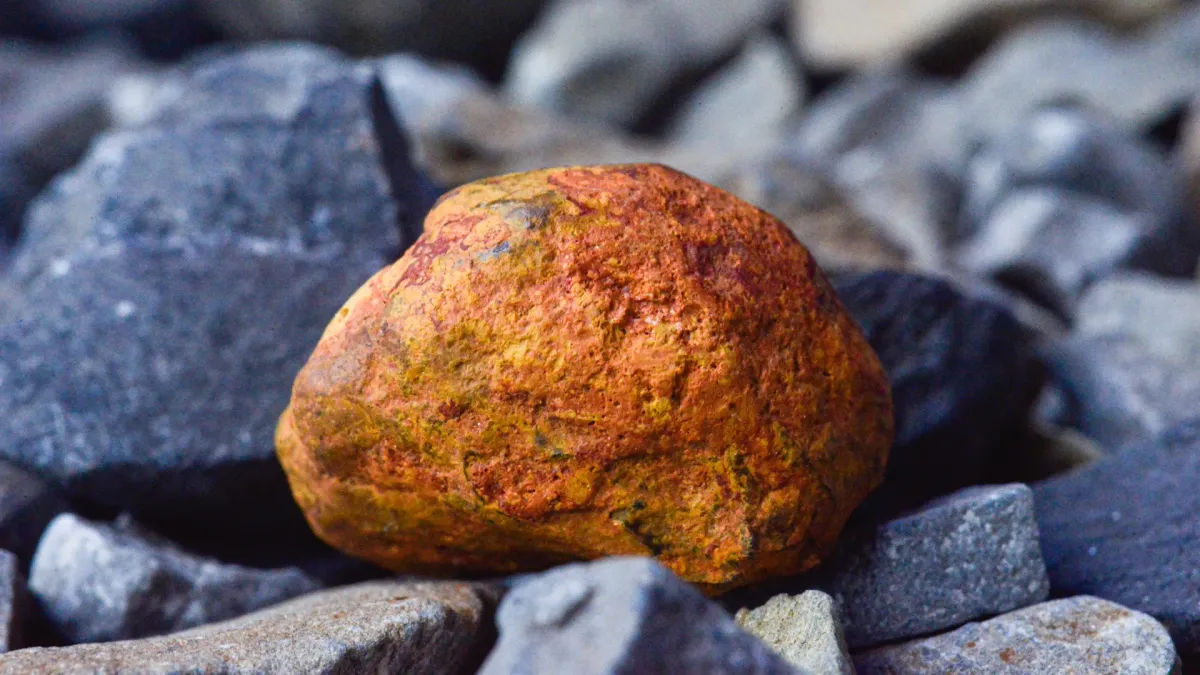
Imagine trying to build a high-tech gadget, but instead of using pristine, lab-grade ingredients, you grab some dirt from your backyard. Sounds like a recipe for disaster, right? Well, a team at the University of Minnesota Twin Cities just pulled off the scientific equivalent, turning humble, low-purity iron ore into semiconductor material.
And not just any semiconductor material: pyrite. You might know it better as "fool's gold." Because apparently that's where we are now: making cutting-edge tech from the stuff that once tricked prospectors.
The Dirt on Dirty Ore
Pyrite is actually a pretty neat semiconductor. It's great at absorbing light, made from common elements, and won't poison you or break the bank. The catch? Usually, you need ultra-pure starting materials to make it work, because impurities are like kryptonite to semiconductors.
We're a new kind of news feed.
Regular news is designed to drain you. We're a non-profit built to restore you. Every story we publish is scored for impact, progress, and hope.
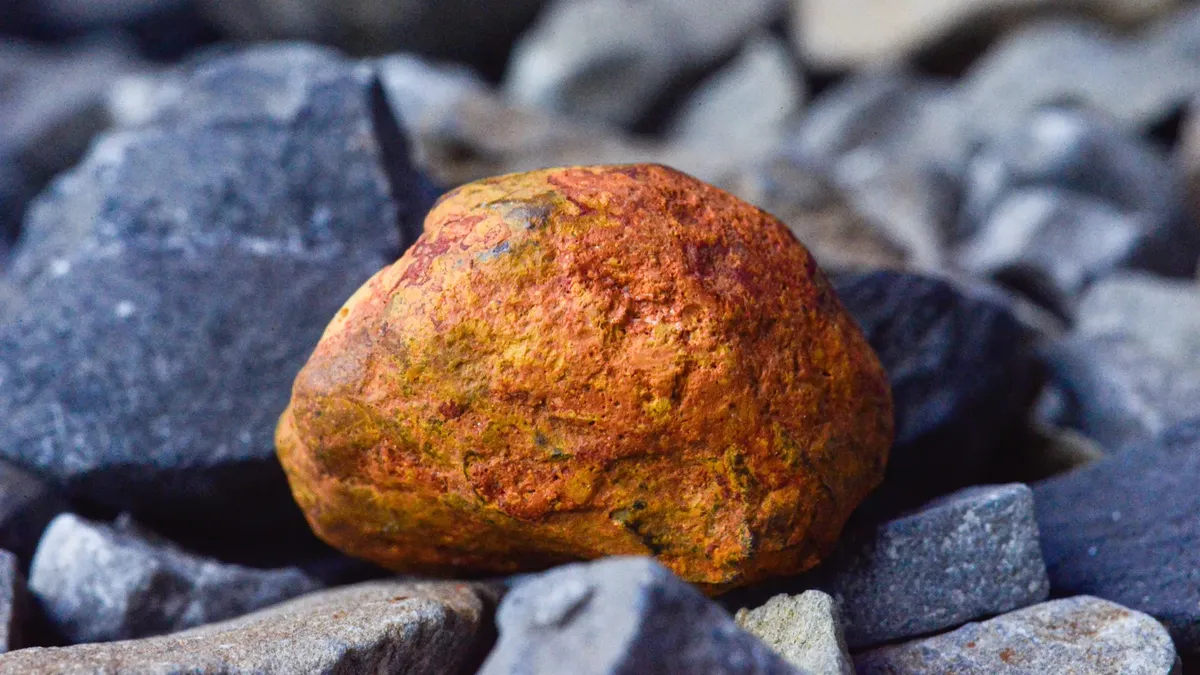
Start Your News DetoxBut the Minnesota crew decided to challenge that notion. They took iron ore straight from the state's Iron Range – the same stuff that makes up 75% of U.S. iron ore production, bringing in over $4 billion annually – and converted it directly into semiconductor-quality pyrite. No fancy purification steps needed. Just... poof.
This was a shocker. Semiconductors are notoriously finicky about purity. Yet, pyrite just shrugged off the dirt, proving "surprisingly immune to impurities," as lead author Chris Leighton put it. This discovery basically upends a long-held belief in material science: that highly pure materials are always essential.
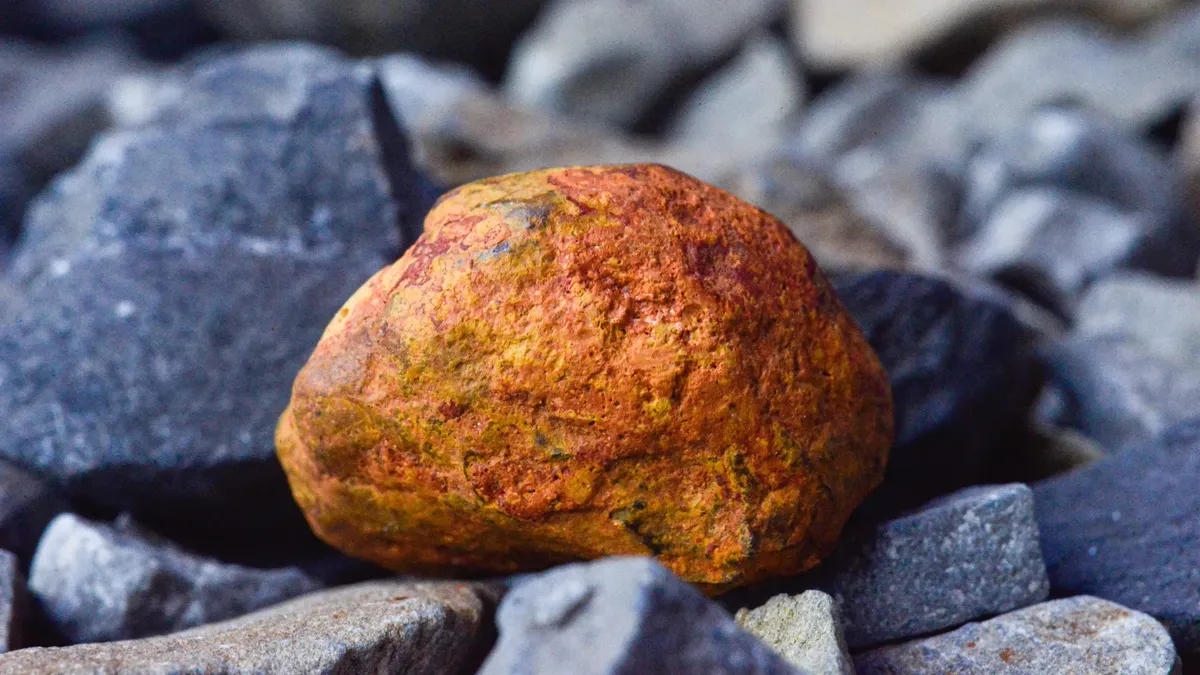
Their best performer? Direct Reduced Grade Taconite, a common type of ore found in Minnesota. It turns out, those low-purity ores can be processed directly, which could slash production costs faster than you can say "fool's gold rush."
Fool's Gold, Future Tech
This isn't just a win for Minnesota's mining industry, which now has another potential use for its massive iron resources. It's a win for solar panels, batteries, and electronics. Imagine cheaper, more sustainable components for all those gadgets we can't live without.
The team even sees potential in water purification, though they're still in the early stages of testing this material in actual devices. Next up, they'll be exploring more types of Iron Range ore and trying to make thin films of pyrite, which are far more practical for energy and electronic devices than bulky crystals.
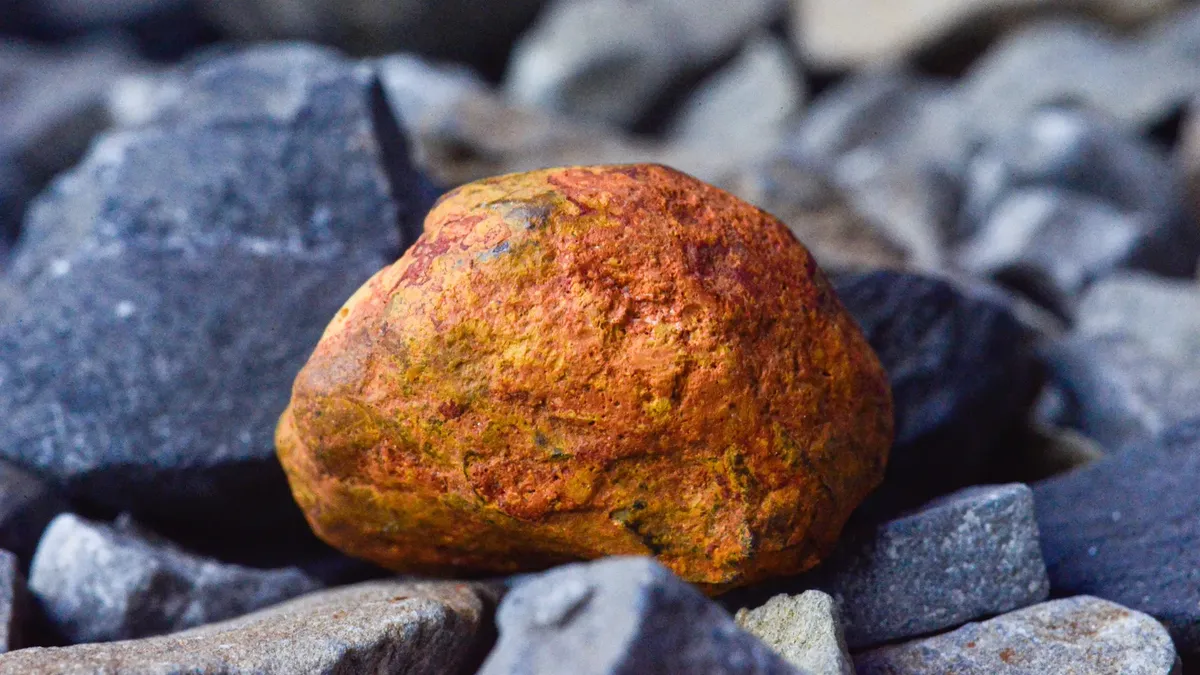
So, the next time you hear about "fool's gold," just remember: it might not be gold, but it could very well be the foundation of our next generation of tech. Who's the fool now?