The Deep Orange 17, an experimental solar car prototype, was recently unveiled. It was built by college students and sponsored by BMW.
Despite its unusual appearance, the car claims to generate more power than it uses.
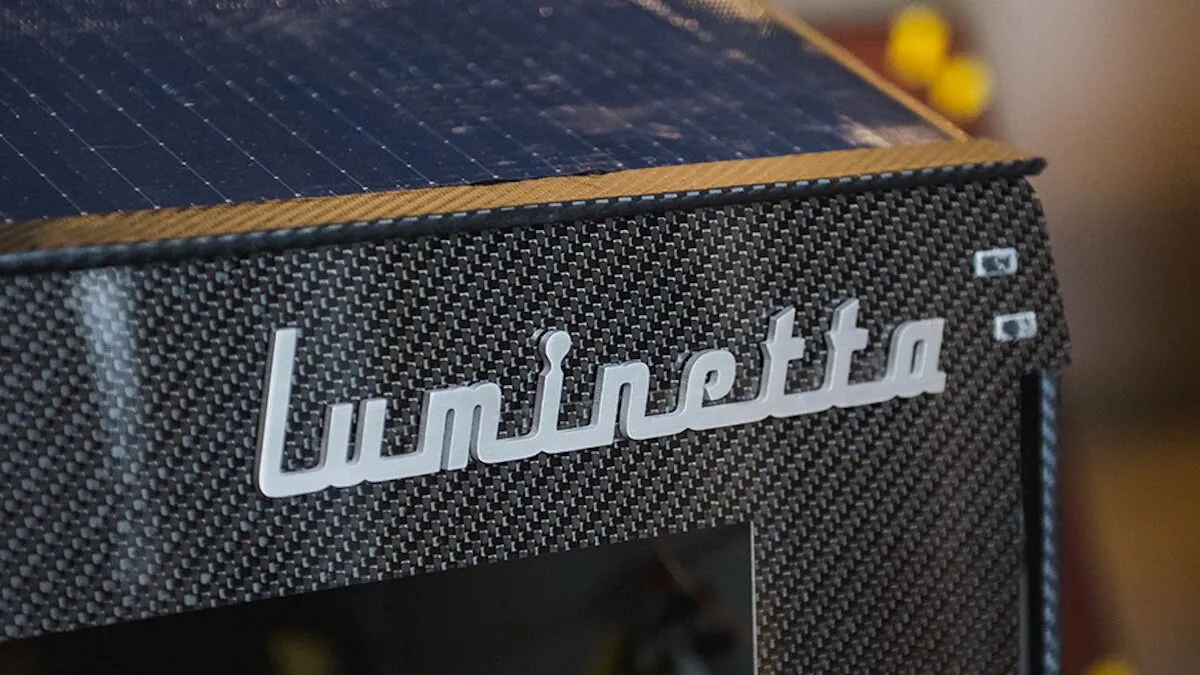
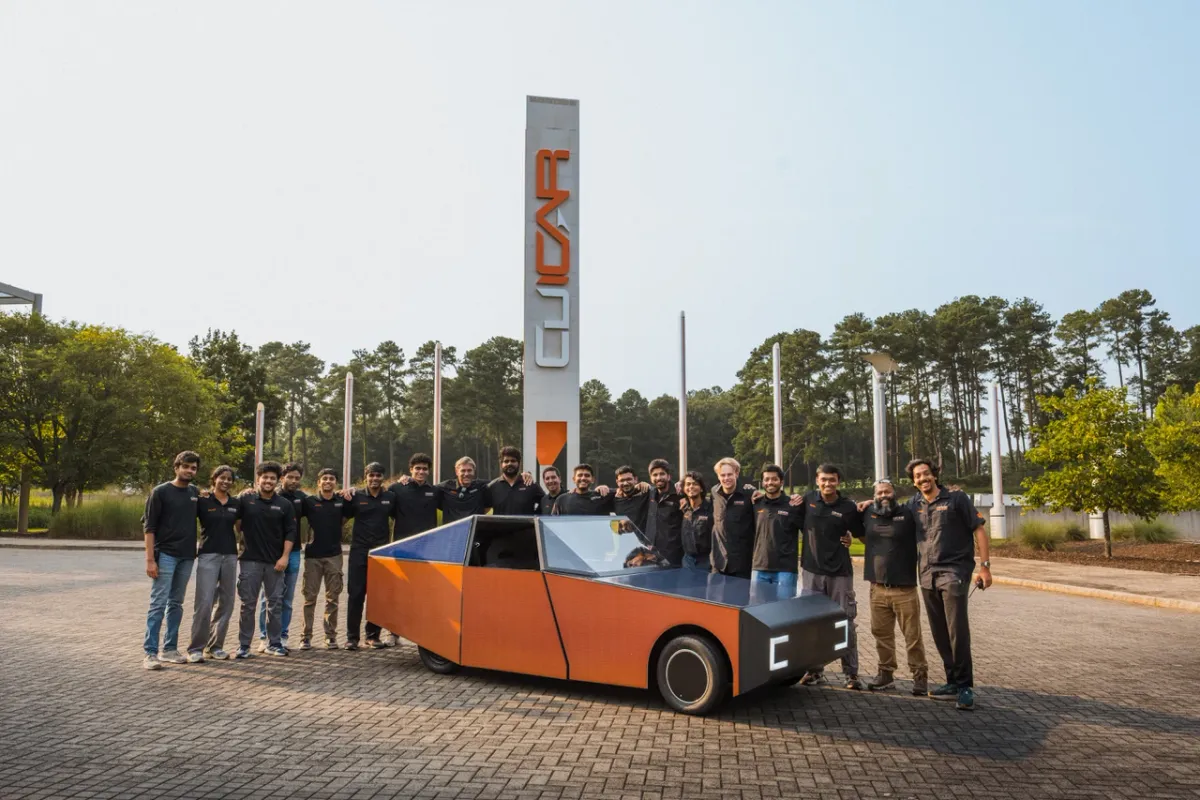
Clemson University's Luminetta
Graduate students at Clemson University's International Center for Automotive Research developed the vehicle, named 'Luminetta.' It uses common solar vehicle strategies. These include a very light build, refined aerodynamics, and many solar cells on its body.
We're a new kind of news feed.
Regular news is designed to drain you. We're a non-profit built to restore you. Every story we publish is scored for impact, progress, and hope.
Start Your News DetoxThe car's creators say its box-like design mimics a boxfish. This fish has a unique way of being streamlined in water. They claim this flat-sided style reduces drag while maximizing the surface area for a high-efficiency solar skin.
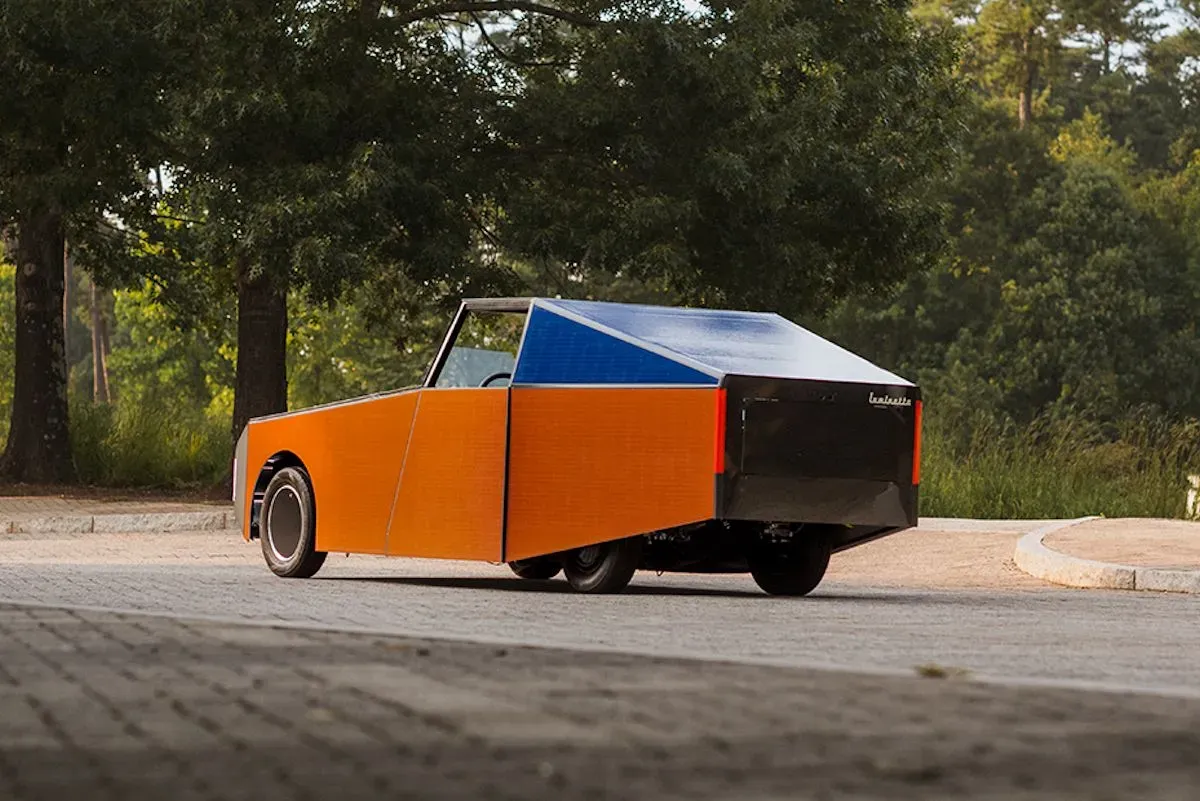
The car weighs only 1,212 pounds (550 kg). This is thanks to a skeletal chassis made of 3D-printed metal joints and light composite body panels. This weight is similar to a specialized track car.
The Luminetta's "net-positive" energy claim comes from its solar integration. This was engineered with Germany’s Fraunhofer Institute for Solar Energy Systems. The car is covered in an advanced, shade-tolerant photovoltaic skin instead of rigid panels.
Energy Harvesting Potential
Clemson’s simulations suggest a typical 12-mile (20-km) daily commute uses about 1.6 kWh of energy. However, if parked in optimal sunlight, the car's solar array can collect up to 5.7 kWh of energy per day.
This means the driver could get an extra 31 miles (50 km) of range just from the car sitting in the sun. It essentially turns the vehicle into a mobile power plant.
This energy calculation relies heavily on ideal weather and open-air parking. The car's minimalist structure also suggests it wouldn't pass modern crash tests or meet comfort standards.
However, the Luminetta is not meant to be a production car or a beauty queen. It is a radical proof of concept. It shows what happens when pure physics guides vehicle design, without marketing or safety compromises.
Stephan Augustin, Project Manager of Research and New Technologies at BMW, noted the project's success. He said it was rewarding to see students overcome challenges to create an energy-positive vehicle. If this solar harvesting technology is used in future BMWs, the Deep Orange 17 will have achieved its goal.
Deep Dive & References: Clemson University unveils Deep Orange 17, a solar-integrated, energy-positive electric vehicle - Clemson University News